LocknLock Vegetable Slicer Review: The Quiet Pull-Chopper That Makes Everyday Meal Prep Easier
This LocknLock Vegetable Slicer review looks at whether this quiet manual chopper can make everyday meal prep easier without the noise, cords, and cleanup of an electric food processor.
I’m K-papa, a Korea-based creator who introduces useful Korean products to international readers. For this review, I compared LocknLock’s official product information with feedback from four Korean owners, including a comparison of the 650 mL and 900 mL models.
Chopping half an onion shouldn’t require hauling out a bulky appliance, wrestling with a power cord, and washing five separate parts afterward.
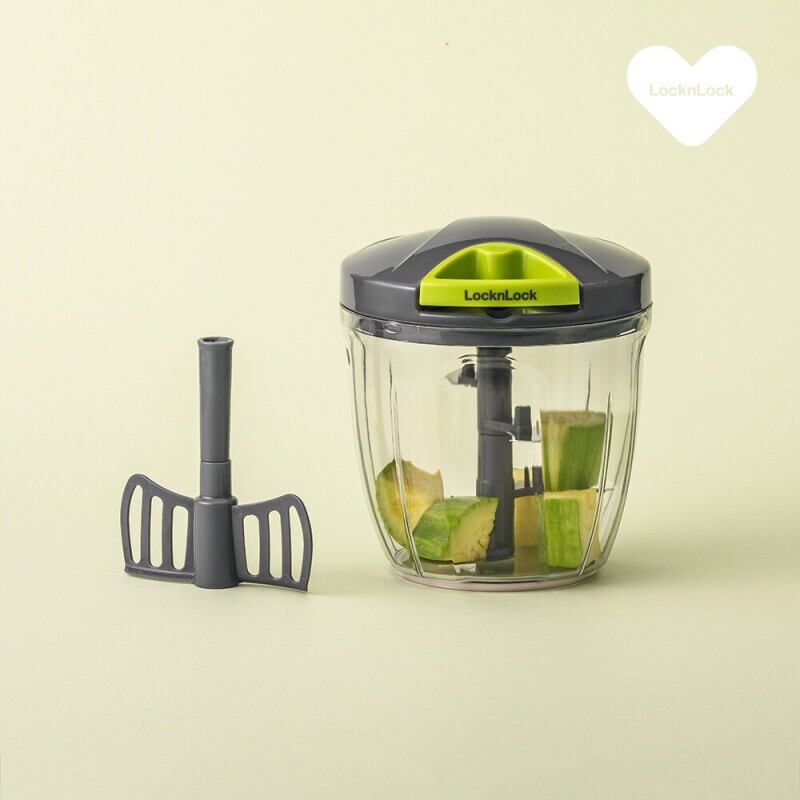
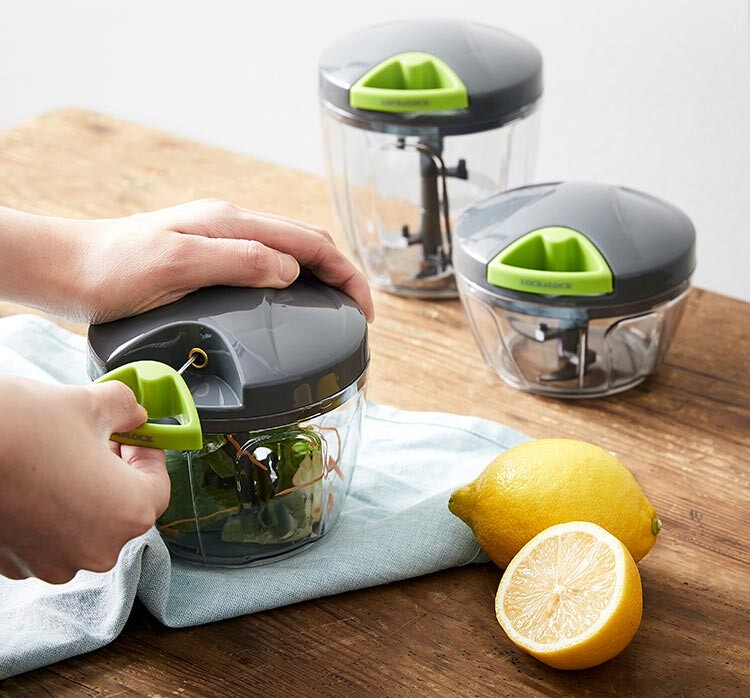
That small-job frustration is exactly where the LocknLock Vegetable Slicer makes sense. Despite its English name, this Korean kitchen tool is better described as a manual pull-cord chopper. Place roughly cut ingredients inside, close the lid, and pull the handle to spin the stainless-steel blades.
It won’t create neat cucumber slices or replace a mandoline. What it can do is quickly chop vegetables for fried rice, omelets, meat patties, baby food, sauces, and other everyday recipes.
LocknLock Vegetable Slicer Review: The Name Is a Little Misleading
English-speaking shoppers may expect a tool that cuts vegetables into slices. This product does something different: its rotating blades chop ingredients into progressively smaller pieces.
That distinction matters. You cannot select a thickness or produce uniform cucumber rounds. Instead, the result becomes finer as you pull the handle more times.
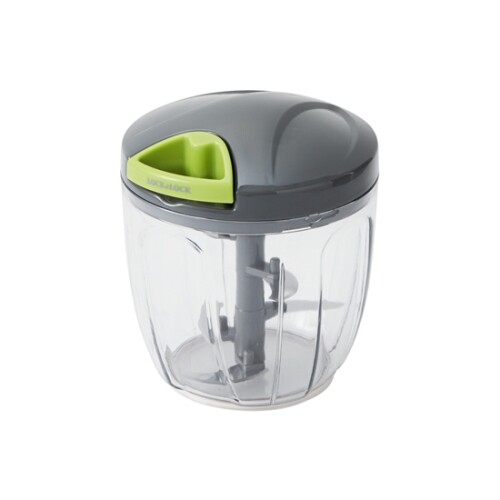
According to LocknLock’s official product information, the current gray 900 mL model uses a pull mechanism and a removable three-level stainless-steel blade assembly. The transparent bowl lets you monitor the texture without repeatedly opening the lid.
Official materials listed for the product include:
- ABS for the main body
- Stainless steel for the blades
- PS for the transparent bowl
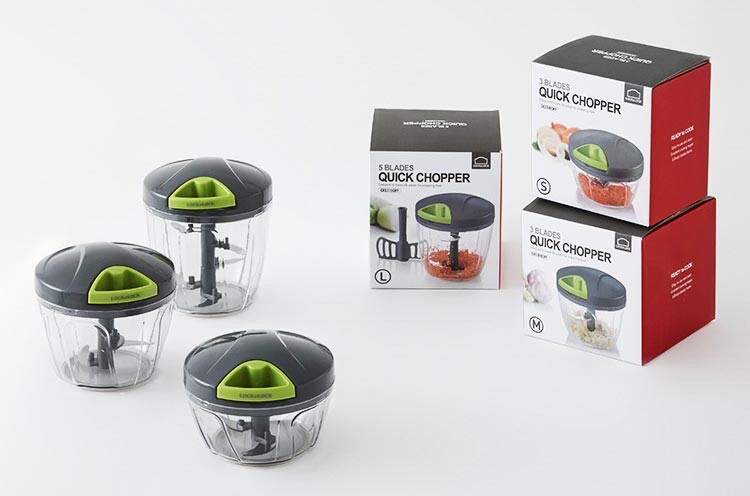
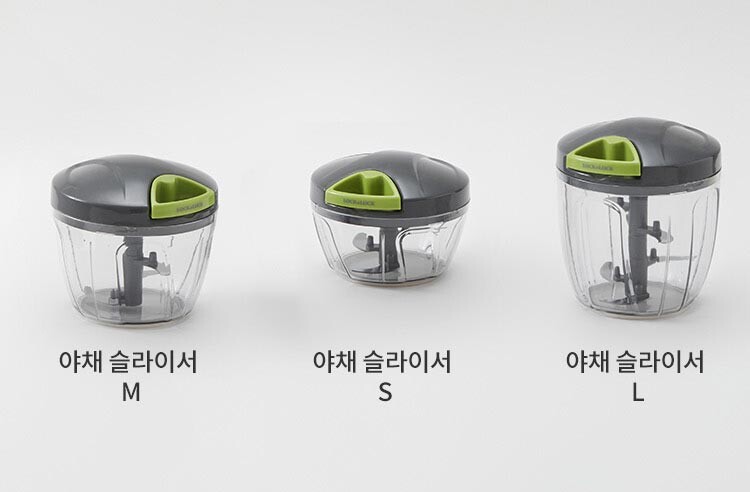
LocknLock offers the chopper in three capacities: 400 mL, 650 mL, and 900 mL. The official page identifies the large gray version as model CKS310.
One provided Korean review described adjustable slicing thickness and uniform slices. Those claims do not match the construction shown in LocknLock’s official materials, so they have not been treated as verified features in this review.
Why Korean owners keep reaching for this simple chopper
The appeal isn’t complicated. There is no motor, charging cable, wall outlet, or control panel. The pull cord turns the blades mechanically, making it useful when a full-size processor feels excessive.
Two Korean owners specifically praised how easy the removable blade was to wash. Two also described the tool as convenient for small, frequent cooking jobs such as preparing vegetables for fried rice and rolled omelets.
If you regularly prepare ingredients ahead of time, the chopped vegetables can also be refrigerated in glass containers. My Glasslock Classic White Edition 10-Piece Set review explains why this Korean storage system works well for everyday meals and leftovers.
Another owner chose it because the noise from an electric blender bothered a child. That is one household’s experience rather than a universal finding, but a manual chopper will naturally avoid motor noise.
The transparent bowl is another practical touch. You can stop while the vegetables are still coarse or continue pulling for a finer result. It offers useful control, though not exact consistency. Ingredients close to the blade may become smaller before pieces sitting higher in the bowl.
The Small Kitchen Task I Would Use It For
As a father of two daughters, I know that preparing a family meal often involves chopping only a little of several different ingredients. Fried rice is a good example: a small piece of carrot, some onion, and whatever vegetables remain in the refrigerator. Using a large electric food processor for that amount can create more washing than the meal itself deserves.
I have not personally tested this LocknLock chopper, but this is the situation in which I think it would be most useful. I would choose it for quick, roughly chopped ingredients rather than expect the precision of careful knife work. For my household, the 900 mL model appears more practical than the smaller versions because completing the job in one batch would matter more than saving a little cabinet space.
The size choice matters more than the mechanism
The three capacities use the same basic idea, but they suit different cooking habits.
| Size | Best Match in the Kitchen | What May Feel Limiting |
|---|---|---|
| 400 mL (S) | Garlic, chilies, herbs, and very small portions | Too cramped for family-size vegetable prep |
| 650 mL (M) | Everyday cooking for smaller households | May require multiple batches |
| 900 mL (L) | Larger portions, meal prep, and family recipes | Takes up more cabinet space |
A Korean owner who had used the 650 mL version for years compared it with the 900 mL model. In that person’s experience, the larger bowl handled more ingredients without requiring noticeably more pulling effort.
That is useful owner feedback, but it should not be treated as a controlled performance test. The required effort will also depend on the ingredient, the size of the starting pieces, and how tightly the bowl is packed.
For garlic, chilies, or a small amount of onion, the small version may be enough. The 650 mL model is the safer middle ground when storage space is limited. The 900 mL version makes more sense for larger households or anyone who dislikes processing the same recipe in several batches.
The official dimensions supplied for the 900 mL model are 125 × 125 × 142 mm. The manufacturer page also displays a weight figure that appears unusually low for the complete assembled product, so that number has been omitted rather than presented as reliable.
Where the LocknLock pull-chopper earns its cupboard space
This tool is best suited to ingredients that need chopping rather than blending.
Based on the Korean owner reports provided, it has been used for zucchini, carrots, onions, vegetables for rolled omelets, fried-rice ingredients, and meat mixtures. One owner also reported chopping beef to a mince-like texture. Since that meat result appeared in only one review, it should be considered an individual experience rather than a guaranteed capability.
For firm vegetables, cutting them into manageable chunks before loading the bowl should reduce strain on the cord and blade mechanism. Overfilling can also leave larger pieces above the cutting zone.
The chopper is particularly well matched to:
- Fried rice and omelet preparation
- Chopped onion for sauces and patties
- Small batches of baby-food ingredients
- Herbs, garlic, and chilies
- Kitchens without convenient access to an outlet
- Households that want less motor noise
The sharp blade is both the advantage and the main caution
The removable blade assembly makes cleaning simpler, but it also creates the product’s clearest safety issue.
One Korean owner warned that the blades are sharp enough to require deliberate handling during washing and drying. The manufacturer likewise advises caution because the product contains blades.
Hold the blade assembly by its central column rather than touching the metal edges. It is also sensible to wash it separately and place it somewhere visible while drying. Leaving a loose blade hidden under soapy water or mixed among other dishes is an avoidable risk.
The lid contains the pull-cord mechanism, so it should not be treated like an ordinary open plastic bowl. Follow the manufacturer’s cleaning instructions for that component rather than submerging it without checking.
Parents should also remember that “manual” does not mean “child-safe.” The product should be assembled, cleaned, and stored by an adult.
What users appreciated and what could become annoying
| What Korean Users Appreciated | What Could Become a Dealbreaker |
|---|---|
| No electricity or charging required | It chops rather than producing true slices |
| Less noise than a motorized appliance | Results may be less uniform than careful knife work |
| Transparent bowl shows chopping progress | Sharp removable blades require cautious cleaning |
| Blade detaches for easier washing | Small versions may need several batches |
| Useful for quick everyday recipes | Not suitable for juice or completely smooth purées |
| Three capacities for different households | Pull-cord durability was not established by the supplied reviews |
The repeated positive theme was not raw power. It was convenience. Owners liked being able to prepare a modest amount of food without setting up and cleaning an electric appliance.
The limitations are just as practical. If you regularly process soup-sized batches, grind tough ingredients, or need a completely smooth texture, an electric food processor will be the better tool. If appearance and identical cuts matter, a knife or mandoline will provide more control.
Who should buy it, and who should skip it?
The LocknLock Vegetable Slicer is a sensible choice for someone who cooks frequently but usually needs only a small or medium amount of chopped ingredients. It also suits compact kitchens, noise-sensitive homes, and cooks who value quick cleanup over advanced functions.
Consider it if you:
- Regularly chop onions, carrots, zucchini, herbs, or garlic
- Make fried rice, omelets, patties, or small meal-prep portions
- Find a full-size processor excessive for everyday jobs
- Prefer a tool that works without electricity
- Want to see the texture while chopping
Skip it if you:
- Need uniform slices or julienne strips
- Want silky purées, smoothies, or juice
- Process large amounts of hard food every day
- Have limited hand or wrist strength for repeated pulling
- Prefer dishwasher-safe parts but cannot confirm care compatibility
- Are uncomfortable washing exposed sharp blades
For occasional garlic and herb prep, a smaller hand chopper may save more space. For large quantities or very fine textures, a compact electric processor is the more suitable alternative. A mandoline is the right comparison only when the goal is consistent slices, not chopped pieces.
The research-based verdict
The LocknLock Vegetable Slicer solves a narrow but common problem: chopping modest amounts of food without turning meal prep into an appliance-cleaning project.
Its pull-cord mechanism, transparent bowl, removable stainless-steel blades, and three size options make it practical rather than sophisticated. The Korean owner reports repeatedly support its convenience for everyday recipes and straightforward cleanup.
Just buy it for the right job. This is a manual chopper, not a precision slicer, blender, or full food processor. Choose the capacity around your usual batch size, handle the blade carefully, and it should be most useful for the small cooking tasks that never quite justify plugging in a machine.
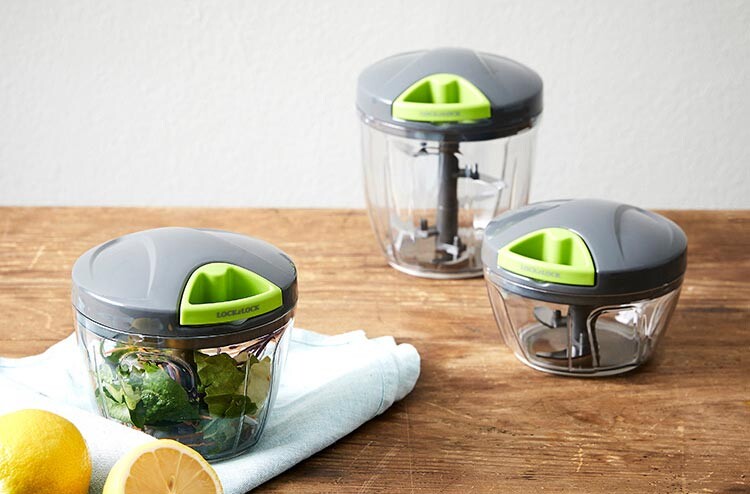
Product images courtesy of LocknLock : LocknLock Official Website
You can also explore the brand’s product range on the LocknLock Official Website
LocknLock Vegetable Slicer FAQ
Is the LocknLock Vegetable Slicer actually a slicer?
No. It is functionally a manual pull-cord chopper. Its rotating blades reduce vegetables into smaller pieces, but they do not create uniform slices or julienne strips. English-speaking buyers looking for cucumber rounds or adjustable thickness should choose a mandoline-style slicer instead.
Which size should I choose?
Choose 400 mL for garlic, herbs, and very small portions; 650 mL for general everyday cooking; or 900 mL for larger households and meal prep. A Korean owner who compared the medium and large versions preferred the larger capacity for preparing more food in one batch.
Can it chop hard vegetables such as carrots?
A Korean owner reported successfully chopping carrots, but firm ingredients should first be cut into smaller chunks. Avoid packing the bowl too tightly. The supplied materials do not establish a maximum ingredient hardness, so this chopper should not be treated as a substitute for a heavy-duty processor.
Can it make baby food?
It can chop vegetables used in baby-food preparation, as shown in one Korean owner report. However, it does not cook, sterilize, or necessarily purée food to a completely smooth consistency. Texture and ingredient suitability should always be adjusted for the child’s developmental stage.
Is it quieter than an electric food processor?
Yes, it avoids electric motor noise because the blades are driven by a hand-pulled cord. One owner specifically chose it after blender noise bothered a child. You will still hear the cord and ingredients moving, but the sound profile is different from a powered appliance.
Is the blade easy to clean?
The blade assembly is removable, and multiple Korean owners considered that helpful for cleaning. The cutting edges are very sharp, however. Hold the center column, keep fingers away from the blades, and do not leave the assembly concealed in a sink or dish rack.
Is there a verified difference between an old and new model?
The supplied sources confirm three capacity options and show both medium-versus-large comparisons and current gray product information. They do not provide enough official evidence to define a specific old-to-new model upgrade. Check the model number and included parts before purchasing.
Can international buyers purchase it?
Amazon and LocknLock’s official store were identified as purchasing channels in the supplied brief, but current price, stock, and country-specific delivery were not verified. Availability may also differ by capacity and model number, so confirm the exact version before ordering.
Since photos and text have their limits, here is a review video to give you a real sense of the product’s actual size and feel.
How I Researched This Review
This research-based review compares LocknLock’s supplied official product information with four Korean blog posts.
Three of those posts contained owner experiences relevant to the pull-cord chopper, including small-batch cooking, cleaning, noise, blade handling, and a 650 mL-versus-900 mL comparison. One post appeared to describe adjustable slicing functions that do not match the official product design, so those claims were excluded.
Official specifications were given priority over owner-entered measurements. Individual experiences, such as chopping beef or using the product around a noise-sensitive child, were kept separate from opinions repeated across multiple reviews. K-papa did not purchase, test, measure, or photograph this product.