15 Surprising Things You’ll See at a Korean Campsite
Visit a Korean campsite for the first time, and you may wonder whether you have arrived at a campground, an outdoor kitchen, or a beautifully styled pop-up home. Camping in South Korea is often less about roughing it in the wilderness and more about creating a comfortable outdoor living space—complete with warm bedding, proper cookware, atmospheric lighting, and enough food for a small celebration.
I’m K-papa, currently living in Korea, and one thing I find fascinating about Korean camping culture is the attention people give to comfort and presentation. Many campers carefully plan not only where they will sleep, but also how they will cook, organize their equipment, and enjoy the evening.
Of course, not every feature on this list is completely exclusive to Korea. However, seeing so many of them together at one Korean campsite can make the experience feel very different from camping in North America or Europe.
Here are 15 things that may surprise you when camping in Korea.
1. Tents That Look Like Small Apartments
At many Korean campsites, a simple two-person dome tent can look unusually modest. Korean families often use large tunnel tents, air tents, or shelter-style tents with separate sleeping and living areas.
These tents may contain tables, chairs, shelves, storage boxes, rugs, fans, heaters, and sometimes even portable cabinets. The goal is not simply to create a place to sleep. It is to build a temporary outdoor home where the family can comfortably spend an entire weekend.
This style is especially practical during Korea’s hot summers, cold winters, and rainy monsoon season.
2. A Fully Equipped Outdoor Kitchen
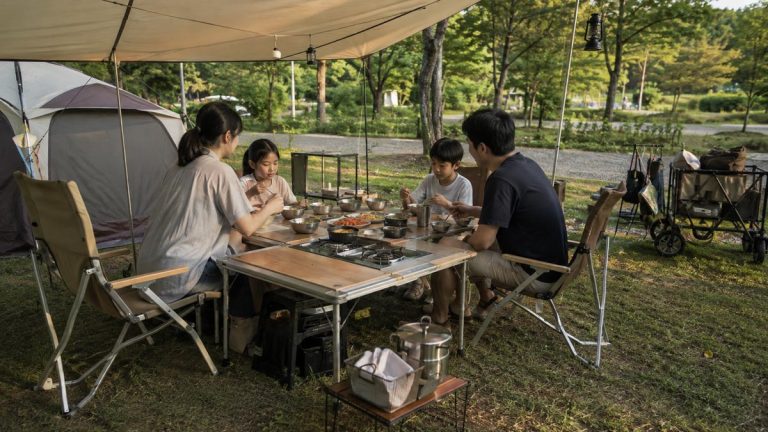
A Korean campsite meal rarely begins with a single pot balanced over a small backpacking stove. Many campers bring a complete cooking setup with multiple burners, large griddles, cutting boards, cookware, water containers, and organized food storage.
A popular setup may include an IGT-style table—a modular camping table that allows burners, trays, and accessories to fit directly into the tabletop.
The result can look surprisingly close to a home kitchen. For Korean campers, preparing food is not a minor part of the trip. It is often one of the main events.
3. Korean BBQ With More Than Just Meat
You will probably see pork belly, known as samgyeopsal, being grilled at a Korean campsite. But the meal rarely stops there.
A proper camping table may include lettuce, perilla leaves, sliced garlic, kimchi, mushrooms, chili peppers, dipping sauces, and ssamjang, a thick Korean condiment commonly served with grilled meat.
Campers wrap the meat and side dishes in a leaf to create ssam, a bite-sized wrap eaten by hand. Kimchi may also be placed directly on the grill so it absorbs some of the flavor from the meat.
It is less like cooking one camping dish and more like setting up an outdoor Korean restaurant.
4. A Pot of Stew Simmering Beside the Grill
While meat cooks on the grill, another burner may hold a bubbling pot of kimchi jjigae, doenjang jjigae, fish cake soup, or spicy sausage stew.
Korean meals often combine grilled food with a warm soup or stew, and camping is no exception. Even on a mild evening, a hot pot in the center of the table creates a comforting, communal atmosphere.
Everyone can serve themselves while continuing to grill, talk, and eat. On a cold night, the steam rising from the pot becomes part of the camping experience.
5. Coordinated “Emotional Camping” Decor
In Korea, you may hear the phrase gamseong camping. The Korean word gamseong refers to emotion, mood, or sensibility, but in camping it usually describes a carefully styled and atmospheric setup.
Warm lanterns, wooden tables, neutral-colored tents, patterned blankets, vintage-style equipment, and matching storage boxes are commonly used to create a cozy look.
The campsite is designed to feel relaxing, but it may also be arranged with photography in mind. A beautifully coordinated setup can become the background for family photos, social media posts, or simply a more pleasant evening outdoors.
6. More Lanterns Than You Expected
A practical overhead light may be enough for basic camping, but many Korean campers bring several different lanterns.
One bright light may illuminate the cooking area, while smaller lanterns create a softer mood around the table and tent entrance. Some campers hang miniature lights from a lantern stand or place decorative lamps on shelves.
Korean camping brands such as CLAYMORE, KOVEA, and Minimal Works offer many lighting products that combine practical illumination with distinctive design.
At night, an entire campground can glow with warm, carefully arranged pools of light.
7. Electric Mats Inside the Tent
Cold-weather camping is popular in Korea, but many campers do not rely on sleeping bags alone. At a campsite that provides electricity, you may find an electric heating mat placed under the bedding.
Koreans are accustomed to ondol, the traditional floor-heating system used in Korean homes. Sleeping on a warm surface therefore feels natural and comfortable.
Electric mats can make a major difference during Korea’s cold spring, autumn, and winter nights. However, campers still need appropriate insulation, safe electrical connections, ventilation, and equipment suitable for the season.
8. Shoes Left Neatly Outside the Sleeping Area
Koreans normally remove their shoes before entering a home, and the same habit often continues inside the tent.
A large family tent may have a living area where campers wear slippers or indoor shoes, while the sleeping compartment remains strictly shoe-free. Shoes are lined up near the entrance to prevent dirt, gravel, and moisture from reaching the bedding.
For international visitors, this is an important piece of Korean campsite etiquette: pay attention to where your host removes their shoes and follow their example.
9. Camping Wagons Loaded Like Moving Carts
Korean campers often use folding wagons to move equipment from the parking area to their assigned site. These carts may be piled high with coolers, tables, chairs, bedding, lantern cases, and cooking equipment.
A wagon is particularly helpful at campgrounds where vehicles cannot remain beside the tent. Some families need several trips before their setup is complete.
Watching a fully loaded wagon roll through the campground makes it clear that Korean comfort camping can require serious logistical planning.
10. Raised Wooden Deck Campsites
Many Korean campgrounds offer raised wooden platforms instead of ordinary grass or dirt pitches. Campers place their tents directly on these designated decks.
The platform can help keep the tent away from muddy or uneven ground, particularly during Korea’s rainy season. It also gives each group a clearly defined space.
However, deck dimensions vary, so experienced campers check the platform size before making a reservation. A large tunnel tent or shelter may not fit on a smaller deck.
Special deck pegs or anchors may also be required because standard ground stakes cannot be driven into wood.
11. Separate Areas for Washing Dishes
Rather than washing cookware at the individual site, campers typically carry their dishes to a shared washing area. Depending on the campground, the facility may include several sinks, hot water, counters, and designated waste bins.
You may see families transporting stacks of bowls, plates, pots, and metal chopsticks after dinner. A mesh drying basket or portable dish rack is therefore a useful piece of equipment.
Visitors should avoid leaving food scraps in the sink and follow the campground’s instructions for separating general, recyclable, and food waste.
12. Extremely Detailed Waste Sorting
Waste separation is already part of everyday life in Korea, and many campgrounds expect visitors to continue the same habits.
There may be different collection points for general trash, cans, glass, plastic, and food waste. Some private campgrounds provide designated bags, while others require campers to follow local disposal rules.
The system can initially feel complicated to an overseas visitor. Do not assume that every item belongs in the same garbage bag. Check the campground signs or ask the manager how waste should be separated.
Leaving a clean site is an essential part of being a considerate camper in Korea.
13. “Bulmeong” Around a Small Fire
One of the most recognizable Korean camping expressions is bulmeong. The word combines bul, meaning fire, with meong, a slang expression for staring blankly without thinking about anything in particular.
In simple terms, bulmeong means relaxing while watching the flames.
After dinner, campers may sit silently around a fire pit, listening to the wood crackle and watching the embers glow. It is treated as a calming activity in itself—not merely a way to stay warm.
Campfires are not permitted everywhere, however. Always check whether the campground allows fires and whether a raised fire pit and fireproof mat are required.
14. Instant Noodles as the Final Course
You might think that grilled pork, stew, rice, and side dishes would be enough food for one evening. At a Korean campsite, there may still be room for instant noodles.
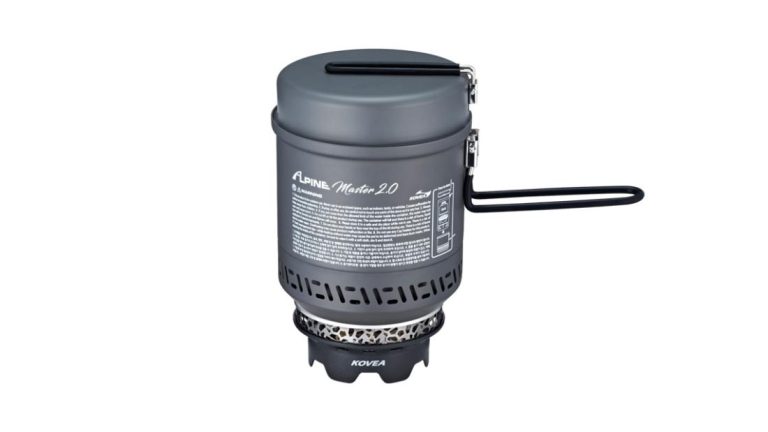
Ramyeon is frequently cooked late at night or added after most of the grilled food has disappeared. Some campers prepare it in a regular pot, while others use a lightweight Korean camping cooker.
Another common ending is fried rice made with leftover meat, kimchi, sauce, and rice. The ingredients are mixed on the same griddle used for dinner, allowing the final dish to absorb all the remaining flavor.
At a Korean campsite, the best part of the meal may arrive after everyone says they are already full.
15. A Serious Breakfast the Next Morning
Breakfast does not always mean cereal or an energy bar. Korean campers may prepare rice, soup, grilled meat, eggs, dumplings, or noodles the following morning.
Leftover stew can be reheated, while kimchi and other side dishes return to the table. A cup of hand-dripped coffee may follow the meal as campers slowly begin packing.
This unhurried breakfast reflects an important feature of Korean camping culture: the campsite is not simply a base for outdoor activities. Eating and spending time together are central parts of the trip.
What Makes a Korean Campsite Different?
The most noticeable difference is the way Korean camping blends nature with domestic comfort.
In some countries, camping is associated with carrying as little as possible and traveling deep into the wilderness. That style exists in Korea too, especially among backpackers and hikers. However, many family campgrounds are designed for organized car camping, where people can create a comfortable living space for one or two nights.
The large tent, outdoor kitchen, warm lighting, coordinated furniture, and shared meals all serve the same purpose: turning an ordinary campsite into a temporary home.
Tips for Visiting a Korean Campsite
If you plan to go camping in Korea, remember that facilities and rules differ considerably between campgrounds. Before booking, check:
- Whether the site is made of grass, gravel, soil, or a wooden deck
- The exact dimensions of the assigned pitch
- Whether electricity is available and what capacity is permitted
- Whether showers and hot water are provided
- Whether charcoal grills or individual campfires are allowed
- When quiet hours begin
- Where visitors must dispose of food waste and recyclables
- Whether cars can remain beside the tent
- Whether pets are accepted
Popular campgrounds can fill quickly on weekends, during school vacations, and when autumn foliage is at its best. Making a reservation in advance is usually the safest approach.
A Korean Campsite Is About More Than Sleeping Outdoors
What makes camping in Korea memorable is not any single tent, dish, or piece of equipment. It is the combination of food, comfort, organization, and atmosphere.
You may arrive expecting a simple night in nature and instead discover an outdoor living room illuminated by half a dozen lanterns. Nearby, pork belly may be sizzling on a griddle, stew bubbling on a stove, and a family preparing instant noodles even though dinner appeared to end an hour ago.
That is the charm of a Korean campsite. It offers fresh air and natural scenery without requiring campers to leave every comfort of home behind.
For international visitors, joining a Korean camping trip is also a wonderful way to experience the country beyond its major cities. You can see how Korean families eat, relax, share space, and transform an empty patch of ground into a warm home for the weekend.
Just remember to take off your shoes before entering the sleeping area—and save some room for the late-night ramyeon.
Frequently Asked Questions About Korean Campsites
Is camping popular in South Korea?
Yes. Car camping, family camping, glamping, backpacking, and recreational vehicle travel all have active communities in Korea. Weekend campsites near major cities can be particularly competitive.
Do Korean campgrounds provide electricity?
Many developed private and public campgrounds offer electrical connections, but availability and permitted capacity vary. Campers should check the individual campground’s rules before bringing heating or cooking appliances.
Can international travelers rent camping equipment in Korea?
Rental options are available in some cities and near popular camping destinations. Glamping sites are another convenient choice because the tent, furniture, and basic equipment are usually prepared in advance.
Are campfires allowed at Korean campsites?
It depends on the site and local fire conditions. Some campgrounds permit fires only in raised fire pits, while others prohibit them completely. Never make a fire directly on the ground unless the campground expressly allows it.
What food should I try while camping in Korea?
Popular choices include samgyeopsal, grilled kimchi, Korean sausages, kimchi jjigae, fish cake soup, fried rice, and instant ramyeon. The exact menu varies, but sharing several dishes is part of the fun.