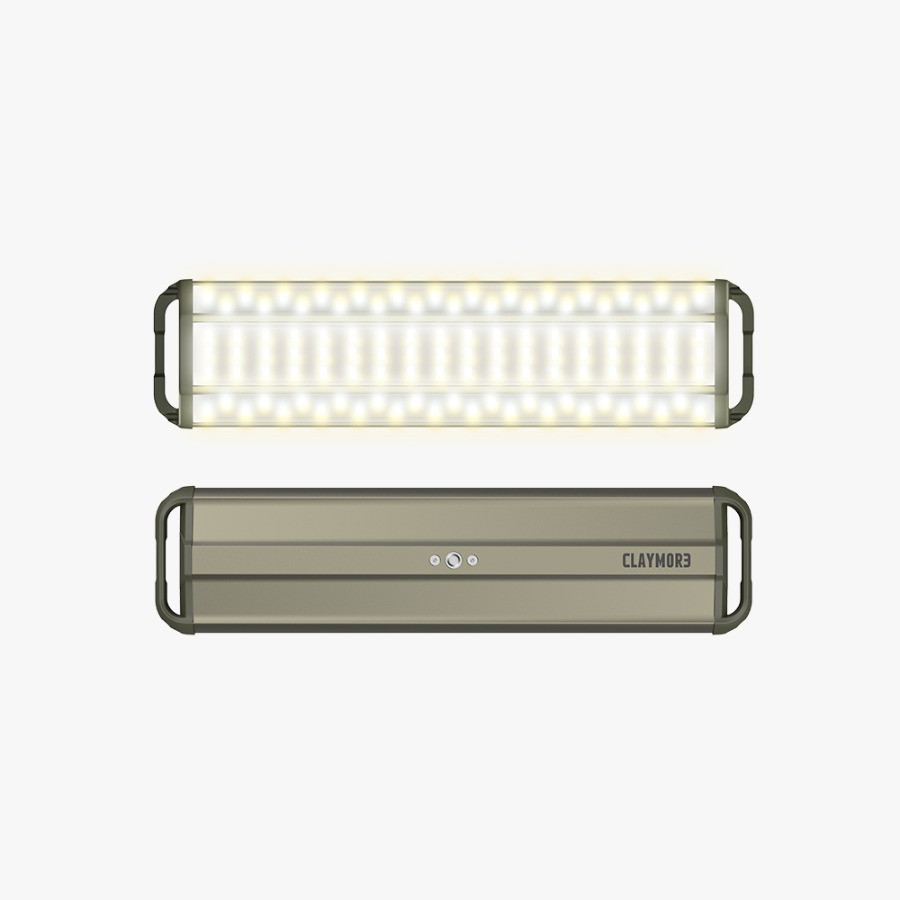
CLAYMORE 3FACE NEO 30 Review: One Powerful Area Light Instead of a Tent Full of Lanterns
Choosing a camping lantern gets complicated once a small table light is no longer enough. A compact model is easier to pack, but it may leave dark corners around a family-size tent or shelter. A brighter lantern covers more space, yet the extra weight, charging time, and price can be difficult to justify.
The CLAYMORE 3FACE NEO 30 sits firmly on the high-output side of that decision. According to CLAYMORE’s specifications, it delivers up to 5,400 lumens in normal operation and 8,500 lumens in Turbo Mode. Its three separately controlled lighting surfaces also give campers more control over where that light goes.
That sounds like a strong replacement for several smaller lanterns. It is also an 810-gram light with a relatively large battery, so it will not suit every camping style.
I’m K-papa, a Korea-based creator who introduces useful Korean products to international readers. For this research-based CLAYMORE 3FACE NEO 30 review, I compared the manufacturer’s specifications with five Korean review documents. Some of those reviews covered similarly named BTR or X variants, so features exclusive to those models were not treated as standard NEO 30 functions.
Full view of the CLAYMORE 3FACE NEO 30 LED camping lantern showing its long rectangular body
Affiliate disclosure: This article contains affiliate links. If you buy through one of these links, The Korea Picks may earn a commission at no extra cost to you. This does not affect the independence of this review.
The CLAYMORE 3FACE NEO 30 is built for campers who are tired of dark corners
Many camping lanterns produce plenty of light directly beneath them while leaving the edges of a shelter noticeably darker. Adding more lanterns can solve that problem, but it also means more charging cables, hanging points, and individual controls.
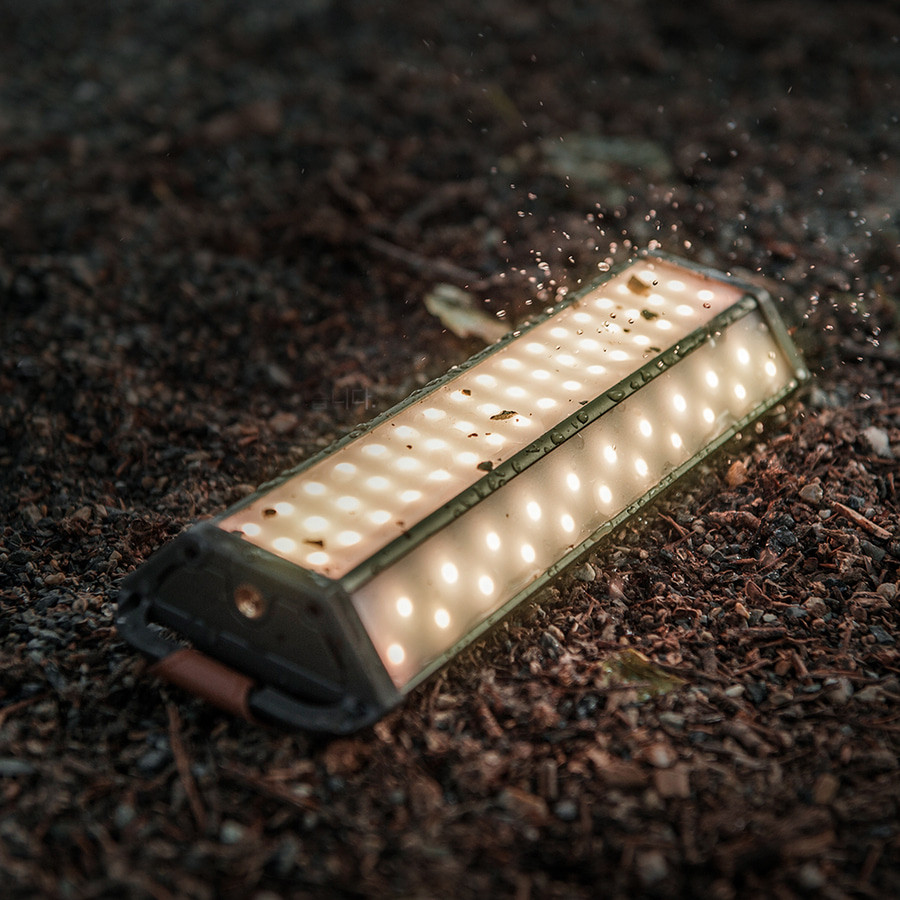
CLAYMORE approaches the problem with three lighting surfaces: a central panel and two side panels. The center and side lights can be controlled separately, allowing the lantern to distribute light across a wider area or concentrate it where it is needed.
This is the NEO 30’s most useful feature. The goal is not simply to produce a high lumen number. Its shape is designed to spread that output across a campsite more effectively than a conventional single-panel light.
Several Korean reviewers described the wide illumination as a major advantage when lighting tents, tables, and car-camping spaces. One owner of the standard NEO 30 said it worked well as a main lantern and was bright enough that adding more main lights did not feel necessary in that setup.
Reviews of the related X model also praised the broad three-sided coverage, but those comments should be treated as supporting observations about the general lighting design rather than proof of identical performance between models.
Its headline brightness needs a little explanation
The standard brightness range listed for the NEO 30 is 200 to 5,400 lumens. CLAYMORE also lists an 8,500-lumen Turbo Mode.
That distinction matters. The 8,500-lumen figure is not its ordinary maximum setting. Turbo Mode temporarily raises output above the normal range, and the manufacturer lists approximately six hours of operation in that mode. For routine cooking, dining, and tent lighting, most campers are unlikely to need Turbo continuously.
The three light colors are:
- Cool white: approximately 6,500K
- Warm white: approximately 3,000K
- Neutral white: approximately 4,500K
These modes have practical uses beyond campsite atmosphere. Cool white can make equipment and cooking surfaces easier to see. Neutral white is a balanced choice for dining and general work. Warm white produces a softer environment when maximum visual detail is no longer necessary.
A Korean owner of the standard model reported using cool white most often because it appeared brightest. The same review showed the lantern being used alongside a LUMENA 5.1CH MAX, although that was a personal campsite arrangement rather than a controlled brightness comparison.
You can light the whole area without shining every LED at everyone
A powerful lantern can become uncomfortable when it sits near eye level. More output does not help if campers are constantly turning away from glare.
The NEO 30’s center and side panels have separate controls, so users can change how the light is distributed. For example, the center panel can illuminate a cooking surface while the side panels broaden coverage around the table. In another position, reducing one panel may keep direct light out of seated campers’ eyes.
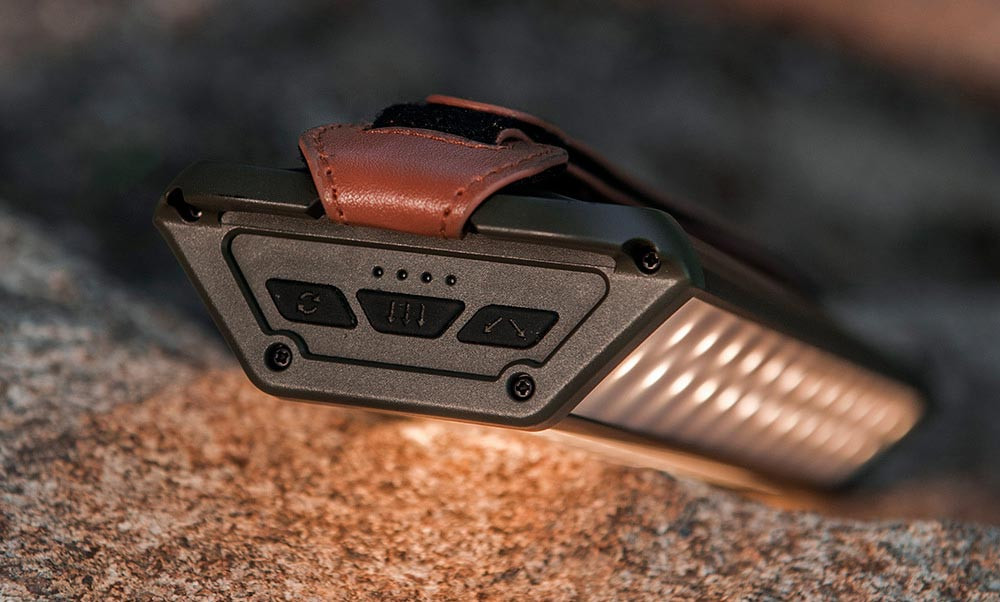
Brightness can be adjusted in three steps through short button presses, while holding the relevant button provides finer adjustment. The lantern also includes an SOS flashing mode.
This arrangement gives the NEO 30 more flexibility than a light with one panel and one master brightness control. Even so, positioning remains important. An 810-gram, high-output rectangular lantern placed too low or aimed directly toward a chair can still cause glare.
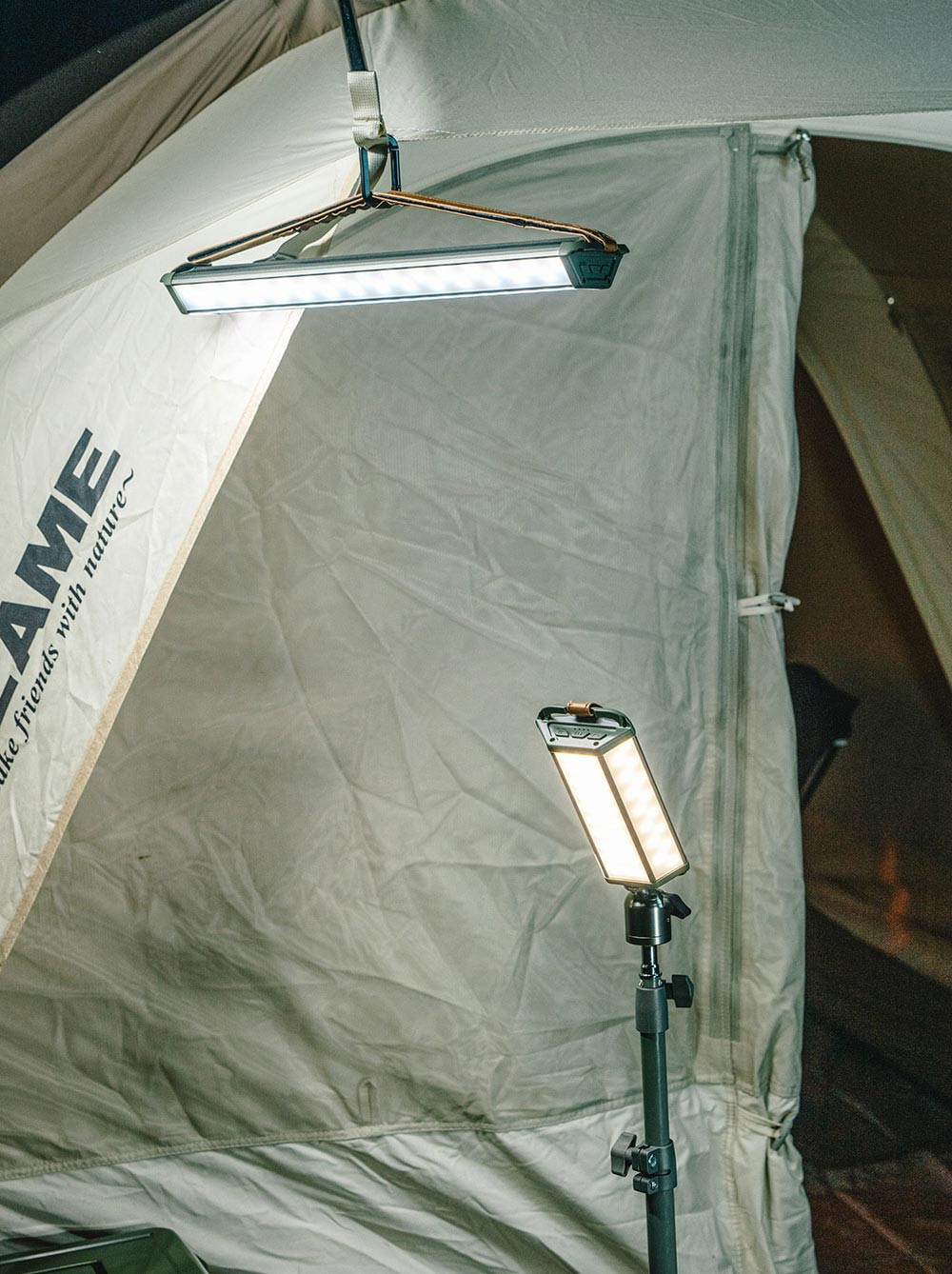
A high mounting position or a stable stand should produce more even area lighting. The body includes two 1/4-inch threaded mounting points, expanding the available placement options when used with compatible equipment.
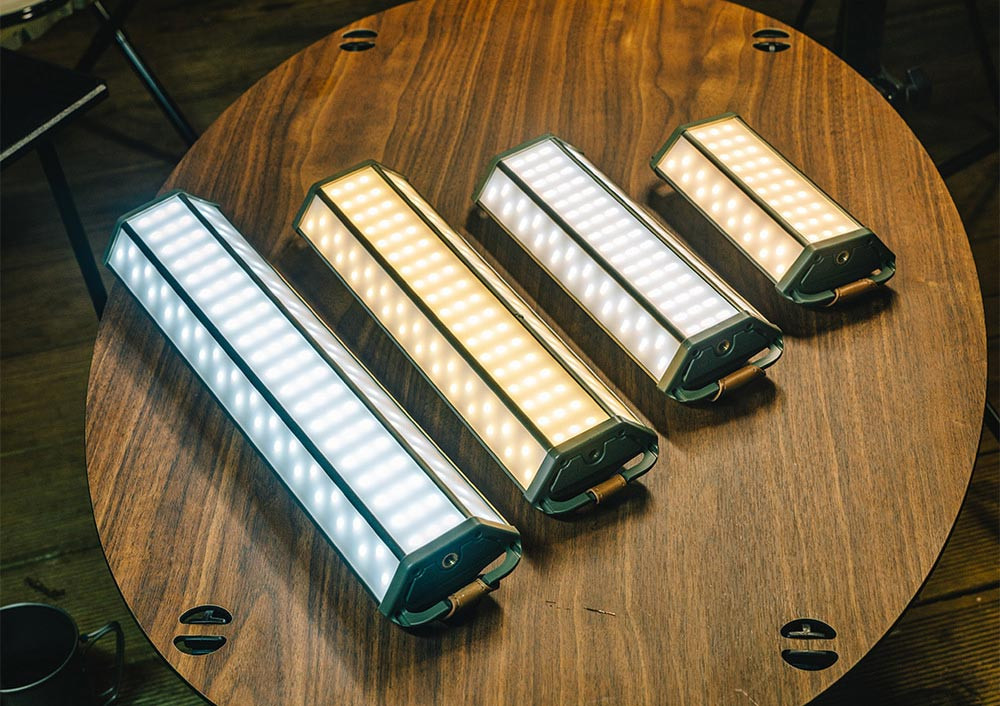
If the NEO 30’s three-panel lighting system fits your campsite, compare the listings carefully before ordering. Look for the full model name CLAYMORE 3FACE NEO 30 and model number CLF-3000, as eBay results may also include the smaller NEO 20, the larger NEO 40, older 3 FACE+ lights, or differently equipped X and BTR variants.
The large battery is convenient, but it explains the weight
CLAYMORE specifies a runtime of approximately 8 to 80 hours, depending on the lighting mode and brightness level. Turbo Mode is listed separately at around six hours.
This wide range is normal for a light with such a large difference between minimum and maximum output. The 80-hour figure should not be interpreted as 80 hours at 5,400 lumens.
The battery is rated at 108.78Wh. Charging time varies considerably depending on the power source:
| Charging setup | Manufacturer-listed charging time |
|---|---|
| 45W USB-C PD charger | Approximately 3 hours 30 minutes |
| 18W charger | Approximately 7 hours 30 minutes |
A compatible 45W PD charger therefore makes a meaningful difference, especially before a trip. The package includes a USB-C cable, but shoppers should check whether a suitable wall charger is included in their regional package or needs to be purchased separately.
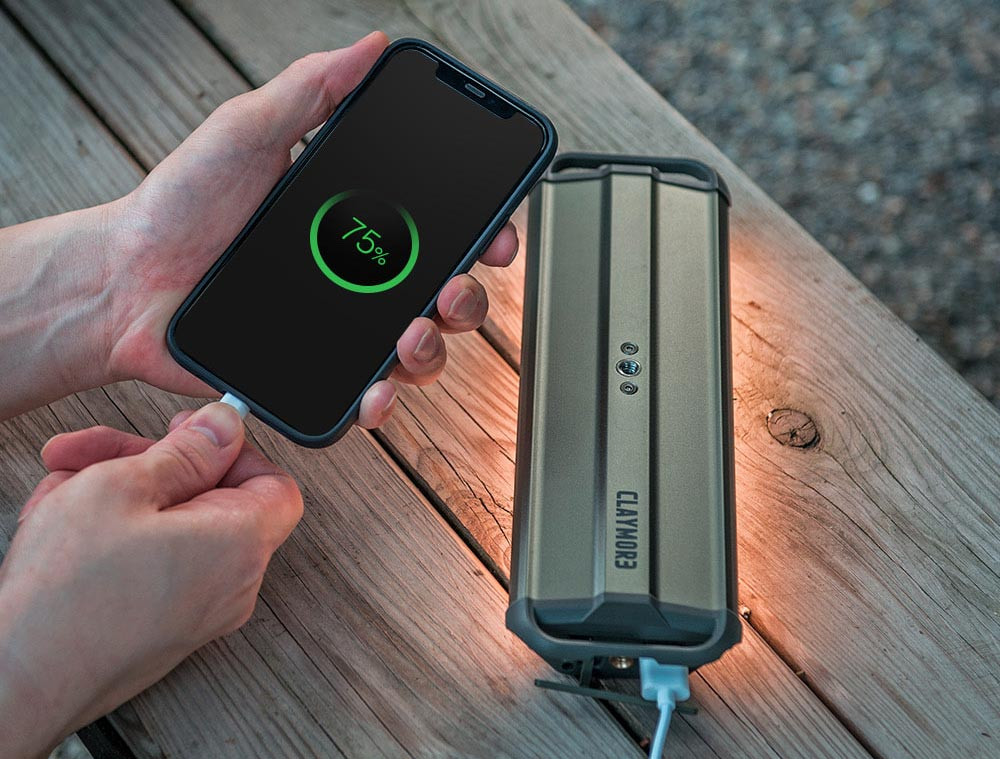
The lantern can also supply power to external devices through its output ports. That can be useful in an emergency, although charging a phone naturally reduces the energy available for lighting.
An 810-gram lantern asks more of your hanging point
The NEO 30 measures 322 × 80.9 × 38.3 mm and weighs 810 grams. It is slim for its output, but it is not a lightweight lantern.
Weight was one of the clearest cautions across the supplied Korean material. A standard-model owner successfully hung it inside a tent, while reviewers of related variants also described the body as noticeably substantial. Their experiences do not prove that every tent loop or lantern hanger can safely support it.
Before suspending the NEO 30, check the load capacity and condition of the mounting point. A weak fabric loop, unstable pole, or improvised clip is a poor match for a lantern of this weight.
Campers who mainly drive to established sites may consider 810 grams reasonable for a primary area light. Backpackers and campers who count every gram will probably see it differently.
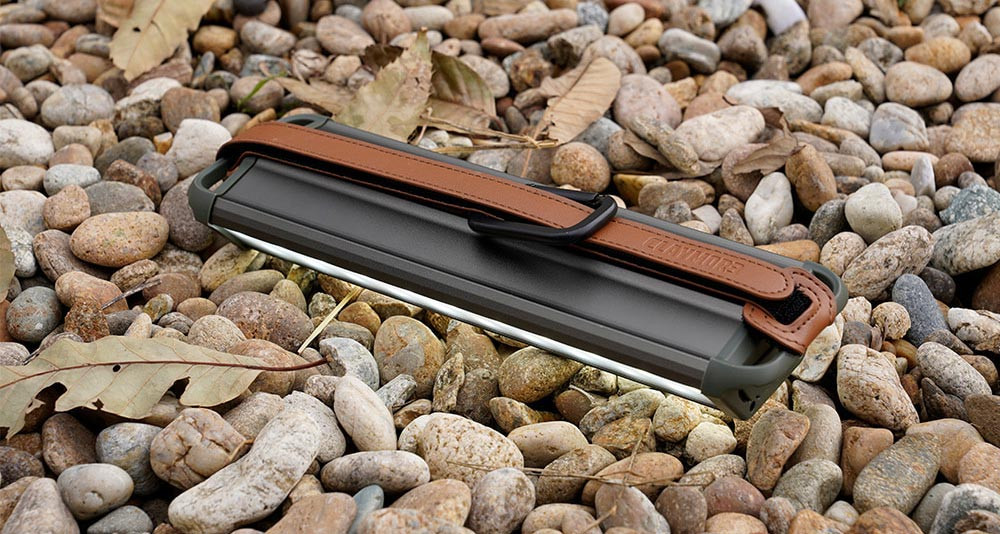
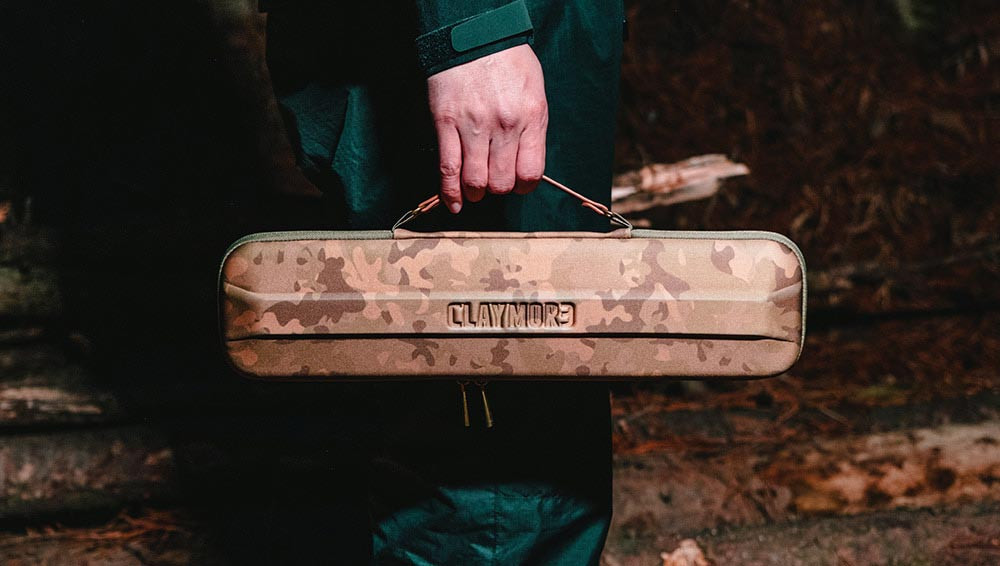
The included carrying case and leather strap help with transport and handling, but they do not turn the NEO 30 into an ultralight option.
IP54 is useful protection, not permission to leave it in heavy rain
The official IP54 rating means the lantern has limited dust protection and can resist splashing water. This is appropriate for ordinary outdoor conditions such as damp ground or an occasional light splash.
It is not a waterproof lantern that should be submerged or deliberately exposed to prolonged heavy rain. Charging ports should remain properly covered when they are not in use, and charging should be done in a dry environment.
One Korean review described using the lantern inside a tent, while the manufacturer’s product imagery shows several outdoor mounting positions. In each case, secure placement and reasonable weather protection remain necessary.
What the Korean feedback supports, and where the evidence becomes less certain
The five supplied review documents were not equally applicable to the standard NEO 30. One detailed owner report clearly covered the base model and included a comparison with a LUMENA lantern. Other documents used the names NEO 30 BTR or NEO 30 X, which may differ in connectivity, battery features, or controls.
For that reason, Bluetooth speakers, app control, and variant-specific claims were excluded from the core feature assessment.
The more defensible patterns were broad three-panel illumination, strong output, useful color adjustment, and a body heavy enough to require careful mounting. Comments about specific app behavior, prices, sales figures, and variant battery performance were not generalized to the standard model.
| What the supplied feedback supports | The limitations buyers should remember |
|---|---|
| The three lighting surfaces can cover a broad campsite area | The lantern weighs 810 g and needs a secure mount |
| It has enough output to serve as a main light in some setups | Turbo output is different from the 5,400-lumen normal maximum |
| Three color temperatures suit cooking and relaxed evening use | Maximum brightness may be excessive in a small tent |
| Separate center and side controls improve placement flexibility | The long body takes more packing space than a compact lantern |
| USB-C PD can reduce charging time substantially | An 18W charger takes roughly twice as long as a 45W PD charger |
| The case and mounting points add versatility | IP54 does not make it suitable for immersion or severe rain |
NEO 30 versus a group of smaller lanterns
Buying one powerful light is not automatically better than spreading several smaller lights around a campsite.
The NEO 30 makes sense when you want one primary light over a table, under a shelter, or near a central work area. One device is easier to charge and control, and the three panels can cover more than one direction.
Several compact lights may still be better for a divided campsite. A separate cooking light, tent light, and pathway light can reduce shadows and provide redundancy. If the only main lantern fails or runs out of power, the entire site does not go dark.
Smaller lights are also easier to position at different heights. The NEO 30 reduces the number of lanterns needed in some layouts, but it cannot illuminate every separated corner from one position.
Buying the CLAYMORE 3FACE NEO 30 Internationally
The CLAYMORE 3FACE NEO 30 is available from international eBay sellers, but package contents and shipping terms can vary. Before ordering, confirm that the listing identifies the CLF-3000 model and includes the lantern, carrying case, strap, and USB-C charging cable shown in the seller’s description.
A compatible 45W USB-C PD charger is especially useful because CLAYMORE lists a substantially shorter charging time with 45W PD than with an 18W power source. Do not assume that a wall charger, stand, tripod, or regional plug adapter is included unless the listing specifically shows it.
International buyers should also check the seller’s location, delivery eligibility, return policy, import charges, and final delivered cost. Because the NEO 20, NEO 40, NEO 30 X, NEO 30 BTR, and older 3 FACE+ models may appear in similar search results, verify the complete product name before paying.
Who should put the CLAYMORE 3FACE NEO 30 on the shortlist?
The NEO 30 is best suited to:
- Car campers who need a primary light for a larger tent, tarp, or shelter
- Families or groups who cook and dine after sunset
- Campers who prefer charging one substantial lantern instead of managing several main lights
- Users who want separate center and side lighting controls
- People who already own a secure lantern stand or compatible 1/4-inch mounting system
- Homeowners who also want a powerful rechargeable emergency light
It is harder to recommend to:
- Backpackers and minimalist campers focused on low pack weight
- Solo campers using a compact one-person tent
- Anyone whose tent has a weak or unverified hanging loop
- Buyers who only need a soft bedside or atmosphere light
- Campers who would benefit more from several small lights placed in separate zones
- Shoppers specifically looking for Bluetooth or app control without confirming the exact model variant
A smaller model in the 3FACE NEO series may be the more sensible alternative if you like the panel design but do not need the NEO 30’s output or battery capacity. Campers who prioritize flexible placement should also compare the cost and weight of two smaller lanterns.
If you are also organizing the cooking area around your main light, read my KOVEA Mesh IGT 3 Folding Table Review: One Camp Table for Cooking, Dining, and Better Organization. The table provides a central space for cooking and dining, while the NEO 30 can illuminate the setup after sunset.
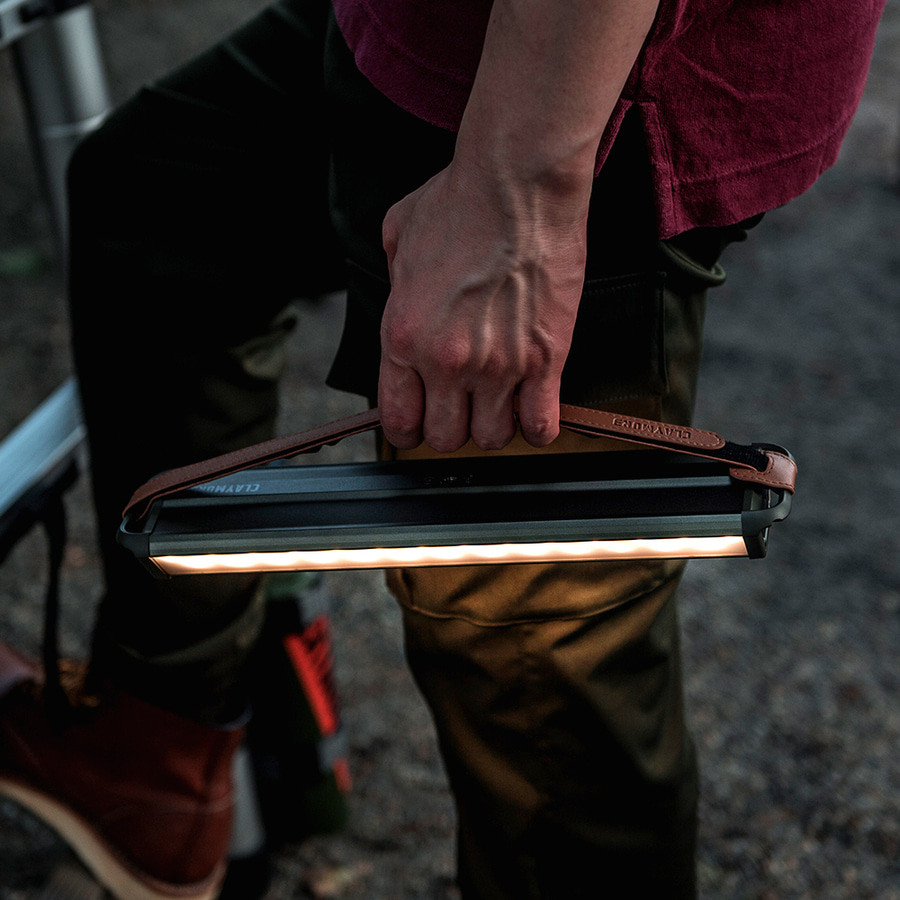
Product images courtesy of CLAYMORE: CLAYMORE Official Website
CLAYMORE 3FACE NEO 30 Review: The Research-Based Buying Decision
The CLAYMORE 3FACE NEO 30 solves a real campsite problem: getting broad, adjustable light from one main fixture instead of hanging several high-output lanterns around the same area.
Its 5,400-lumen normal maximum, 8,500-lumen Turbo Mode, separate lighting panels, three color temperatures, and large battery make it a strong candidate for car camping and group setups. The trade-offs are equally practical. It weighs 810 grams, requires a dependable mounting point, and can take about seven and a half hours to recharge with an 18W power source.
The best reason to buy it is not simply that it is bright. It is the combination of high output and control over where that output goes.
If your evenings revolve around one large table or shelter, the NEO 30 could replace a cluttered collection of main lights. If your campsite is small, divided into several zones, or carried on your back, a lighter and more distributed lighting setup will likely serve you better.
If the standard NEO 30 is the right size for your campsite, compare the available seller options before ordering. Check for the CLF-3000 model number, included accessories, seller location, shipping terms, return conditions, and final delivered cost.
Since photos and text have their limits, here is a review video to give you a real sense of the product’s actual size and feel.
How I Researched This Review
This is a research-based review, not a first-hand product test. I examined CLAYMORE’s official product information and specification tables, then compared them with five supplied Korean review documents.
The source set included a standard NEO 30 owner report, a comparison with the LUMENA 5.1CH MAX, and material labeled NEO 30 BTR or NEO 30 X. Because those names may represent different variants, Bluetooth, app, speaker, and model-specific battery claims were not assigned to the standard NEO 30 without confirmation.
Where user impressions differed or could not be verified against the official specifications, they were treated as individual experiences rather than established product facts.
Selected Korean source material:
- Korean owner review and LUMENA comparison
- Korean NEO 30 BTR review
- Korean brightness and usage review
- Korean NEO 30 BTR buying guide
- Korean NEO 30 X owner report
Frequently Asked Questions About the CLAYMORE 3FACE NEO 30
How bright is the CLAYMORE 3FACE NEO 30?
The NEO 30 produces 200 to 5,400 lumens during normal operation. CLAYMORE also lists an 8,500-lumen Turbo Mode. The higher number should not be confused with the normal maximum, and Turbo runtime is listed at approximately six hours.
How long does its battery last?
CLAYMORE lists approximately 8 to 80 hours, depending on the selected panels, color mode, and brightness. Runtime will be much shorter at high output than at the lowest setting, so the 80-hour figure should not be expected when using the lantern as a high-power main light.
How much does the NEO 30 weigh?
The lantern weighs 810 grams and measures 322 × 80.9 × 38.3 mm. That is manageable for car camping but relatively heavy for backpacking or a weak tent loop. Use a stand, tripod, or hanging point that can safely support it.
Can the CLAYMORE 3FACE NEO 30 be used in the rain?
It has an IP54 rating, so it can resist splashing water and limited dust exposure. It should not be submerged or treated as fully waterproof. Protect the charging ports, avoid charging it in wet conditions, and move it under cover during severe weather.
Does the standard NEO 30 have Bluetooth or app control?
Bluetooth and app functions should not be assumed for the standard NEO 30. Some Korean material covered BTR or X variants with different feature claims. Check the complete model name and the official listing before ordering if remote control is essential.
Can it charge a phone?
Yes, the official product information indicates that the lantern can provide power to an external device. Using it as a power bank will reduce the remaining lighting runtime, so it is best treated as a backup function rather than free additional battery capacity.
Is the NEO 30 suitable for backpacking?
It is generally better suited to car camping than weight-conscious backpacking. At 810 grams before counting its case and charging equipment, it is considerably heavier than a compact personal lantern. Backpackers should compare smaller NEO models or lightweight lights.
Is the CLAYMORE 3FACE NEO 30 worth buying?
It can be worth the cost for campers who need one powerful, adjustable main light for a large tent, table, or shelter. Campers with small sites, low brightness requirements, or strict weight limits may get better value from a smaller model or several compact lanterns.
Can international buyers purchase the CLAYMORE 3FACE NEO 30?
Yes. The CLAYMORE 3FACE NEO 30 is currently available from multiple eBay sellers. International buyers should confirm that the listing is for the standard CLF-3000 model rather than the NEO 20, NEO 40, NEO 30 X, NEO 30 BTR, or older 3 FACE+ series. Check the included accessories, charger requirements, shipping eligibility, import costs, and return terms before ordering.