The Hidden Rules of Korean Camping That Tourists Should Know
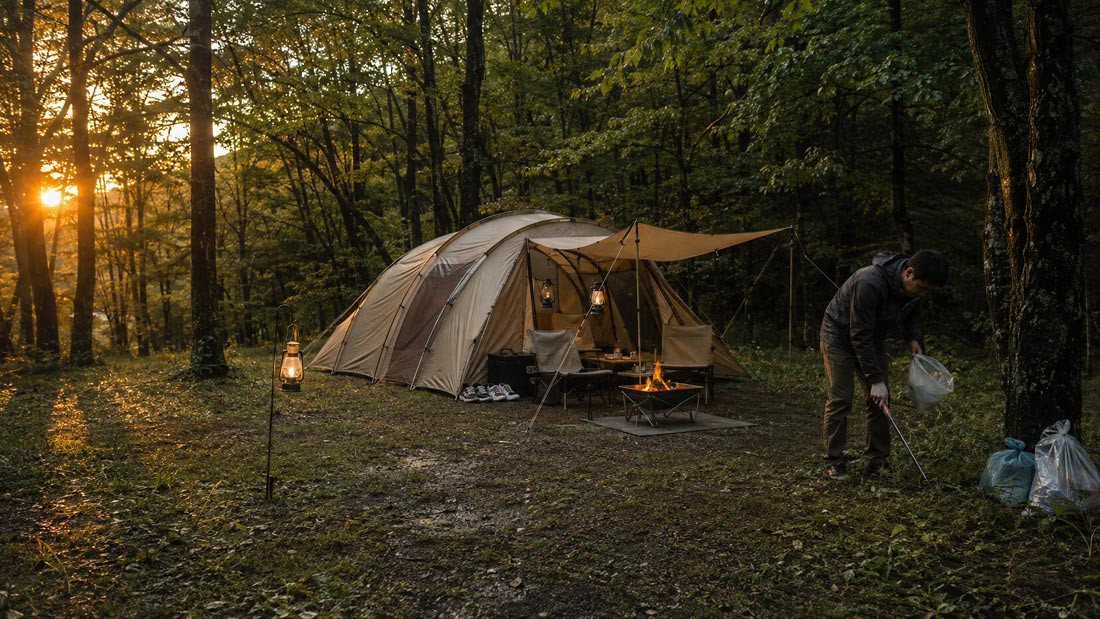
The hidden rules of Korean camping that tourists should know are not always written in English—or written anywhere at all. Some are official safety requirements. Others are quiet expectations that Korean campers learn by watching the people around them.
You may successfully reserve a site, arrive with the right equipment, and follow every instruction printed on your confirmation. Yet one bright lantern, one late-night conversation, or one bag of incorrectly sorted trash can still make the atmosphere around your tent suddenly uncomfortable.
Nobody may confront you. That is the tricky part.
A neighboring camper might simply close the tent door a little harder than necessary. Someone may glance toward your site and then look away. The campground manager may visit with an apologetic smile and begin the conversation with, “Excuse me, but…”
I’m K-papa, a camper and creator currently living in Korea. What I have learned is that Korean campground etiquette is not complicated, but it is sensitive to shared space. Sites can be close together, families often bring children, and even a quiet voice travels surprisingly far after the forest settles down.
This guide separates official rules from unwritten manners so you can enjoy a Korean campground without accidentally becoming the story everyone tells on the drive home.
First, Understand the Difference Between a Rule and “Manner Time”
Every campground publishes its own regulations. Fire use, pets, parking, check-in, electricity, and waste disposal may differ from one location to another.
Then there is 매너타임 (maeneotaim)—“manner time.”
Manner time is the campground’s quiet period. Korea Tourism Organization guidance identifies avoiding loud noise after 9:00 p.m. as a basic camping courtesy, while individual campgrounds may begin their quiet period later or divide it into several stages. Always check the exact hours on your campground notice.
But there is a detail that tourists can easily miss: manner time does not mean the party can continue at full volume until one minute before it begins.
The mood usually starts changing earlier.
Children return to their tents. Campers lower their lanterns. Dinner conversations become softer. The metallic clatter of cookware gradually disappears. By the official quiet hour, the campground is expected to be genuinely calm—not merely a little quieter than before.
My own rule is simple: after dinner, imagine that the person in the next tent is already trying to sleep.
Thin tent fabric does not understand property boundaries.
Hidden Rule 1: Your Voice Is Louder Than You Think
A normal conversation inside a house may feel surprisingly loud outdoors at night. Trees block views, but they do not reliably block voices. Tents provide almost no sound insulation.
Four people speaking at an ordinary indoor volume can sound like a party from two sites away.
Laughter is not forbidden. Camping should be enjoyable. The problem is the sudden burst of shouting that follows a game, drinking, or an exciting conversation—especially after neighboring sites have gone dark.
Portable Bluetooth speakers create even more tension. Some campgrounds prohibit them during quiet hours, while others expect guests to keep them low enough that the music remains inside their own site.
A useful test is to walk to the edge of your pitch. If you can clearly hear every lyric or word, so can your neighbors.
And bass travels farther than you expect.
Hidden Rule 2: Manner Time Applies to Setup and Packing Too
Late arrival does not suspend quiet-hour etiquette.
Hammering metal stakes into hard ground at 10:30 p.m. can wake half the campground. Inflating a large air tent with a powerful electric pump may be even more noticeable. Car doors, storage boxes, folding tables, and aluminum poles all develop impressive musical ability after dark.
If you expect to arrive late, contact the campground first. Ask whether late check-in is allowed and whether you can use a simpler temporary setup until morning.
Early departure creates the same problem in reverse.
Packing quietly at 6:00 a.m. sounds reasonable until every car door is opened and closed five times. Prepare as much as possible the night before, keep metal items from knocking together, and save noisy tent disassembly for an acceptable hour when possible.
Korean campers are often remarkably patient with genuine mistakes. Repeated hammering after the manager has already asked for quiet feels different.
Hidden Rule 3: Stay Inside the Boundaries of Your Site
A Korean campsite may be separated by grass lines, gravel edges, wooden decks, numbered posts, trees, or low ropes. The boundary can look informal, but campers generally treat it as private space.
Do not place guy lines, chairs, shoe racks, cooking equipment, or vehicles inside a neighboring site. Keep access roads and walking paths open.
Guy lines deserve special attention. A large tent or tarp may technically fit inside the main pitch while its ropes extend into a shared passage. At night, those lines become nearly invisible.
Use reflective rope markers or small safety lights where permitted. Do not turn them into a runway of flashing LEDs; the goal is to prevent someone from falling, not guide an airplane into your tent.
Children may naturally run across neighboring grass. Most campers understand that. Parents are still expected to redirect them when they enter another family’s site or handle unfamiliar equipment.
There may be an expensive stove, a hot fire pit, a nervous dog, or simply someone who came to the forest hoping for a little privacy.
Hidden Rule 4: Do Not Treat Empty Ground as Free Space
An unoccupied site is not automatically available for parking, games, drying towels, or storing equipment.
It may belong to a guest who has not arrived yet. The manager may be keeping it closed because of drainage problems or maintenance. It may also serve as an emergency route.
This is particularly important in tightly organized public campgrounds. Use only the site, parking area, and facilities assigned to you.
If you need more room, ask first.
In Korea, asking a short question is almost always received better than confidently borrowing something that was never offered.
Hidden Rule 5: Fire Rules Are Site-Specific, Not Negotiable
One of the most dangerous assumptions is that camping automatically allows an open fire.
Some Korean campgrounds permit charcoal or firewood only in raised fire pits. Others restrict fires during dry weather, wildfire warnings, or certain seasons. A few forest campgrounds prohibit fire pits completely.
For example, official tourism information for Jeju’s Gyorae Natural Recreation Forest states that fire pits are prohibited in its camping area. That rule is connected to the sensitive forest environment, not a lack of camping spirit.
Read the campground policy before bringing firewood. Look for:
- 화로대 사용 가능: Fire pit permitted
- 숯 사용 가능: Charcoal permitted
- 장작 사용 가능: Firewood permitted
- 불멍 가능: Recreational campfire permitted
- 화기 금지: Open flame prohibited
- 산불조심기간: Forest-fire prevention period
Never build a fire directly on grass, gravel, a wooden deck, or bare soil unless the campground has created a designated structure for that exact purpose.
Use a heat-resistant fire mat when required. Keep sparks away from tents, dry leaves, vehicles, and neighboring equipment. Before sleeping or leaving, extinguish the fire completely—not until it looks dark, but until no heat or embers remain.
The Korea Tourism Organization’s current camping safety guidance specifically calls for using fire only in designated areas and fully extinguishing embers before sleeping or departure. That is not hidden etiquette. It is a basic safety responsibility.
Hidden Rule 6: Never Use Charcoal or Gas Heating Carelessly Inside a Tent
This rule deserves more attention than any question about manners.
Do not use charcoal inside a tent. Do not bring a charcoal grill inside because the night has become cold. Carbon monoxide is colorless and odorless, and ventilation that “feels sufficient” may not be sufficient.
Official Go Camping safety guidance prohibits gas and charcoal use inside tents and recommends constant ventilation and a carbon monoxide alarm.
Heating appliances also need careful handling. Use only equipment permitted by the campground and designed for the intended environment. Keep combustible fabric and bedding away from heat sources. Never go to sleep assuming a heater will take care of itself.
A beautiful campsite is not worth gambling with invisible gas.
If you are unfamiliar with cold-weather camping in Korea, book a heated cabin or glamping accommodation instead. That is not failing at camping. It is making a sensible decision.
Hidden Rule 7: The Electric Outlet Is Not Unlimited Power
Electricity is common at Korean auto campgrounds, but availability does not mean unlimited capacity.
Each site or electrical circuit may have a wattage limit. Running an electric heater, induction cooktop, rice cooker, kettle, refrigerator, electric mat, and hair dryer at the same time can trip the breaker for your site—or several neighboring sites.
Check the campground’s maximum electrical allowance before arrival.
Use outdoor-rated cables. Fully unwind an extension reel so heat does not build up inside the coil. Keep connections protected from rain and damp ground. Do not create a chain of overloaded adapters.
Current official Korean camping safety guidance warns campers to unwind electrical reels and avoid multi-plug “octopus” connections.
If the power suddenly disappears, do not repeatedly reset equipment or open an electrical panel without permission. Turn off high-wattage appliances and contact the campground manager.
Nothing builds friendship with the next site quite like cutting off their heated sleeping mat in the middle of a winter night—and unfortunately, I do not mean that in a good way.
Hidden Rule 8: Wash Dishes at the Sink, Not at Your Site
Most established Korean campgrounds have a shared dishwashing area called a 개수대 (gaesudae).
Use it.
Do not pour greasy cooking water onto the grass, gravel, tree roots, or storm drains. Do not wash dishes at a drinking-water tap unless the campground identifies it as a washing area.
At the shared sink:
- Remove leftover food before washing.
- Do not push rice, noodles, or meat into the drain.
- Keep your cookware within your section of the counter.
- Wipe away large food scraps when finished.
- Do not leave dishes unattended during busy hours.
- Follow signs about hot water and food-waste disposal.
The quiet social contract is that everyone leaves the sink slightly better than they found it. Sadly, not everyone does. Few things remove the charm from a forest morning faster than discovering someone else’s cold ramen floating in the basin.
Official Korean environmental camping guidance also recommends minimizing food waste and using eco-friendly detergent when washing.
Hidden Rule 9: Sorting Trash Is Part of the Camping Experience
Korea takes waste separation seriously, although the exact bins vary by campground.
You may need to separate:
- General waste
- Food waste
- Plastic
- Cans and metal
- Glass bottles
- Paper or cardboard
- Ash and extinguished charcoal
Some campgrounds provide designated bags. Others require official local pay-as-you-throw bags, known as 종량제 봉투 (jongnyangje bongtu). Small forest sites may ask visitors to take all trash home.
Never leave a tied bag beside a full bin without checking where it belongs. Do not place hot charcoal in general waste, and do not mix food scraps with recyclable containers.
If the signs are confusing, take a photo and ask the manager:
쓰레기는 어디에 버려요?
Sseuregineun eodie beoryeoyo?
“Where should I throw away the trash?”
The current Go Camping safety pledge instructs campers to separate their waste or take it home and to preserve the natural environment.
This is one rule where “I didn’t understand the sign” may explain the mistake, but it does not make the mixed bag disappear.
Hidden Rule 10: Your Lights Can Disturb People Without Making Any Sound
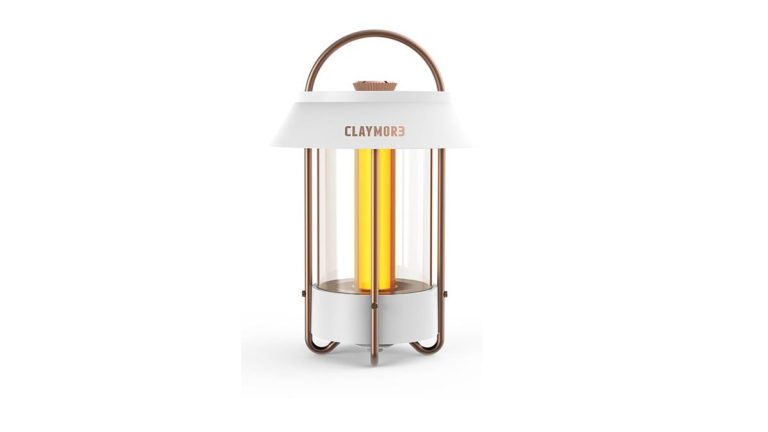
Camping lanterns have become brighter, prettier, and more numerous. That does not mean all of them should remain on throughout the night.
A powerful LED lantern aimed outward can shine directly through another tent wall. Flashing string lights and high-mounted floodlights are especially disruptive after quiet hours.
Lower the brightness as the evening progresses. Point task lights downward. Turn off decorative lighting before sleeping, except for small safety markers where needed.
Warm, low lighting usually creates a better atmosphere anyway.
I like lanterns. They can make an ordinary campsite feel deeply peaceful. But there is a point when “cozy lighting” becomes a small outdoor stadium, and the people next door did not buy tickets.
Hidden Rule 11: Cars Should Become Quiet Once You Arrive
At an auto campground, the car is convenient. It can also become the loudest object on the site.
Avoid unnecessary engine idling, especially early in the morning or late at night. Turn off headlights rather than shining them into neighboring tents. Disable sounds that cause the vehicle to beep repeatedly when locking or opening doors if your vehicle allows it.
Drive slowly. Children may step into the lane from between tents, and guy lines or equipment can extend close to the road.
Follow designated vehicle-movement hours. Some campgrounds restrict entry or exit during quiet periods for safety and noise control.
If parking is outside the camping zone, do not assume you can temporarily drive to the tent for unloading. Ask the manager. Some forest sites provide carts because private vehicles are not permitted near the pitches.
Hidden Rule 12: Pets Are Not Automatically Welcome
A pet-friendly country is not the same thing as a pet-friendly campground.
Some sites welcome dogs under specific conditions. Others prohibit all pets, including inside caravans and glamping units. Sensitive forests and national facilities may apply stricter rules.
Official information for Gyorae Natural Recreation Forest, for example, states that pets are prohibited in the camping area.
When pets are allowed:
- Keep them leashed unless a designated area says otherwise.
- Prevent repeated barking, especially at night.
- Clean waste immediately.
- Do not allow pets to enter shared sinks, showers, or food-preparation areas.
- Keep them from approaching other people or animals without permission.
- Confirm size, breed, and number restrictions before arrival.
Do not say, “My dog is friendly,” while allowing it to run into another site. The neighbor may have allergies, a frightened child, a reactive pet, or no desire to meet a dog during breakfast.
Your pet’s friendliness does not cancel another camper’s boundaries.
Hidden Rule 13: Shared Facilities Are Not an Extension of Your Campsite
Shower rooms, sinks, toilets, refrigerators, charging areas, and common tables belong to everyone.
Do not reserve a shower by leaving toiletries inside. Do not occupy several sinks with one family’s equipment. Do not spread belongings across a shared table while returning to your tent for an hour.
Wear appropriate footwear and keep wet floors as clean as possible. Supervise young children, particularly where hot water, slippery surfaces, or other campers’ cooking tools are present.
Some Korean campgrounds require paid shower tokens or operate hot water only during certain hours. This is an operating rule, not poor service. Check before walking to the shower with shampoo already in your hair.
Hidden Rule 14: Food Smells Do Not Respect Site Boundaries
Cooking is one of the best parts of Korean camping, and no one expects a campground to smell like an empty library.
Still, smoke management matters.
Position grills where smoke will not blow directly into neighboring tents. Avoid placing a fire pit against the edge of the site. Do not burn food packaging, wet wood, plastic, or trash to get rid of it.
If wind direction changes, move the cooking equipment when it is safe to do so. A neighbor may tolerate the smell of grilled pork. Thick smoke entering a sleeping tent is another matter.
Late-night cooking also creates sound. Chopping, metal cookware, gas ignition, and dishwashing can be surprisingly loud after manner time begins.
Eat well. Just remember that the entire campground does not need to hear the menu being prepared.
Hidden Rule 15: Severe Weather Overrides Your Reservation
A paid reservation does not make the mountain, river, or forest safe.
Heavy rain can flood low-lying campgrounds. Strong wind can turn a tarp into a sail. Wildfire warnings, typhoons, snow, and landslide risks may require evacuation.
Official Korean camping guidance tells campers to leave immediately during severe-weather alerts and to identify fire extinguishers and evacuation routes in advance.
When the manager orders evacuation, it is not the time to negotiate because your tent is waterproof.
Keep emergency alerts enabled on your phone where possible. Check the forecast for the campground’s exact location, not only the nearest major city. Know where your car keys, shoes, flashlight, and essential documents are.
Korean campers sometimes prepare astonishingly comfortable sites. In bad weather, attachment to that setup can make leaving emotionally difficult. I understand it. Packing wet equipment in strong wind feels miserable.
But gear can be replaced.
People cannot.
The Rule Nobody Posts: Read the Mood Around You
This may be the most important hidden rule of all.
Korean campgrounds are shared communities that appear for one night and disappear the next morning. Nobody knows each other, yet everyone depends on everyone else for quiet, cleanliness, and safety.
Watch what happens around you.
If nearby campers are lowering their voices, lower yours. If the shared sink is busy, finish efficiently. If the wind carries smoke toward another tent, adjust your setup before someone asks. If children are sleeping nearby, reconsider the speaker.
You do not need to imitate every Korean camper. You do not need perfect Korean. You only need enough awareness to recognize that your holiday is happening very close to someone else’s.
Korean social situations often place value on noticing inconvenience before it becomes an open conflict. At a campground, that sensitivity matters even more.
The best compliment may be that nobody remembers your site after you leave.
They slept well. The path stayed clear. The sink was clean. Nothing caught fire.
That is a successful neighbor.
What to Do If Someone Corrects You
Do not panic or become defensive. Most campground staff and neighboring campers are not trying to embarrass you.
Listen for the key issue:
- 조용히 해주세요: Please be quiet.
- 불 끄셔야 해요: You need to put out the fire.
- 차를 이동해 주세요: Please move the car.
- 여기에 버리면 안 돼요: You cannot throw it away here.
- 매너타임이에요: It is quiet time.
- 반려동물 출입 금지예요: Pets are not allowed.
- 사이트 밖으로 나왔어요: Your equipment extends outside the site.
A useful response is:
죄송합니다. 바로 할게요.
Joesonghamnida. Baro halgeyo.
“I’m sorry. I’ll take care of it right away.”
A sincere apology followed by immediate action usually resolves the situation.
Long explanations are rarely necessary. The lantern is bright whether the traveler intended it or not.
K-papa’s Pre-Camping Rule Check
Before leaving home, I recommend confirming five things directly with the campground:
- Exact manner-time hours
- Fire-pit, charcoal, and firewood rules
- Electrical capacity per site
- Trash and food-waste disposal method
- Pet, parking, and vehicle-movement restrictions
Then check again after arrival. Rules can change because of weather, maintenance, or fire risk.
You can ask:
오늘 특별히 지켜야 할 규칙이 있나요?
Oneul teukbyeolhi jikyeoya hal gyuchigi innayo?
“Are there any special rules we need to follow today?”
That one question shows respect and may reveal something that never appeared correctly in automatic translation.
A Quick Checklist for Tourists
Before settling in, confirm that you have:
- Parked in the assigned area
- Kept all equipment inside your site
- Located the fire extinguisher and evacuation route
- Checked the fire and electricity restrictions
- Identified the dishwashing and waste areas
- Confirmed quiet hours
- Aimed lights away from nearby tents
- Stored food securely
- Kept pathways and roads clear
- Prepared to fully extinguish every flame
- Saved the manager’s contact number
- Checked the latest weather alert
These steps take only a few minutes. They can prevent an uncomfortable conversation—or a genuine emergency.
Final Thoughts From K-papa
The hidden rules of Korean camping are not designed to make tourists nervous. Most come from one simple reality: Korean campgrounds place many private vacations inside one shared space.
You can laugh, cook, light a fire where permitted, enjoy a drink, and stay up talking with people you care about. That is part of camping.
But after the forest becomes quiet, everything changes. A bright light feels brighter. A car door sounds heavier. A cheerful voice travels farther.
Korean camping etiquette asks you to notice that change.
Read the official rules because safety depends on them. Watch the people around you because courtesy often begins where the written rules end. And if you make a mistake, apologize, fix it, and move on. Campers generally understand.
The goal is not to become invisible.
It is to leave behind nothing louder than a good memory.