Why Korean Campers Bring So Much Gear: The Real Reasons Behind the Fully Equipped Campsite
Walk into a Korean campground on a Saturday afternoon, and you may wonder whether some families are staying for two nights or moving in for the season.
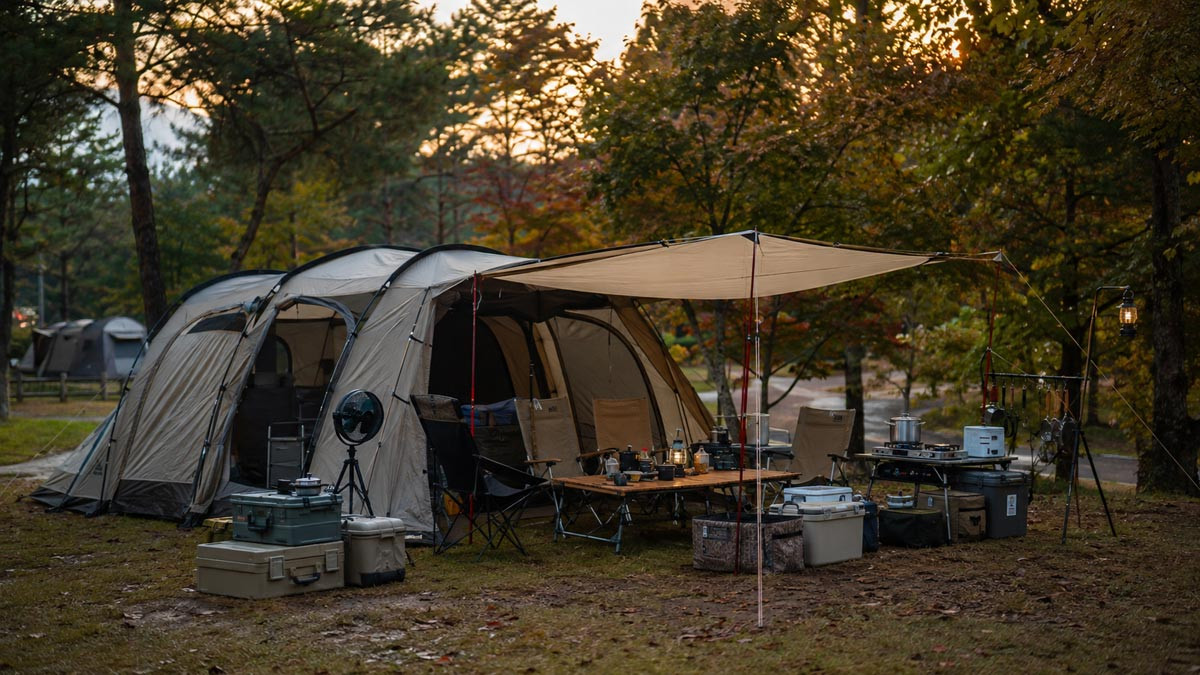
A large tent is only the beginning. You may also see folding tables, organized storage boxes, lantern stands, rechargeable fans, electric mats, compact refrigerators, cooking systems, rugs, shelves, extension cords, and several carefully arranged chairs. By the time everything is set up, a single campsite can look like a small outdoor home.
Why do Korean campers bring so much gear?
The short answer is that Korean camping is often less about escaping everyday comfort and more about recreating it outdoors. Limited vacation time, car-centered travel, seasonal weather, visually organized campsites, and Korea’s strong outdoor-equipment market have all contributed to this gear-heavy style.
I’m K-papa, a camper and creator living in Korea. From what I have seen, most Korean campers are not carrying extra equipment simply to impress the people staying next door. Much of that gear reflects how camping fits into Korean family life—and what people expect from a precious weekend away.
Korean Camping Is Often a Complete Weekend Activity
In countries with easy access to forests and public land, camping may be only one part of a larger trip. Travelers might pitch a small tent after hiking, sleep for the night, and continue moving the next morning.
Korean campground trips are often more destination-focused.
A family may arrive in the early afternoon, spend most of the weekend at its assigned site, and leave after lunch the following day. Meals, coffee, conversation, children’s activities, and relaxation all happen within a relatively compact area.
The campsite therefore needs to serve several purposes:
- A kitchen for preparing multiple meals
- A dining room for the family
- A living area for conversation
- A bedroom at night
- A play space for children
- A sheltered retreat during rain or intense sun
Once one space has to perform all those jobs, additional equipment begins to feel less excessive.
A table is not merely a place to put down a cup. It may hold breakfast, cooking ingredients, a gas stove, dishes, and a lantern later that evening. A tarp or shelter is not only decorative; it can determine whether the family enjoys the weekend or spends half of it hiding inside the car.
Comfort Is Part of the Goal, Not a Camping Failure
Some Western outdoor traditions place a high value on carrying less. Lightweight equipment, simple meals, and the ability to travel with only the essentials can be part of the challenge.
That philosophy certainly exists in Korea. Backpacking, hiking, bicycle camping, and minimalist solo camping all have dedicated communities here.
However, the mainstream family-camping scene often follows a different idea: if everyone is giving up the convenience of home for the weekend, the campsite should still be comfortable enough for the family to enjoy staying there.
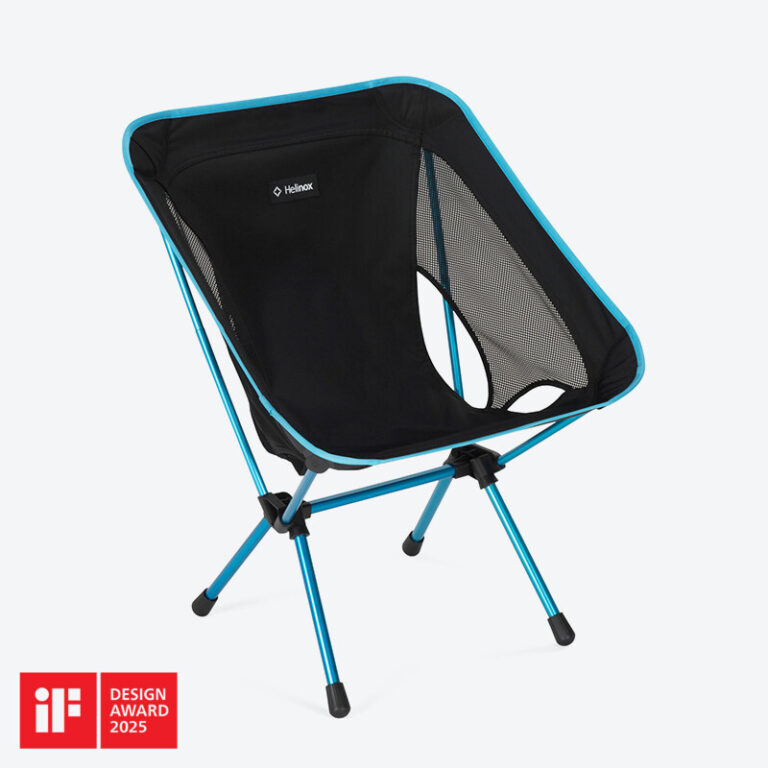
That can mean proper chairs instead of sitting on the ground, a thick sleeping mat instead of a thin foam pad, and a well-protected cooking area instead of a single small burner exposed to the weather.
As K-papa, I do not think one approach is automatically more authentic than the other. Minimal camping can feel wonderfully free, but a comfortable setup makes sense when children, cold nights, long meals, and unpredictable weather are involved.
The problem begins when comfort gear creates more work than comfort.
I have seen how easily preparation can expand. One useful table leads to a storage rack. The rack needs containers. The containers need organizers. Before long, the first hour outdoors is spent assembling the outdoor version of a living room.
That is when Korean camping becomes both impressive and slightly exhausting.
Korea’s Apartment Lifestyle Changes What People Want Outdoors
Most Koreans live in cities, and a large share of the population lives in apartments. Even a comfortable apartment may provide limited private outdoor space.
There may be no large backyard for cooking, no personal fire pit, and no permanent outdoor dining area. Apartment residents must also consider neighbors, smoke, noise, and building rules.
A campground offers something that is difficult to reproduce at home: a private-looking outdoor zone where the family can cook, sit together, enjoy the weather, and stay late into the evening.
Camping equipment helps define that temporary personal space.
A shelter creates a roof. A rug defines the floor. Tables and shelves establish separate cooking and dining zones. Lanterns change the atmosphere after sunset. Wind screens and fabric panels add privacy.
This explains why some Korean campsites look more furnished than people overseas expect. Campers are not only preparing to sleep outside. For one weekend, they are building the outdoor room their apartment does not have.
Car Camping Makes Heavy Equipment Possible
Gear-heavy camping would be far less common if most campers had to carry everything on their backs.
In Korea, many family campgrounds are designed around car access. Depending on the facility, visitors may park directly beside the site or unload relatively close to it. This makes heavy tents, large coolers, folding furniture, and multiple storage boxes practical.
The vehicle becomes part of the camping system.
Instead of asking, “Can I carry this for ten kilometers?” campers may ask, “Will this fit in the trunk?”
That small change creates an entirely different equipment culture.
A 5 kg table may be unreasonable for a backpacker but perfectly acceptable when it travels from an apartment elevator to a parking garage and then from the car to the campsite. The same logic applies to large air tents, thick mattresses, powered coolers, and multi-burner cooking equipment.
Car size can even influence equipment choices. Some campers carefully select stackable boxes and folding products that fit into a specific SUV or minivan configuration.
Packing the car becomes its own skill—and occasionally a three-dimensional puzzle no one remembers agreeing to play.
Korean Campers Prepare for Dramatic Seasonal Changes
Korea has four distinct seasons, and each one creates a different packing list.
Summer can be hot, humid, and rainy. Campers may bring rechargeable fans, shade shelters, waterproof ground sheets, insect-control equipment, and extra towels.
Winter demands an entirely different system. Insulated mats, safe heating equipment, warm bedding, wind protection, and condensation management become important. Spring can bring fine dust and large temperature swings, while autumn days may be pleasant but significantly colder after sunset.
This seasonal variation encourages campers to own specialized gear rather than one universal setup.
A compact summer arrangement may not be comfortable in late fall. A spacious winter shelter may feel unnecessary in July. Someone who camps throughout the year can gradually accumulate equipment for heat, cold, rain, wind, insects, and ground moisture.
From the outside, this collection may look excessive. From the owner’s perspective, each item probably solved a specific problem during a previous trip.
That is one of the most powerful forces behind gear accumulation: uncomfortable memories.
After one rainy night, a camper buys a better tarp. After waking up cold, the sleeping system becomes thicker. After fighting mosquitoes, another electronic device appears in the storage box.
Camping gear often grows one lesson at a time.
Food Is a Major Part of the Korean Camping Experience
Korean camping meals are rarely limited to sandwiches and instant oatmeal.
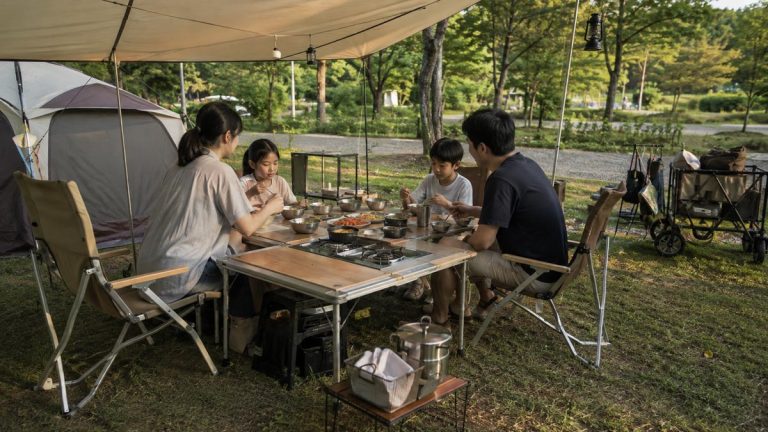
Campers may prepare grilled pork belly, stew, noodles, rice, seafood, fried dishes, snacks, fruit, and late-night food. Coffee equipment can occupy its own section of the table.
These meals require more than a single pot.
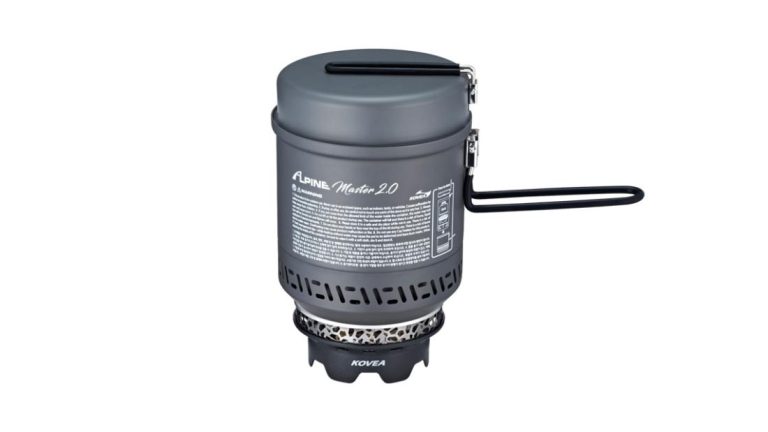
Depending on the menu, campers may pack burners, grills, cookware, knives, cutting boards, water containers, coolers, dish racks, seasoning boxes, and separate tables for preparation and eating.
Food also has a social role. Cooking together gives families and friends something to do, and a long meal naturally extends the evening. The process is part of the entertainment rather than an interruption to it.
This is one reason Korean camping equipment often includes modular table systems. A table may have spaces for a stove, hanging accessories, storage baskets, and connected side units. It is closer to a configurable outdoor kitchen than a basic picnic table.
For international visitors, this can be one of the most enjoyable aspects of camping in Korea. Just remember that an ambitious menu creates an equally ambitious cleanup.
Organization Is Almost a Hobby of Its Own
Korean campers do not merely bring many items. Experienced campers often organize those items with remarkable precision.
You may see matching storage boxes, labeled pouches, hanging organizers, coordinated table systems, and dedicated cases for almost every tool. Small objects are kept off the ground, and equipment is arranged so that frequently used items remain within reach.
There is a practical reason for this. A crowded site becomes frustrating when no one can find the lighter, trash bags, or coffee filter.
There is also an aesthetic reason.
For many campers, designing the campsite is part of the pleasure. Colors, materials, lighting, furniture height, and equipment style are selected to create a consistent atmosphere. A warm wood-toned setup feels different from a black tactical arrangement or a bright minimalist campsite.
Social media has strengthened this interest, but it did not create the entire culture. Korean consumers already have a strong appreciation for neatly organized living spaces and thoughtfully designed products. Camping simply moves that interest outdoors.
Korea Has a Deep Market for Specialized Camping Gear
Korean campers can choose from a surprisingly broad range of domestic and imported equipment.
Brands produce specialized products for cooking, lighting, storage, heating, sleeping, and shelter building. Once campers enter this market, they quickly discover that almost every small inconvenience has a product designed to solve it.
Need a hook for a lantern? There is a dedicated hanger.
Need to connect a stove to a table system? There may be a compatible insert.
Need to stop small kitchen tools from rolling around? Someone has already designed an organizer.
This can improve convenience, but it also encourages what Korean campers sometimes call an “equipment disease”—the recurring urge to buy one more item that promises to complete the setup.
The expression is humorous because most experienced campers recognize the pattern. The imagined “final piece” rarely remains final for long.
Camping Gear Can Signal Personal Taste
Camping equipment in Korea can function a little like home décor, clothing, or a carefully chosen car. It communicates taste.
Some campers prefer established premium brands. Others enjoy discovering smaller Korean manufacturers or combining affordable equipment into an efficient setup. There are campers devoted to ultralight gear, vintage-style furniture, military-inspired designs, or soft neutral colors.
This does not mean everyone is competing over price.
A well-organized affordable campsite can attract as much attention as an expensive one. What often matters is whether the equipment appears intentional and works well together.
Still, comparison is difficult to avoid when campsites are close together and outdoor setups are visible to everyone. New campers may feel that they need more equipment simply because neighboring sites look fully furnished.
That pressure is worth resisting. The best campsite is the one that supports the way you actually spend time outdoors—not the one with the longest equipment list.
Families Pack for Several People, Not Just One Camper
A solo camper can accept a certain amount of inconvenience. Parents usually have less freedom to do so.
Children may need additional bedding, clothing, snacks, lighting, games, chairs, and protection from changing weather. Parents may also pack backup items because replacing something at a remote campground is not always convenient.
The same applies when camping with older family members or guests who are not experienced outdoors. A comfortable chair or warmer sleeping setup may determine whether they want to return.
This is an important distinction when judging Korean campsites from a photo. What looks like one enormous setup may support four or five people with different needs.
The amount of equipment is not always about luxury. Sometimes it is simply the result of packing for an entire household.
The Hidden Cost of Bringing Everything
The fully equipped Korean camping style has clear advantages. It can turn an ordinary campsite into a comfortable space for cooking, resting, and spending time together.
But there are real disadvantages:
- More time is required for packing and loading.
- Larger equipment may require a bigger vehicle.
- Setup can consume the first part of the trip.
- Wet gear needs space to dry after returning home.
- Equipment must be cleaned and stored in an apartment.
- Buying specialized products can become expensive.
- Breaking camp may feel like moving out of a small house.
Storage is especially important in Korea. Apartment closets and balconies are limited, and large tents or folding furniture do not disappear when the weekend ends.
Some campers rent storage units or keep equipment in their cars. Others eventually reduce their collections after realizing they use only half of what they own.
In my view, this is where experience changes a camper. Beginners often add equipment because they are worried about what might go wrong. More experienced campers become better at identifying what genuinely improves the trip.
Is Korean Camping Becoming More Minimal?
There is growing interest in simpler setups.
Solo camping, compact car camping, backpacking, and short “picnic camping” trips appeal to people who do not want to spend hours loading and unloading equipment. Lightweight shelters and multifunctional furniture also make it possible to stay comfortable with fewer items.
Economic considerations matter as well. Premium equipment can be expensive, and many campers now question whether another specialized accessory will meaningfully improve their time outside.
However, large family setups are unlikely to disappear. They fit Korea’s campground infrastructure, food culture, car travel, and desire for comfortable weekend experiences too well.
The future of Korean camping may not be purely minimal or maximal. It will probably include both: elaborate outdoor living rooms on one site and a single compact tent on the next.
What International Campers Can Learn From Korea
International visitors do not need to copy a fully equipped Korean campsite. Still, there are useful lessons in this style of camping.
First, comfort can help more people enjoy the outdoors. Camping does not have to be intentionally uncomfortable to be meaningful.
Second, organization matters. A smaller collection of well-arranged equipment is often more useful than a large pile of gear.
Third, the campsite should match the trip. A family staying in one location for three nights has different needs from a solo traveler who moves every morning.
Finally, equipment should support the experience rather than become the experience itself.
That is the balance I keep coming back to as K-papa. I enjoy seeing a campsite become comfortable and welcoming, especially when family meals and long conversations are part of the plan. At the same time, every additional box must eventually be packed, carried, cleaned, and returned to storage.
The chair you truly relax in is worth bringing. The accessory that stays inside its case all weekend probably is not.
Why Korean Campers Bring So Much Gear
Korean campers bring so much gear because their campsites often function as complete temporary homes. Apartment living creates demand for private outdoor space, car access makes heavy equipment practical, changing seasons require specialized preparation, and elaborate meals need real cooking systems.
Family comfort, organization, design, and Korea’s active camping market add even more equipment to the list.
It may look excessive to a minimalist camper, but it makes sense within the way many Koreans use campgrounds: not merely as places to sleep, but as destinations where an entire weekend unfolds.
The most useful lesson is not that everyone should bring more.
It is that every item should earn its place in the car.