
How Are Korean Noodles Different from Ramyeon? From Seafood Kalguksu to Janchi Guksu
In Korea, saying, “Let’s eat guksu,” does not mean the same thing as suggesting that we cook ramyeon.
I usually eat ramyeon more often than guksu. Ramyeon is convenient to prepare and can be cooked quickly whenever I crave it. However, when I eat guksu, I feel as though I am having a more carefully prepared dish than instant ramyeon.
Broth made by simmering ingredients such as dried anchovies or kelp has a different flavor from broth made with packaged ramyeon seasoning. To me, guksu tastes less intense than ramyeon, and I enjoy being able to taste the natural ingredients used in the broth.
That does not mean every kind of guksu is necessarily healthier than ramyeon. Depending on the broth and seasoning, a noodle dish can still contain a significant amount of sodium or sugar. The difference I am describing is more about how the meal tastes and feels to me than a nutritional judgment.

How Are Guksu and Ramyeon Different in Korea?
English speakers may describe all Korean noodle dishes simply as “Korean noodles.” In Korea, however, guksu and ramyeon are generally considered different types of food.
Ramyeon usually refers to a packaged product containing noodles and powdered or liquid seasoning. The preparation is relatively standardized, and the flavor and level of spiciness depend largely on the product you choose. In Korea, people commonly eat ramyeon at home, convenience stores, casual snack restaurants, and campsites.
Guksu, on the other hand, is not one particular product. It is a broad Korean term that covers many different noodle dishes.
The noodles may be served in warm broth or mixed with a cold or spicy sauce. Different noodles, broths, toppings, and seasonings create dishes such as janchi guksu, kalguksu, and bibim guksu.
If someone in Korea says, “I feel like eating guksu today,” you may need to ask which kind because there are so many choices.
Korean Noodles Can Be Spicy or Mild
Someone unfamiliar with Korean food may assume that most Korean noodle dishes are red and spicy. However, guksu can generally be divided into spicy and non-spicy varieties.
One of the milder options is janchi guksu, which is commonly made with broth containing ingredients such as dried anchovies or kelp. Kalguksu is another type, made with relatively wide, thick noodles traditionally cut with a knife. When ingredients such as clams, octopus, and other seafood are added, it becomes seafood kalguksu.
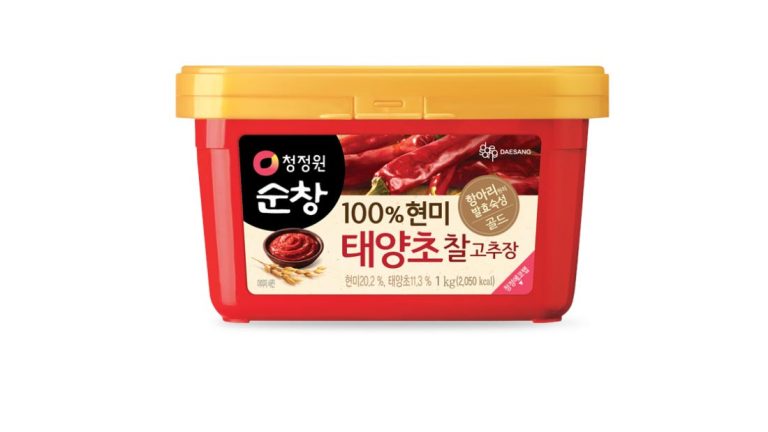
Bibim guksu is one of the spicy varieties. It is often made by mixing cooked noodles with a gochujang-based sauce without broth. Its flavor can be sweet, tangy, and spicy, although the sauce differs between households and restaurants.
Even dishes with the same name can have different broths and toppings depending on the region, restaurant, or family preparing them. For example, janchi guksu may be topped with thin egg strips, zucchini, carrots, and crushed seaweed, but not every bowl comes with exactly the same toppings.
My Favorite Korean Noodle Dish Is Seafood Kalguksu
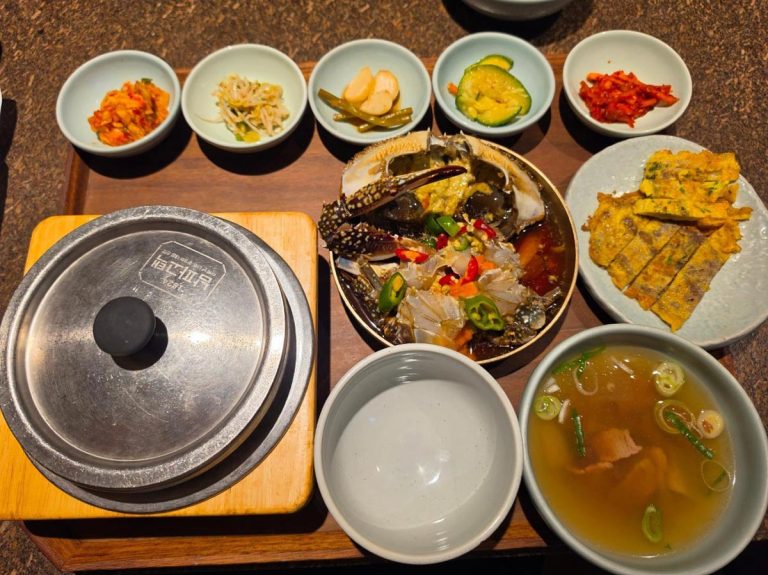
Of the many kinds of Korean noodles, my personal favorite is the seafood kalguksu shown in the photo. When seafood kalguksu contains plenty of octopus and other seafood, part of the enjoyment comes from picking out and eating the individual ingredients—not just the noodles.
From my experience, I recommend eating the seafood first when the kalguksu arrives. Picking out the octopus and other seafood from the hot broth before moving on to the noodles allows you to enjoy the dish in several stages.
I like dipping the seafood in Korean chogochujang. Chogochujang is a red dipping sauce made with gochujang and additional sweet and tangy flavors. It pairs well with seafood, but anyone unfamiliar with spicy food should dip only a small piece at first rather than coating the seafood in too much sauce.

Seafood kalguksu with the octopus and other seafood clearly visible
After eating some of the seafood, I move on to the noodles and broth. At the restaurant where I ate the seafood kalguksu shown in the photo, we could also order fried rice after finishing the noodles. Ending the meal with fried rice makes me feel as though I have completed the full dining experience rather than stopping with the noodles.
However, not every seafood kalguksu restaurant offers fried rice. If you want to finish your meal this way, ask the restaurant whether it is available before ordering.
A noodle dish containing a lot of seafood is not particularly simple to prepare at home. Several kinds of seafood may need to be purchased, cleaned, and prepared. For that reason, I usually eat seafood kalguksu at a restaurant and make simpler dishes such as janchi guksu or bibim guksu at home.
Where Do People Eat Guksu in Korea?
Guksu is not limited to special occasions or particular places. People make it at home as a simple meal, but it is also available at traditional markets, casual snack restaurants, and restaurants specializing in noodles.
Because of its name, janchi guksu may sound like a dish eaten only at weddings or large celebrations. However, people in Korea today also eat it on ordinary days without a special event. It can be served as lunch or dinner, and people sometimes order a bowl to share after eating another dish.
Kalguksu is commonly found at restaurants specializing in noodles. Varieties containing many ingredients, such as seafood kalguksu, may be served in a large pot containing several portions. Families or groups can share the same pot at the table.
Kimchi is commonly served with Korean noodles. Taking a bite of kimchi between spoonfuls of mild janchi guksu or kalguksu creates a noticeable contrast with the warm broth. The spiciness and level of fermentation vary between restaurants and households, so anyone unfamiliar with spicy food may want to try a small piece first.
Janchi Guksu Is Easy to Make at Home
Noodle dishes containing a lot of seafood can take time to prepare and clean, but janchi guksu is relatively simple to make. I also cook it at home from time to time.
Warm broth is an important part of janchi guksu. At home, you can make the broth by simmering dried anchovies and kelp. These days, however, solid broth tablets shaped like coins or pills are also widely available in Korea. They are usually called “coin broth” or sold under names that mean “one broth tablet.”
Adding a coin broth tablet to boiling water allows you to make a flavorful broth without preparing dried anchovies and kelp separately. It can be a convenient option for someone who lacks confidence in the kitchen or is making Korean broth for the first time.
Ingredients, salt levels, and recommended amounts of water vary by product, so check the directions on the package first. Some products may contain anchovies or other seafood ingredients. Anyone with a fish allergy or following a vegetarian diet should also check the ingredient list.
An Easy Janchi Guksu Recipe for Beginners

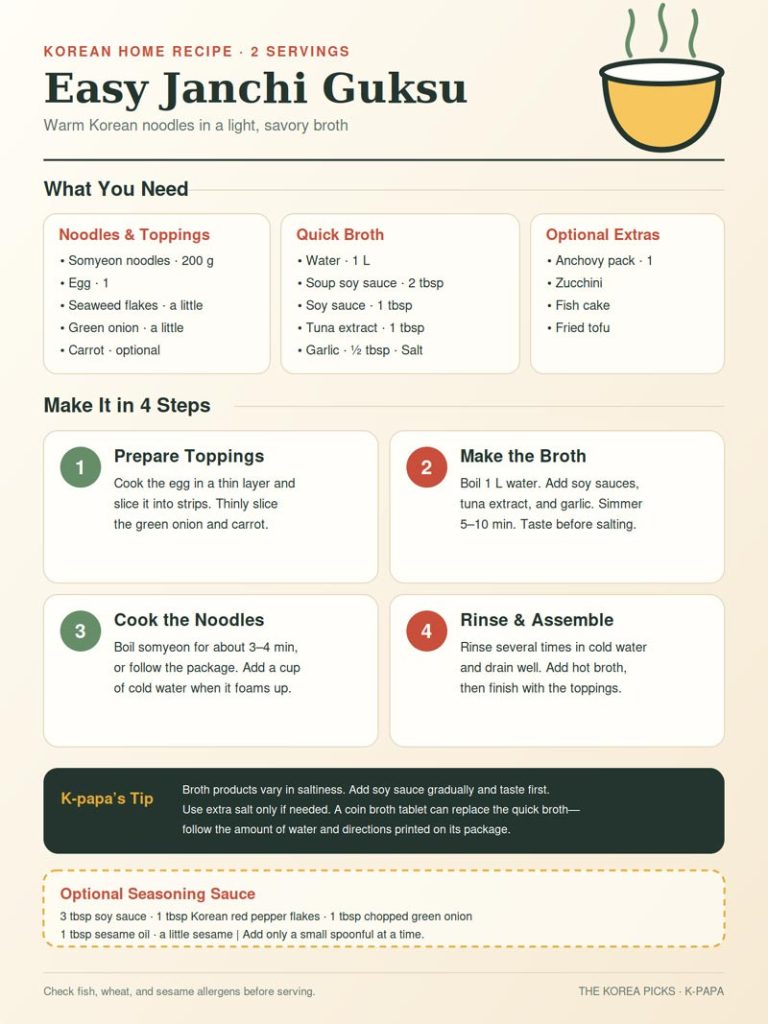
This is a simple version of janchi guksu that I use as a starting point when making it at home. It makes two servings and does not require simmering dried anchovies for a long time.
Ingredients for Two Servings
Noodles and toppings
- 200 g somyeon, or thin wheat noodles
- 1 egg
- A small amount of crushed roasted seaweed
- A small amount of green onion
- A little carrot — optional
For the broth
- 1 L water
- 2 tablespoons Korean soup soy sauce
- 1 tablespoon regular soy sauce
- 1 tablespoon tuna extract
- ½ tablespoon minced garlic
- A small amount of salt
You can also add zucchini, fried tofu, fish cake, or other toppings you have at home.
1. Prepare the Toppings
Cook the egg in a thin layer and slice it into narrow strips. Thinly slice the green onion and carrot. You do not need many toppings—when I make guksu at home, I often use whatever ingredients we already have.
2. Make the Broth
Bring 1 L of water to a boil. Add the Korean soup soy sauce, regular soy sauce, tuna extract, and minced garlic, then simmer for about 5 to 10 minutes.
Because soy sauce and tuna extract vary in saltiness, I recommend starting with slightly less seasoning and adding more after tasting.
If you have the type of coin broth I normally use, you can use it instead. Follow the amount of water recommended on the package and adjust the seasoning after tasting the broth.
3. Cook the Somyeon
Cook 200 g of somyeon in a separate pot according to the package directions, usually for about 3 to 4 minutes.
Once cooked, rinse the noodles several times in cold water while gently rubbing them with your hands. This removes excess starch and helps keep the noodles from becoming too sticky. Drain them thoroughly.
4. Assemble the Bowls
Divide the noodles between two bowls and pour the hot broth over them. Add the egg strips, seaweed, green onion, and any other toppings you prepared.
If the cold-rinsed noodles have become too cool, briefly dip them into the hot broth before serving.
Optional Seasoning Sauce
For a stronger and slightly spicy flavor, mix:
- 3 tablespoons regular soy sauce
- 1 tablespoon Korean red pepper flakes
- 1 tablespoon chopped green onion
- 1 tablespoon sesame oil
- A small amount of sesame seeds
Add only a little at first and adjust it to your taste.
One thing I have learned from making janchi guksu at home is that the broth does not need to be heavily seasoned and the toppings do not need to be complicated. A simple broth, well-rinsed noodles, and a few ingredients from the refrigerator are often enough for a satisfying bowl of guksu.
My Family’s Favorite Bibim Guksu—and My Mistake
Of the noodle dishes I make at home, bibim guksu is especially popular with my family. It is made by mixing cooked noodles with gochujang and vegetables, with sesame oil added for flavor. It has a sweet, tangy, and spicy taste.
A little sugar can be added to give the bibim guksu sauce some sweetness. I once added so much sugar that the noodles became too sweet for my family to eat comfortably.
Once too much sugar has been added, it is difficult to reverse the sweetness of the sauce. That experience taught me to add a small amount at a time and keep tasting rather than adding a large amount from the beginning. Since making that mistake, I have started using a little honey instead of sugar.
Even when a recipe provides an exact amount, the flavor of gochujang and other seasonings can differ by product. Everyone also has a different preference for sweetness. If you are making bibim guksu for the first time, adding the sugar gradually at the end can reduce the chance of making it too sweet.
What First-Time Diners Should Know About Korean Noodles
It can be difficult to predict every flavor and ingredient from the name of a Korean noodle dish alone. Checking the following points before ordering can help you choose the right dish.
- Does it come with broth? Janchi guksu and kalguksu contain broth, while bibim guksu is normally mixed with a sauce.
- Is it spicy? Bibim guksu and optional seasoning sauces may contain gochujang or Korean red pepper flakes.
- What is used to make the broth? It may contain dried anchovies, kelp, tuna extract, shellfish, or meat.
- Do the noodles contain wheat? Check for wheat in somyeon and kalguksu noodles.
- Is it vegetarian? Even when only vegetable toppings are visible, the broth may contain dried anchovies or tuna ingredients.
- Are additional dishes available? If you want fried rice after seafood kalguksu, check whether the restaurant offers it.
When seafood kalguksu contains octopus or shell-on seafood, you may need to use your hands or tongs. This can feel slightly inconvenient if you expected a simple bowl of noodles. For me, however, picking out and eating the individual pieces of seafood is part of the enjoyment.

Which Korean Noodle Dish Might Suit You?
If you want a warm broth without much heat, janchi guksu can be a good place to start. If you like seafood and enjoy picking out and eating different ingredients, seafood kalguksu may be more interesting.
If you enjoy sweet, tangy, and spicy sauces, bibim guksu may suit you. On the other hand, if spicy food or the flavor of gochujang feels overwhelming, try using less sauce or begin with a mild dish such as janchi guksu.
Anyone with a seafood allergy or following a vegetarian diet should not rely only on the visible toppings. It is important to check the ingredients used in the broth and seasoning as well.
The Biggest Difference Between Ramyeon and Guksu, in My Experience
Ramyeon is convenient when I want a quick meal on a busy day, and I still eat it more often than guksu. When I eat guksu, however, the combination of broth, noodles, toppings, and kimchi makes the meal feel more varied.
My favorite seafood kalguksu also has a particular order. I first dip the seafood in chogochujang, then eat the noodles and broth, and finish with fried rice when the restaurant offers it. It feels distinctly different from cooking a package of ramyeon—more like a prepared dish than fast food.
If you are curious about Korean noodles but do not know where to begin, try mild janchi guksu first. Choose seafood kalguksu if you enjoy seafood, or try bibim guksu if you are comfortable with spicy food.
After tasting these three dishes, you will naturally understand why the Korean word “guksu” cannot be explained by ramyeon alone.
FAQ
Are Guksu and Ramyeon the Same Food in Korea?
No. Ramyeon generally refers to a packaged product containing noodles and seasoning, while guksu is a broad term that includes many noodle dishes, such as janchi guksu, kalguksu, and bibim guksu.
Are All Korean Noodle Dishes Spicy?
No. Some varieties, such as bibim guksu, are spicy, while janchi guksu and some types of kalguksu do not use red chili seasoning. However, the broth and seasoning can vary between restaurants and households.
What Is Coin Broth?
Coin broth is a solid cooking product designed to make broth when added to boiling water. In Korea, these products are commonly called “coin broth” or “one broth tablet.” Ingredients and salt levels vary, so check the information on the package.
Is Janchi Guksu Vegetarian?
Not always. Many versions use dried anchovy broth or tuna extract, so anyone following a vegetarian diet should check the ingredients used in the broth and seasoning.