Korean Banchan Culture: Why So Many Dishes Are Served at One Meal
Foreign visitors encountering Korean banchan culture for the first time may begin by counting the number of dishes on an ordinary Korean dining table. In addition to rice and soup, the table is often filled with small bowls of kimchi, seasoned vegetables, stir-fried dishes, and braised foods. However, for someone like me, who was born in Korea and still lives here, this kind of table has long been an unremarkable part of everyday life.
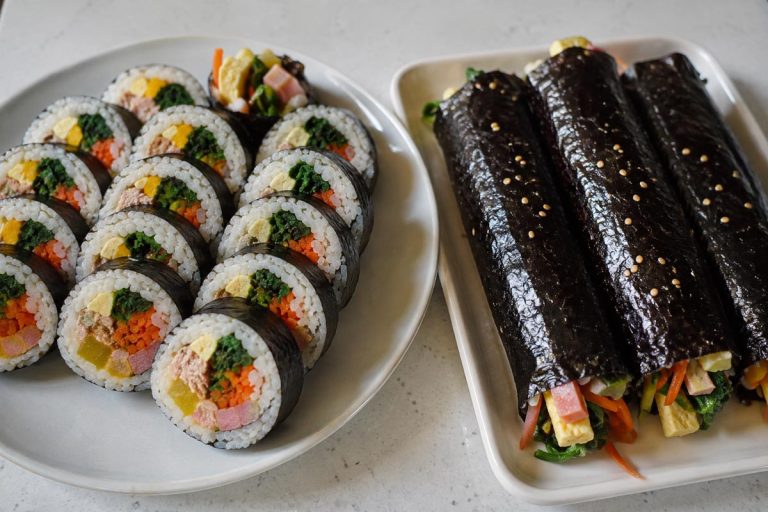
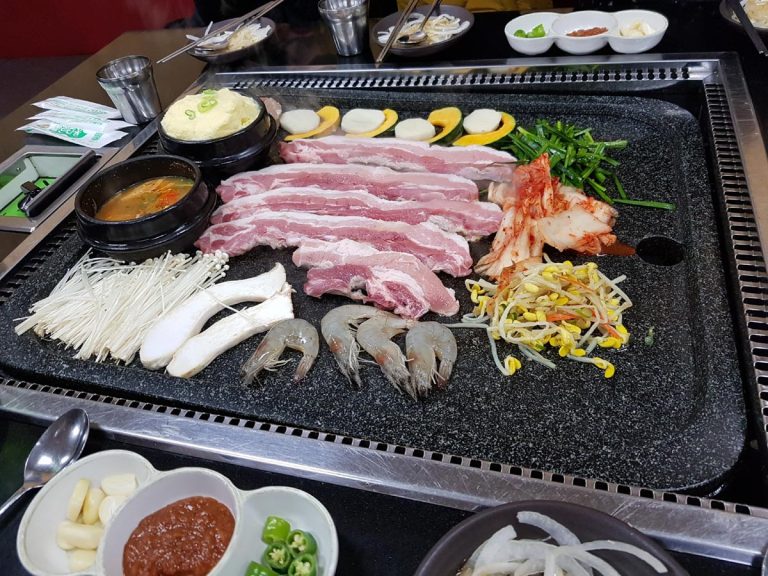
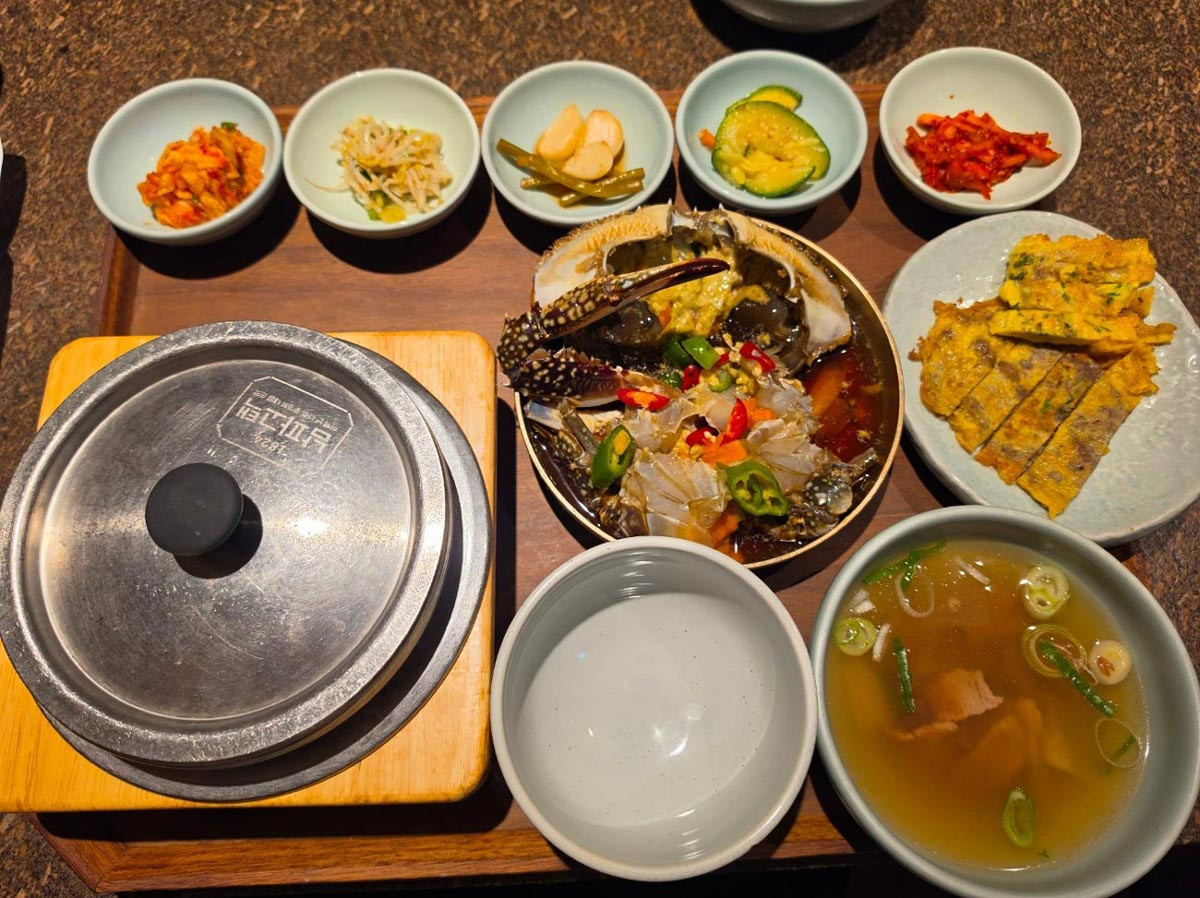
I took all six photographs used in this article myself. Some show meals my family actually ate at home, while others were taken at Korean restaurants. The types of food and number of dishes vary from photo to photo, but they all have one thing in common: several banchan dishes are naturally served together with the meal.
To readers overseas, this scene may look unfamiliar and refreshing. So what exactly is banchan in Korean food culture, and why do Koreans eat several different foods in a single meal?
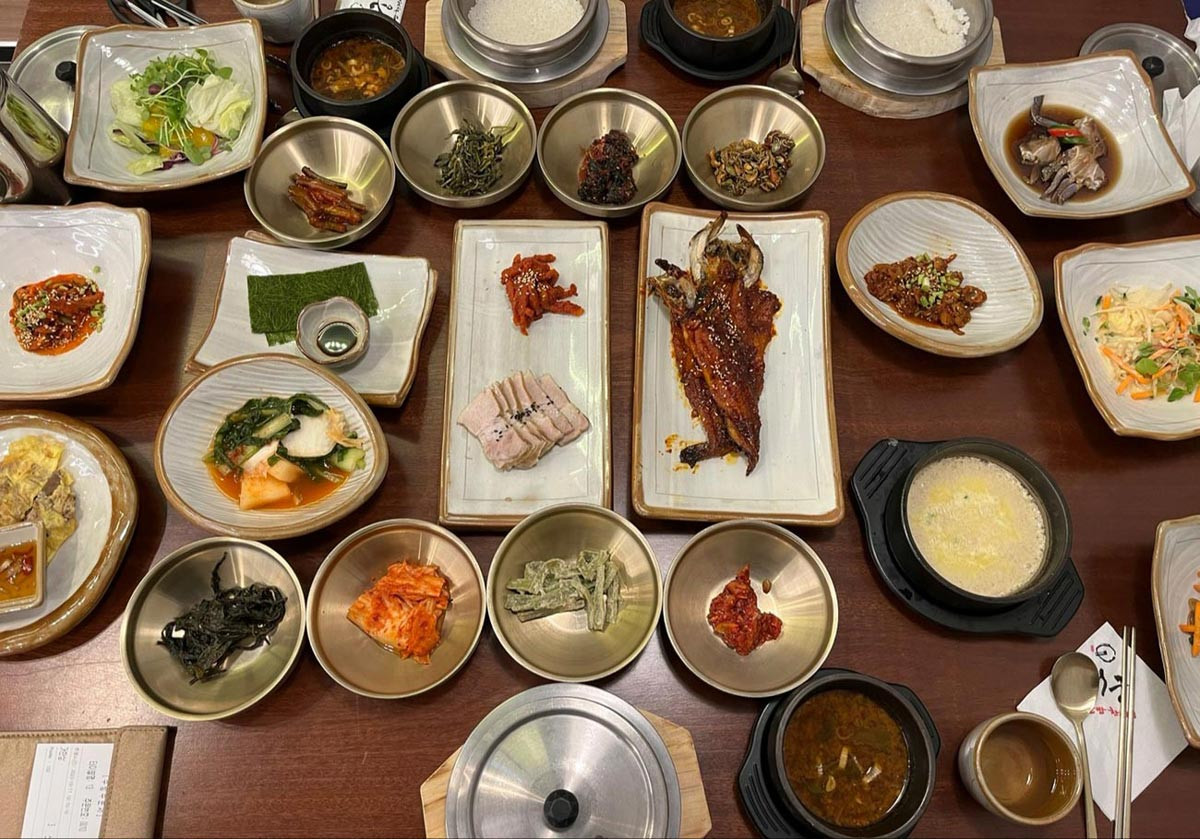
Banchan Are Small Dishes Served with Rice
Banchan is usually translated into English as “side dishes.” The basic meaning is similar, but describing banchan simply as secondary dishes served beside a main course does not fully explain the role it plays at a Korean dining table.
Rice is Korea’s staple food, and it forms the center of many meals. Banchan refers to the various foods eaten alongside that rice. Some, such as kimchi, may be eaten uncooked or fermented. Others include seasoned or stir-fried vegetables, dishes made with eggs or tofu, and cooked meat or fish.
However, not every Korean meal includes a large number of side dishes. Each household regularly prepares different foods, and the number of banchan can also vary depending on the number of people eating and their lifestyle. Sometimes a simple meal may consist of rice, kimchi, and only one or two other side dishes. Families may prepare more food than usual when eating together or welcoming guests.
Therefore, the important point when understanding Korean banchan culture is not the exact number of dishes on the table. It is better understood as a way of eating small amounts of several different foods together, with rice at the center of the meal.
You Do Not Finish One Side Dish Before Moving to the Next
At a Korean dining table, people do not eat the different side dishes one by one in a set order. Someone might eat a spoonful of rice followed by kimchi, try a little of another side dish, and then have some soup. Even the same banchan can feel different depending on whether it is eaten with rice, soup, or another food.
Rice and soup are often served in individual bowls, while banchan is commonly placed in the middle of the table and shared. The way people serve themselves may differ depending on the household, restaurant, and people eating together. Some diners transfer food to individual plates for hygiene or according to personal preference.
If you are trying Korean food for the first time, you do not need to think of each banchan as a separate course. Simply choose the dishes you like and enjoy small amounts of them with your rice.
How Are Korean Home Meals Different from Restaurant Meals?
The photographs I took include meals from both my home and Korean restaurants. The banchan served in these two places differs in type, quantity, and presentation. However, the basic arrangement—rice served alongside several other foods—is similar.
Banchan in Korean Homes
At home, Koreans do not prepare every side dish from scratch for every meal. Some banchan is prepared in advance, refrigerated, and served in small portions over several days. Other foods are eaten immediately after they are cooked. Frequently served dishes such as kimchi may also be added to the table.
Meals in my home are not always arranged like the abundant Korean set meals often seen in photographs. Some days, we have several side dishes. On days when we want a simple meal, there are fewer. This is actually much closer to the reality of Korean home cooking as I have experienced it.
If there are already several prepared side dishes at home, a meal can be completed simply by adding rice, soup, or an uncomplicated main dish. On the other hand, when we run out of a side dish that my family enjoys, the table can feel emptier than usual.
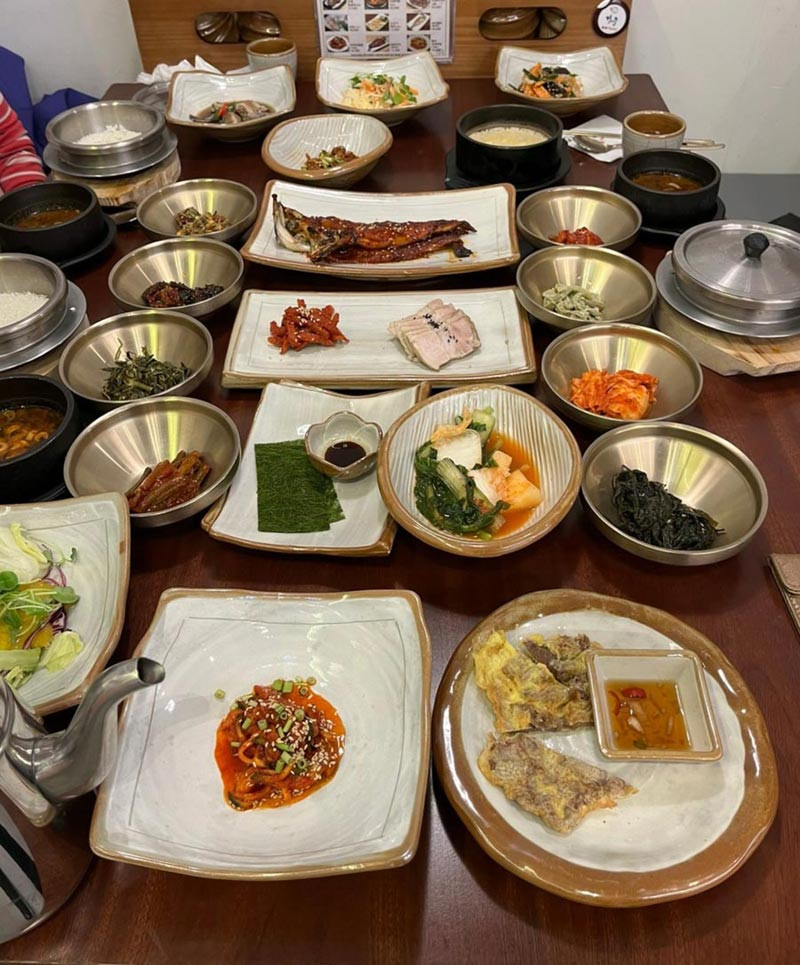
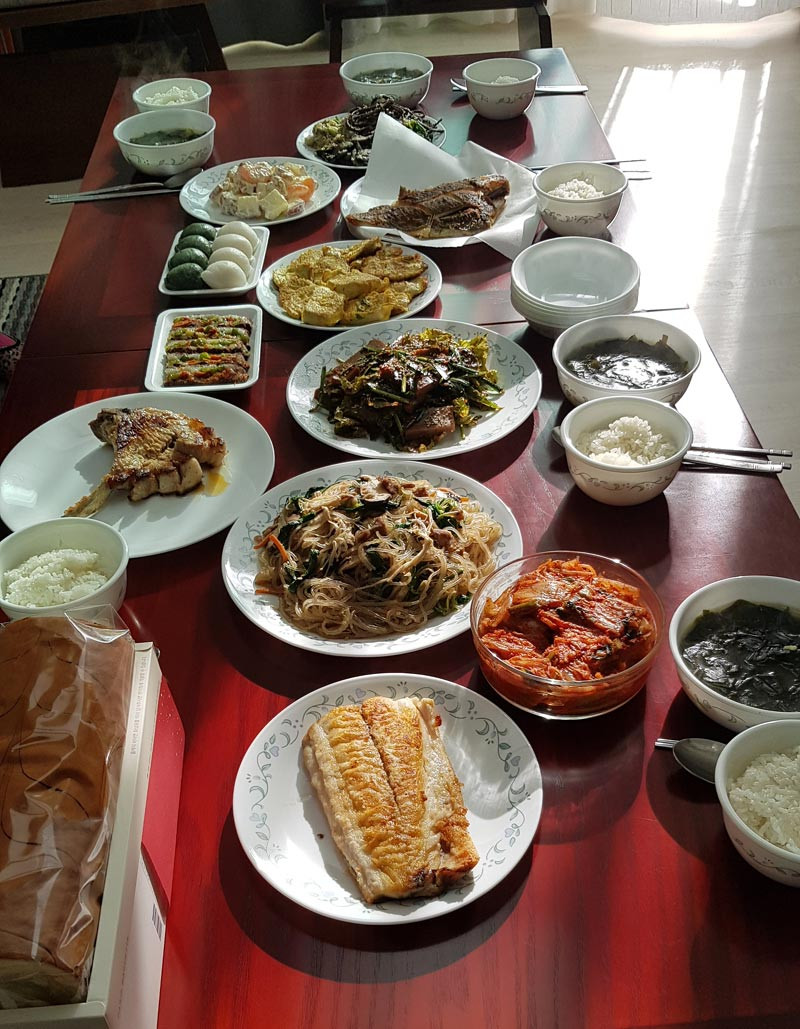
The photo on the left shows a meal from a restaurant, while the photo on the right shows a meal from our home.
Banchan at Korean Restaurants
At many Korean restaurants, several side dishes are served with the main dish you order. The specific banchan provided depends on the type of restaurant, its menu, region, season, and operating style. You may receive familiar dishes such as kimchi and seasoned vegetables, or the restaurant may serve banchan prepared using its own recipes.
International visitors may be surprised when several small plates they did not order arrive at the same time. These side dishes are usually provided as part of the meal and are intended to be eaten with the food that was ordered. Some restaurants offer additional servings or operate self-service banchan stations. However, the same rule does not apply to every dish or every restaurant. If you would like more, the most reliable approach is to ask a staff member whether a refill is available.
Restaurant banchan does more than simply increase the number of foods on the table. It adds different flavors between bites of a spicy or rich main dish and allows diners to enjoy different combinations of rice, banchan, and the main food.
Sometimes I Choose a Restaurant Because of Its Banchan
Some people in Korea consider the banchan just as important as the main menu when choosing a restaurant. I also return to certain restaurants because of their side dishes.
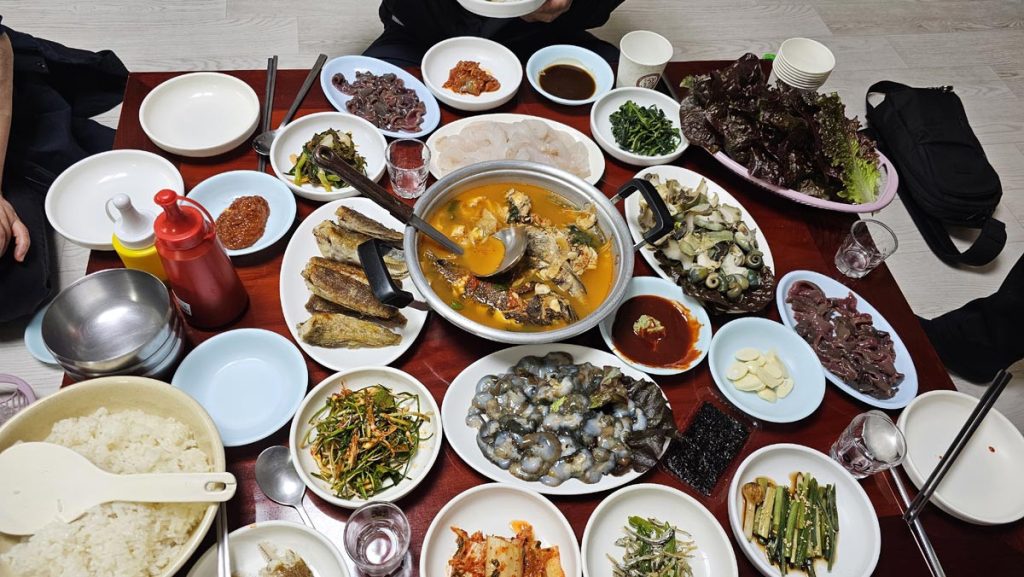
For example, there is a restaurant where the kimchi served with the meal remains more memorable than the kalguksu itself. It is a seafood kalguksu restaurant in Incheon, where my sister-in-law lives. The kalguksu is delicious, but the freshly seasoned kimchi, known as geotjeori, tastes so good that I sometimes return to the restaurant because of it. Kalguksu may be listed as the star of the menu, but the food that makes customers remember the restaurant can sometimes be its kimchi.
At a restaurant with excellent banchan, anticipation can begin even before the main dish arrives. In contrast, even if the main food is good, side dishes that do not suit my taste can leave me with a different impression of the overall meal. This is not an objective way to evaluate a restaurant. It is simply my personal way of choosing where to eat after spending many years eating rice and banchan together in Korea.
A Way to Enjoy Different Ingredients at One Table
One advantage of banchan is that a single meal can include a variety of ingredients and cooking methods. Seasoned or stir-fried vegetables, dishes made with beans or tofu, and side dishes containing eggs, meat, or fish can all appear on the same table.
However, the presence of many side dishes does not automatically mean that every Korean meal is nutritionally balanced. It depends on the ingredients used, how they are prepared, and how much of each food a person eats. Some banchan, including kimchi, pickled vegetables, and braised dishes, can be salty. Portions should therefore be adjusted according to an individual’s health and eating habits.
I do not like banchan because I can make definite claims about its health benefits. I like it because I can choose small amounts of different ingredients and flavors, and because the same bowl of rice can make each meal feel different depending on the banchan served with it.
Is More Banchan Always Better?
Photographs introducing Korean meals often show tables completely covered with dishes. Looking only at these images, someone might assume that Koreans prepare many different kinds of banchan every day. Real life, however, is much more varied.
Preparing several side dishes requires time to clean, cut, and cook the ingredients. Leftovers must be stored properly, and uneaten banchan may remain in the refrigerator for too long. For small households or people who eat at home less often, making many side dishes at once can become a burden.
In my home, however, we sometimes give leftover banchan a second life by turning it into another dish instead of throwing it away. For example, if we have leftover holiday food—especially jeon, or Korean savory pancakes—we may use it to make a stew.
Still, having more banchan does not necessarily make a meal better. Even if there are only a few dishes, they can make a satisfying meal as long as they go well with the rice and the people at the table enjoy them. A table filled with many side dishes is one expression of Korean banchan culture, but it does not represent the everyday meals of every Korean household.
What Foreign Visitors Should Know When Trying Korean Banchan
If you are trying banchan for the first time at a Korean restaurant or in someone’s home, there are several things that can make the experience more comfortable.
First, you do not have to eat every side dish. Taste a small amount, choose the ones you like, and enjoy them with your rice.
Second, not every red-colored banchan has the same level of spiciness. It can be difficult to judge how spicy a dish is based only on its color. If you are not accustomed to spicy food, ask first or begin with a very small amount.
Third, a side dish that appears to be made entirely from vegetables is not necessarily vegetarian. Fish, seafood, or other animal-derived ingredients may be used in the seasoning or broth. If you follow a vegetarian diet or have a food allergy, you should check the ingredients.
Fourth, fermented foods may have unfamiliar aromas or sour flavors. Instead of eating a large portion at once, try a small amount with rice or another dish. This can make the flavor easier to understand.
Finally, banchan service differs from one restaurant to another. If you would like an additional serving, it is better to ask a staff member rather than assume that every refill is free.
Banchan Is Different in Every Home
It is difficult to explain Korean banchan culture as if it were a single, standardized meal. The side dishes people eat regularly depend on where they grew up, which foods their family enjoys, and who does the cooking. Even banchan with the same name can be seasoned or prepared differently from one household to another.
Generational differences and changing lifestyles also have an influence. Some households prepare several side dishes themselves, while others buy only what they need from supermarkets or specialized banchan shops. On days when people order delivery food or use ready-made meals, they may add kimchi or a few side dishes that are already at home.
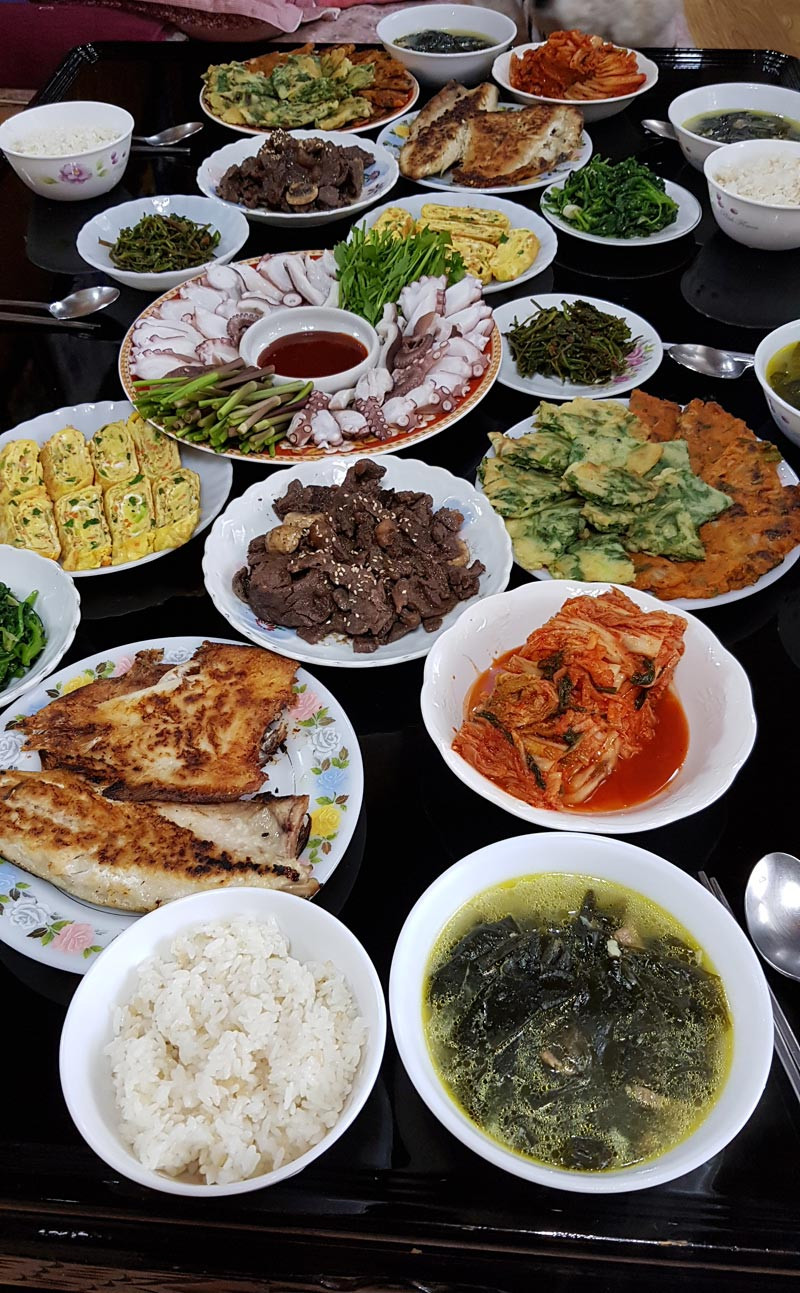
My six photographs are not intended to show a “standard Korean dining table.” They are records of meals actually eaten by one person living in Korea and his family, along with tables at restaurants I have visited. I believe these personal photographs show more clearly how Korean banchan culture appears in everyday life.
Why Banchan Feels Both Ordinary and Precious to Me
For a long time, I considered a table with banchan so familiar that I rarely thought of it as something that needed a special name. Seeing kimchi and other small dishes beside a bowl of rice was simply part of everyday life.
When I look at a Korean dining table from the perspective of an international reader, however, I realize that the way small dishes come together to complete a meal is a fascinating part of Korean culture. One person may eat more kimchi, while another may choose only the dishes they already know. Although everyone shares the same food, each person creates a different meal through their own combinations.
As someone who lives in Korea, I am happy to see Korean banchan culture gradually becoming better known overseas. However, I hope people do not remember banchan only as something seen in impressive restaurant photographs. Korean banchan also exists on ordinary family tables and in a single plate of kimchi served beside a bowl of kalguksu.
If you have an opportunity to visit Korea, I recommend looking beyond the famous main dishes and taking time to notice the small plates beside them. The moment you discover a banchan you truly enjoy, the restaurant and the meal may remain in your memory much longer than expected. And if that banchan is free, I think it may feel even more worthwhile.