LocknLock Top Class Glass Container Review: Is It Worth Building Your Kitchen Around?
A food container seems like a simple purchase until you use it every day. Then the small frustrations begin: opaque lids hide leftovers, sauce collects around the gasket, food must be transferred before reheating, and mismatched shapes waste refrigerator space.
This LocknLock Top Class Glass Container review asks a more useful question than whether glass is better than plastic: can the Top Class system simplify storage, reheating, and cleaning enough to justify its added weight?
I’m K-papa, a creator living in South Korea. I have not personally used this product, so this is a research-based review. I compared LocknLock’s official product information with five Korean owner reports covering several Top Class set configurations and different household needs.
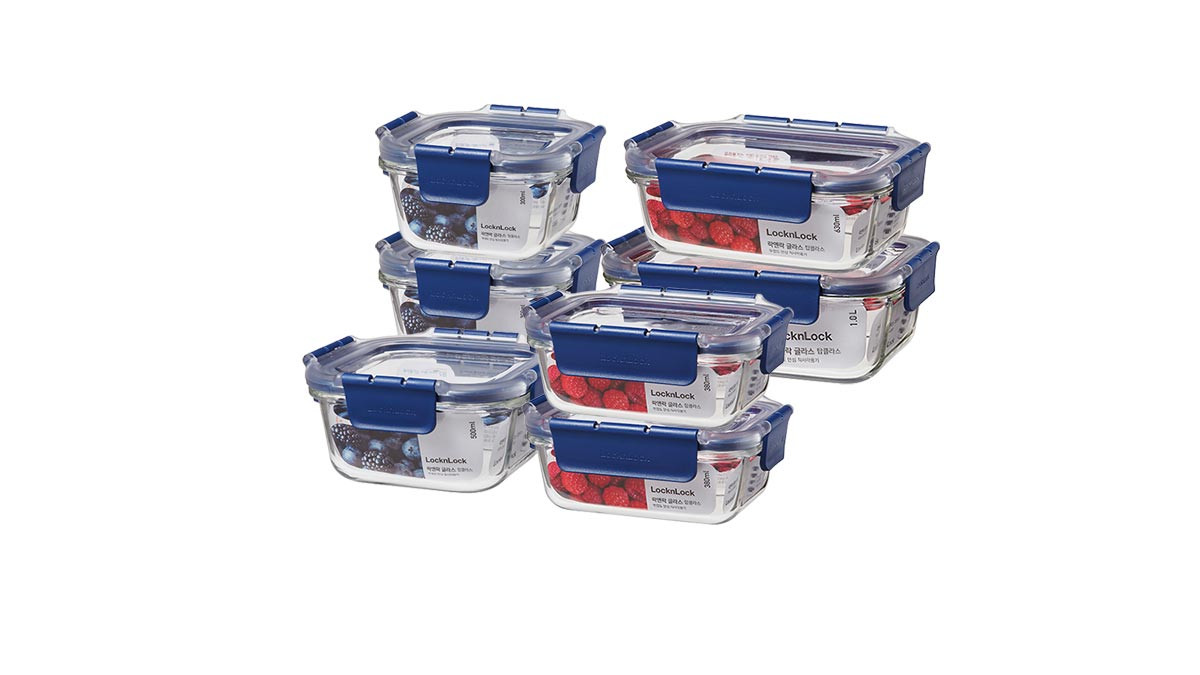
The official source provided for this review features a seven-piece set, but this article evaluates the broader Top Class glass-container line. Capacities and bundles vary by retailer, so buyers should choose according to their cooking habits rather than treating one set as the default option.
Top Class Is More Useful as a System Than as a Container
Most basic containers are designed mainly for refrigerator storage. Top Class attempts to remain useful through more stages of a meal.
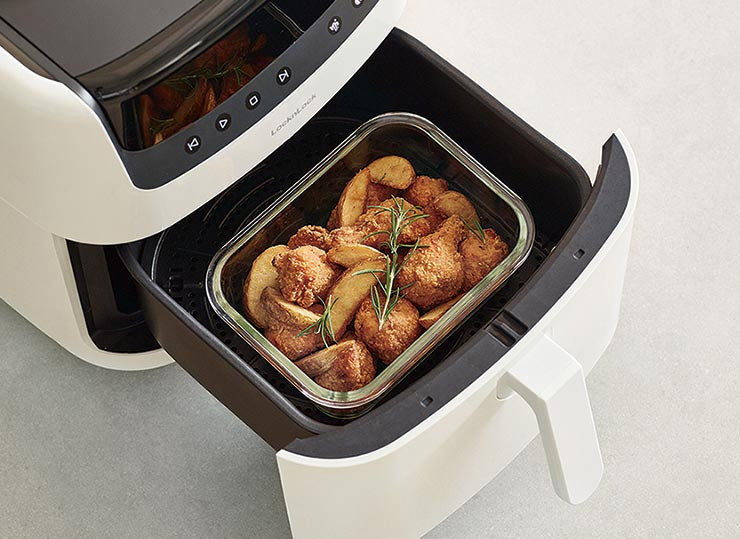
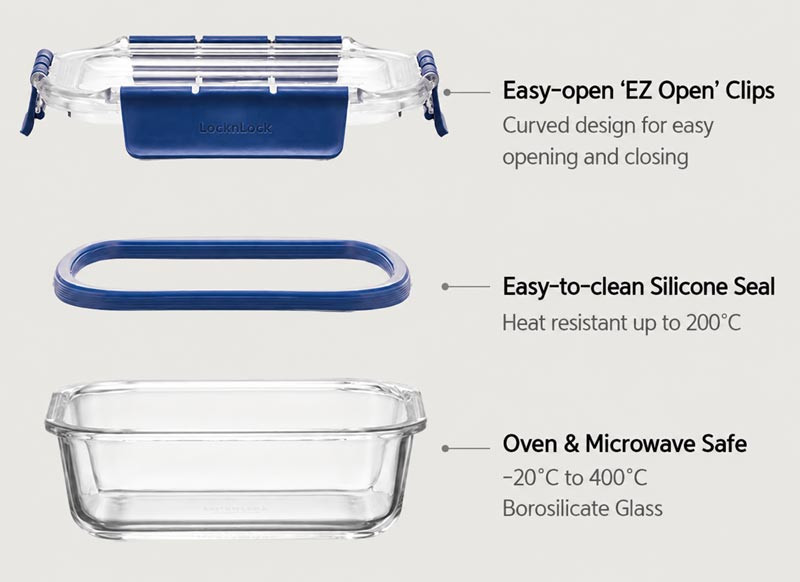
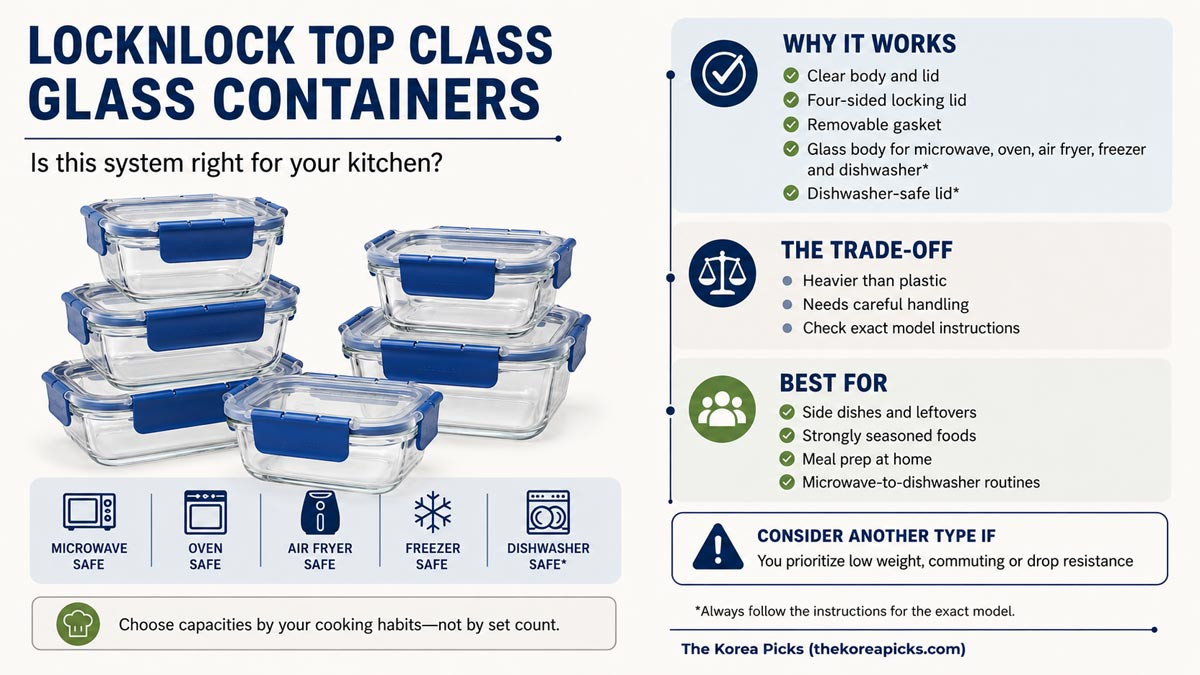
Its core construction combines a heat-resistant glass body, a transparent locking lid, and a removable gasket. According to the product information reviewed, the glass body can be used for refrigeration, freezing, microwave reheating, oven or air-fryer cooking, and dishwasher cleaning when the manufacturer’s directions are followed.
That broad compatibility can reduce unnecessary transfers between containers.
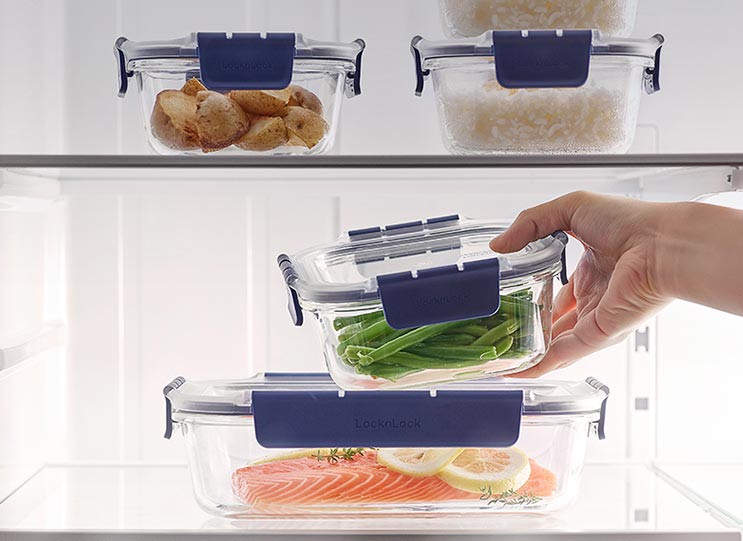
A leftover side dish, for example, can remain visible in the refrigerator and later be reheated in the glass body rather than moved to another microwave-safe bowl. Foods prepared ahead of time can also be stored in portions and reheated as needed.
This sounds like a minor improvement, and on any single day it probably is. The value appears through repetition. If a household stores and reheats food several times a week, removing even one extra dish from each meal can make cleanup noticeably easier.
The strongest case for Top Class is therefore not one spectacular feature. It is the way several practical features work together.
Transparent Lids Address the Forgotten-Food Problem
Visibility was one of the most consistent benefits mentioned in the Korean owner reports.
Both the clear glass and transparent lids help users identify food without removing containers from a stack. That is particularly useful in Korean households, where a refrigerator may contain several small side dishes alongside kimchi, prepared ingredients, soups, and leftovers.
Opaque or stainless-steel containers can be excellent for other reasons, but they make it easier to forget what is inside. A transparent container cannot keep food fresh indefinitely, yet it gives the household a better chance of noticing what should be eaten first.
Owners also liked the cleaner appearance created by coordinated containers. Matching shapes can stack more predictably than a collection built from unrelated brands and sizes.
Still, organization does not come automatically with a large set. A refrigerator filled with unsuitable matching containers can be just as inefficient as one filled with mismatched containers.
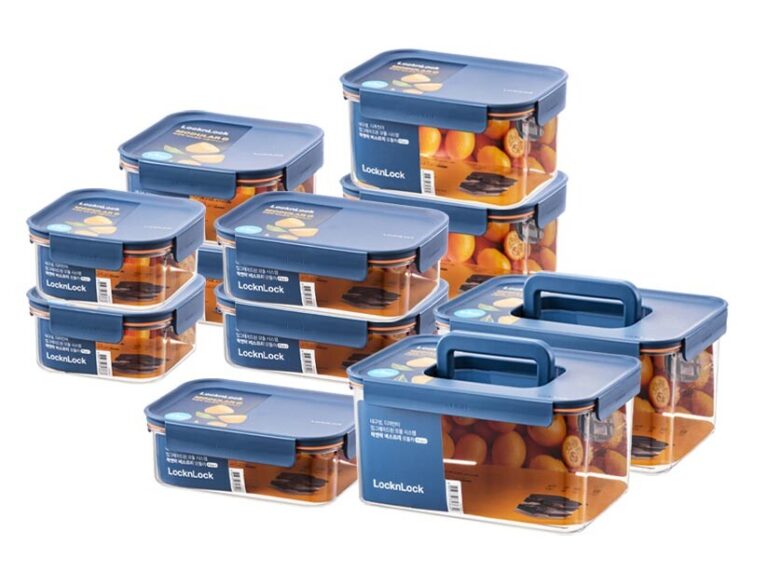
This is where piece count can become misleading. A 13-piece bundle is not necessarily more useful than a seven- or nine-piece set. If you mainly store Korean side dishes or small portions for one or two people, compact and medium containers may be used far more often than large ones. A family that batch-cooks soups and prepared ingredients will need a different combination.
In my editorial judgment, the real organizational benefit comes from repeating a few useful capacities—not from owning the maximum number of containers.

Product images courtesy of LocknLock official website.
The Lid and Gasket May Be the Deciding Features
Heat-resistant glass is not unusual by itself. The lid design is where Top Class becomes more distinctive.
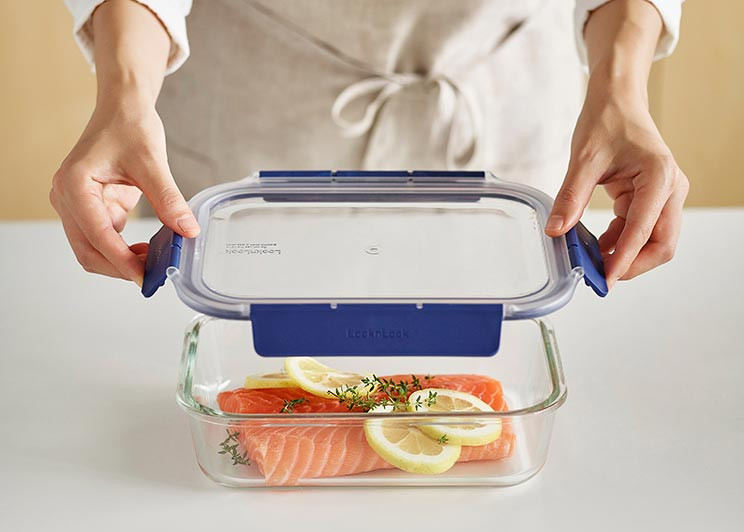
The standard Top Class containers covered in the reviewed materials use four locking clips to secure the lid. Owners also highlighted how the clips fold back when opened, helping keep them away from food while serving or filling the container.
More importantly, the gasket can be removed for cleaning.
Sauce, oil, and moisture often collect in the narrow area around a container seal. If the gasket is difficult to remove, users may postpone detailed cleaning or avoid it altogether. Several Korean owners specifically described the Top Class gasket as relatively easy to separate and reinstall.
The lid’s dishwasher compatibility was another recurring purchase reason. Some owners had compared Top Class with other glass-container brands but chose LocknLock because they wanted to wash both the glass body and lid in the dishwasher.
This does not make maintenance automatic. The gasket still needs to be removed periodically, washed thoroughly, and dried before reassembly. Dishwasher-safe also does not mean oven-safe: heating instructions for the glass body and lid are different and should not be confused.
Buyers outside Korea should check replacement-part availability as well. A glass body may remain usable for years, while a damaged clip, warped lid, or worn gasket can limit the usefulness of the whole container. Confirming whether individual lids or seals can be purchased locally is sensible before building a large collection.
Microwave, Oven, Air Fryer, and Freezer Use: What Matters in Practice
The long compatibility list is attractive, but not every buyer will benefit from every item on it.
Microwave reheating is likely to be the most frequently useful feature. Refrigerated leftovers can be heated in the glass body without transferring them to another dish. The lid should be removed or vented according to the instructions rather than left fully locked during heating.
Oven and air-fryer compatibility may help with baked side dishes, roasted vegetables, or leftovers that benefit from dry heat. However, buyers who rarely cook this way should not let those features determine the purchase. Everyday size, lid maintenance, and weight will matter more.
Freezer compatibility supports meal preparation and portioning, but glass still requires careful handling. Liquids need room to expand, chipped or cracked containers should not be used, and sudden temperature changes should be avoided unless the manufacturer explicitly permits them.
In other words, Top Class can support multiple cooking and storage environments. It does not make heat-resistant glass indestructible.
The exact product listing also matters. The Top Class family is sold in multiple sizes and may include different lid variations. Buyers should verify the supported appliances for the specific model they are ordering instead of assuming that every Top Class listing has identical instructions.
What the Korean Owner Reports Actually Tell Us
The five Korean reports included single-person households, newlywed couples, and buyers replacing older collections. Their purchases ranged across 8-, 9-, 11-, and 13-piece configurations.
Several patterns appeared repeatedly:
- Transparent lids made food easier to identify.
- Coordinated shapes made refrigerator storage feel more orderly.
- Removable gaskets simplified detailed cleaning.
- Dishwasher-compatible lids influenced purchase decisions.
- Small and medium capacities worked well for side dishes.
- Glass became noticeably heavier when filled or stacked.
These repeated observations are more useful than a single reviewer calling the product perfect. Together, they suggest that Top Class is best suited to buyers who place a high value on visibility and cleaning convenience.
The reports also show why one bundle cannot suit everyone. One owner focused on silicone-lid containers for freezer meal preparation, while others preferred locking lids for everyday side dishes. Different uses create different priorities even within the same product family.
There are also limits to this evidence.
Most of the available reports were positive, and several were written relatively early in ownership. They do not establish how every locking clip or gasket performs after years of use. They also do not provide controlled leakage tests or direct comparisons using identical foods and storage conditions.
One owner reported good results after storing a particular ingredient for about a month, but that individual outcome should not be interpreted as a universal freshness guarantee. Food type, preparation, refrigerator temperature, moisture, and handling all affect storage life.
The owner evidence supports practical convenience. It does not prove exceptional preservation performance.
Video source: This official LocknLock product video is embedded to help readers better understand the product’s design, features, and operation.
The Price of Glass Is Weight and Care
Top Class will not be the right choice for every kitchen.
Glass resists visible staining and retained food odors better than many lightweight plastic containers, which is useful for kimchi, curry, tomato sauce, and heavily seasoned foods. It also provides a solid vessel for reheating.
The trade-off is weight.
One empty container may not feel particularly demanding, but several filled containers can become cumbersome. This matters when moving a full stack, washing dishes in a hard sink, carrying lunch to work, or handling food with limited grip strength.
Glass also needs protection from hard impacts and drops. Heat resistance should not be confused with impact resistance. A container with a chipped rim or crack should be taken out of use rather than treated as merely scratched.
Top Class is therefore less attractive for children’s lunch bags, long commutes, lightweight camping, or households where containers are frequently dropped. A Tritan or other lightweight system will usually be more practical in those situations.
For that alternative, see the LocknLock Bisfree Modular Plus review.
Buyers committed to glass can also compare Top Class with the Glasslock Classic White Edition 10-Piece Set. The better choice may depend less on the glass itself than on lid design, replacement-part availability, preferred capacities, and local pricing.
Product images courtesy of LocknLock official website.
Choose Capacities Before Choosing a Set
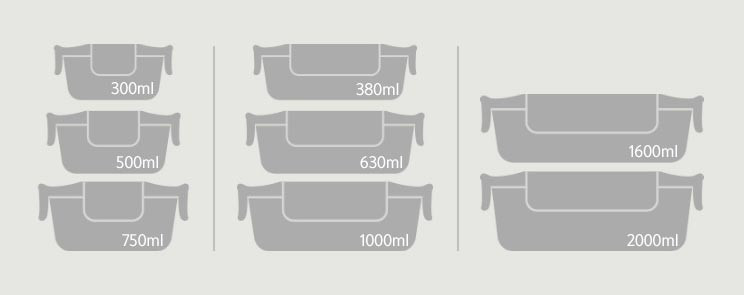
Top Class is available in individual containers and mixed bundles, while set composition varies across retailers and countries. For that reason, I would not treat the official seven-piece configuration—or any other bundle—as the universal recommendation.
Begin by looking at what already happens in your kitchen.
Which current containers are always in use? What foods are stored at least twice a week? Which sizes stay empty because they are too small, too large, or awkwardly shaped?
Small containers are useful for condiments, chopped ingredients, fruit portions, and Korean side dishes. Medium containers tend to be more flexible for leftovers, marinated ingredients, and individual meal portions. Larger capacities make more sense for kimchi, soup, bulk preparation, or ingredients that occupy substantial space.
Buyers should also confirm how a retailer counts “pieces.” Some listings may count complete containers, while others may describe bodies and lids separately. Check the exact number of usable containers and their capacities before comparing value.
A large discounted bundle is a poor bargain if several sizes remain unused. For a first Top Class purchase, a balanced starter set or a small selection of frequently used capacities may be safer. Additional pieces can be added after the household learns what fits its refrigerator and cooking routine.
LocknLock Top Class Glass Container Review: Should You Buy It?
Buy it if you regularly store strongly seasoned foods, reheat leftovers, use a dishwasher, and want to identify refrigerator contents without opening every lid. It is particularly well suited to couples, families, and meal-prep households that use multiple food containers every day.
Consider starting small if you like the benefits of glass but do not yet know which capacities you need. The system becomes valuable when the same useful sizes are reused—not when a cabinet is filled with rarely touched containers.
Compare other glass options if replacement lids, local availability, or a different sealing design matters more than Top Class’s transparent lid and removable gasket.
Skip it for a lightweight system if you primarily carry food outside the home, have limited hand strength, or need containers that can tolerate frequent drops.
My final assessment is that LocknLock Top Class offers a well-balanced solution for refrigerator-based food routines. Its value comes from visibility, appliance flexibility, manageable gasket cleaning, and coordinated storage rather than from a single performance claim.
If your containers usually travel between the refrigerator, microwave, table, and dishwasher, accepting the extra weight can be worthwhile.
If they spend more time in backpacks and lunch bags, glass is probably solving the wrong problem.
How I Researched This Review
This is a research-based review, not a hands-on test. I compared the official LocknLock Top Class product listing with five Korean owner reports describing different set configurations, household sizes, and storage habits.
Official information was used for construction and stated compatibility. Repeated owner observations informed the discussion of visibility, cleaning, organization, and weight. Individual freshness or durability claims were not generalized when the available evidence was insufficient.
Frequently Asked Questions
Can LocknLock Top Class containers go in the microwave?
The heat-resistant glass body is listed for microwave use. Remove or vent the lid as directed rather than heating a fully sealed container. Always follow the instructions for the exact model.
Can the Top Class lids go in the dishwasher?
The Top Class lids described in the official and Korean materials reviewed are dishwasher-compatible. Because variations may exist within the wider line, confirm this on the specific listing before purchasing.
Are Top Class containers suitable for kimchi?
Glass, transparent construction, and a removable gasket make them a practical choice for kimchi and strongly seasoned side dishes. The lid and gasket still require thorough cleaning, and no container should be treated as permanently odor-proof.
Is the largest set the best value?
Not necessarily. A smaller bundle containing capacities you use every week can provide better value than a large set with several unsuitable pieces. Compare the actual sizes and number of complete containers—not only the advertised piece count.
DID YOU KNOW? Korea
Korean home meals often include several banchan, or side dishes, served with rice. Because these dishes may return to the refrigerator after each meal, small transparent containers can become part of the daily serving routine rather than merely a way to store leftovers.
That is why Korean buyers often discuss visible contents, stackability, and lid cleaning alongside sealing performance. Refrigerator organization directly affects how easily the next meal comes together.
K-papa’s Quick Korean Lesson!
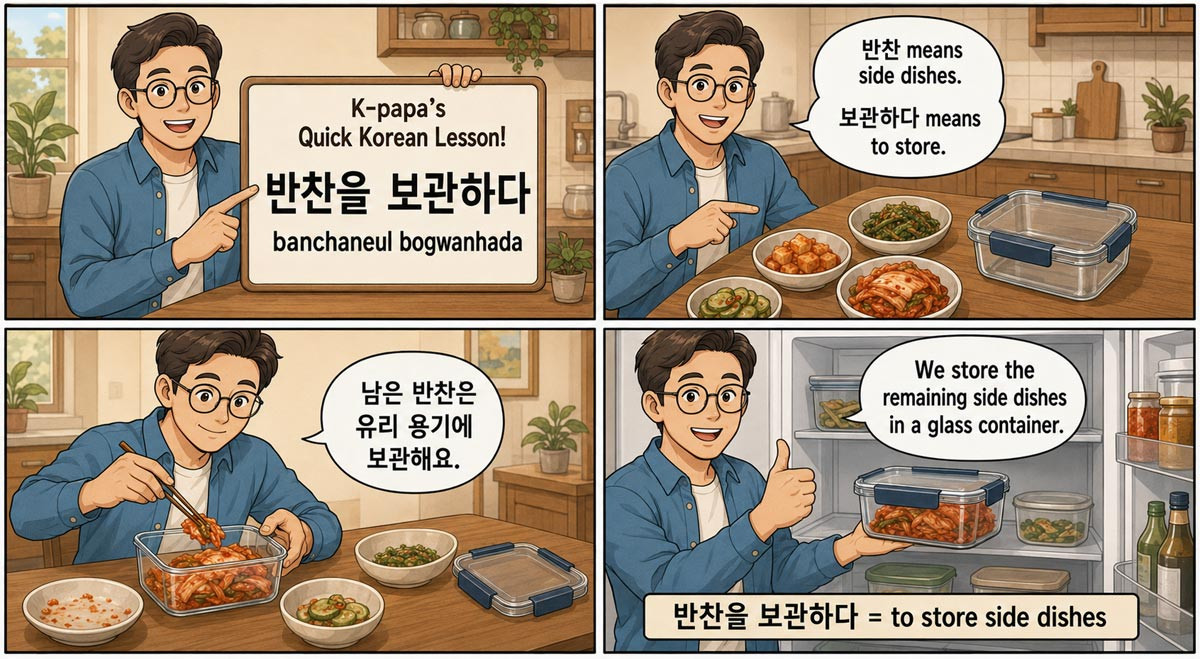
Korean phrase: 반찬을 보관하다
Romanization: Banchaneul bogwanhada
Pronunciation: bahn-chahn-eul boh-gwahn-ha-da
Meaning: To store side dishes
Example: 남은 반찬은 유리 용기에 보관해요.
We store the remaining side dishes in a glass container.
About the Author
K-papa is a creator living in South Korea who examines Korean products and everyday culture for international readers. His reviews separate verified specifications, recurring user experiences, and editorial judgment so readers can make a practical buying decision. Learn more about K-papa and The Korea Picks.