Chung Jung One Sunchang Gochujang Review: How Is It Used in Korean Homes?
One of my favorite foods in my twenties was jeyuk bokkeum, or spicy Korean stir-fried pork. I loved the combination of pork, vegetables, and gochujang-based sauce so much that I remember eating it as often as five times a week.
Even now, if I had to choose just one gochujang dish, I would probably choose jeyuk bokkeum first. I still enjoy the way the spicy and slightly sweet gochujang sauce pairs with pork.
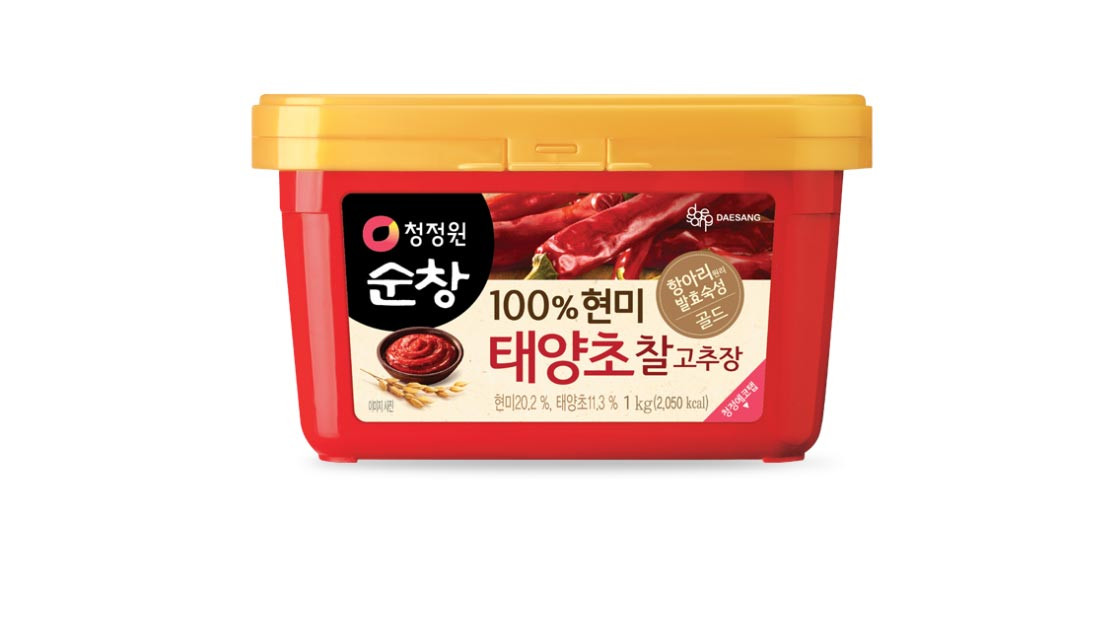
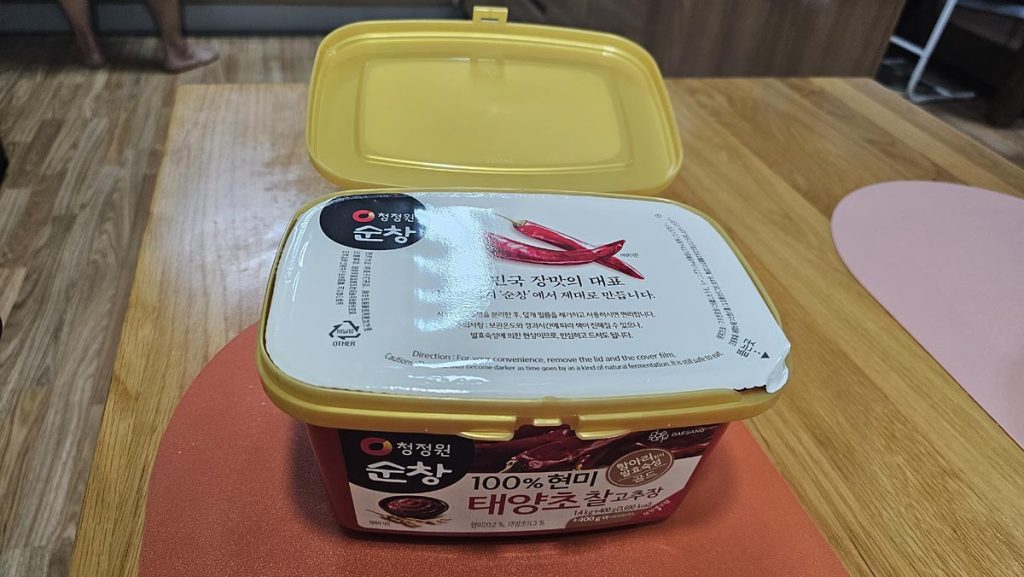
One of the gochujang products we use at home is Chung Jung One Sunchang 100% Brown Rice Taeyangcho Gochujang. Instead of simply listing the claims printed on the package, I want to share how it tastes to me and how a product like this is commonly used in a Korean home.

Chung Jung One Sunchang Gochujang Review: Taste and Texture
The words “Sunchang,” “taeyangcho,” and “gochujang” in the product name may be unfamiliar to overseas consumers.
Sunchang is a region in Korea known for traditional fermented pastes, including gochujang. Taeyangcho refers to chili peppers that have been dried in the sun. Unlike a typical liquid chili sauce, this product has a thick consistency that does not easily run off a spoon.
However, you should not assume how a product is made or what it contains based only on its name. The safest approach is to check the ingredient list, allergen information, and nutrition facts printed on the back of the actual package.

The product I used comes in a red plastic container with a seal under the lid. Since gochujang is not usually used in large quantities at one time, people who do not cook with it frequently do not necessarily need to buy a large container just because it offers a lower price per gram.
How It Tastes and Feels to Me
This gochujang is thick enough to hold its shape when scooped with a spoon. Rather than delivering only an intense spicy flavor, it has the familiar combination of sweetness, saltiness, and heat that I associate with Korean gochujang.
Gochujang can sometimes be eaten as it is, like a finished chili sauce, but it is often mixed with other seasonings in Korean cooking. Adding ingredients such as vinegar, garlic, sesame oil, soy sauce, sugar, or corn syrup can create very different flavors depending on the dish.
The levels of sweetness and saltiness can also vary between gochujang products. This means that following someone else’s recipe exactly may not always produce the same result. In dishes that contain sugar or syrup, it is a good idea to taste the gochujang first and adjust the sweetness accordingly.

The Spicy Whelk Salad I Made With This Gochujang
The dish in the photo is a gochujang whelk salad that I made myself last weekend. I prepared boiled whelk and several vegetables, then made a sweet-and-sour sauce by mixing Chung Jung One Sunchang Taeyangcho Gochujang with vinegar, garlic, and corn syrup.
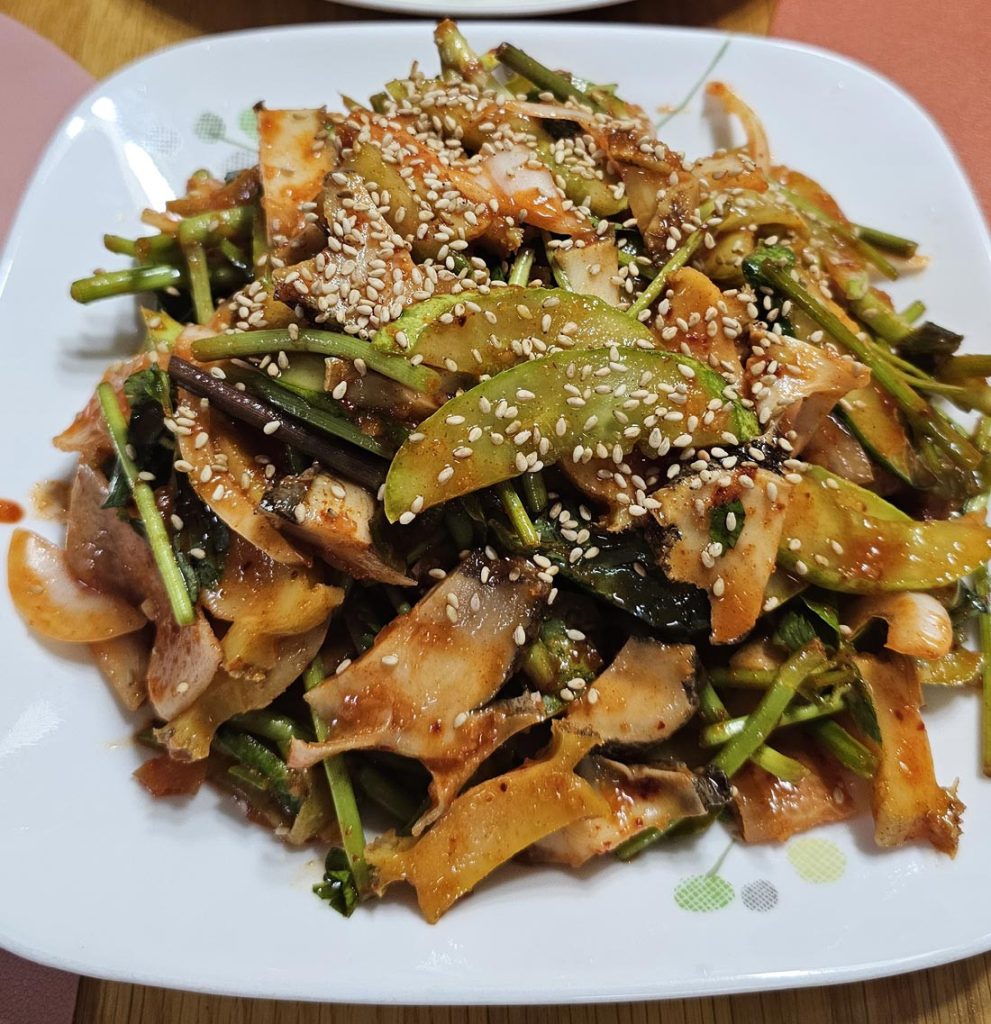
In this salad, gochujang does more than make the dish spicy. It balances the sharp acidity of the vinegar and gives the sauce enough body to coat the whelk and vegetables.
Adding too much gochujang at the beginning can overpower the flavors of the whelk and vegetables. For a dish serving three to four people, I used about two tablespoons of gochujang. I usually mix the gochujang, vinegar, garlic, and corn syrup first, taste the sauce, and then adjust anything that seems lacking.
My wife particularly prefers a more tangy flavor with extra vinegar rather than a sauce containing too much gochujang, so I pay close attention to the amount of gochujang I use.
The finished salad combines the acidity of vinegar, the spiciness of gochujang, and the sweetness of corn syrup. The crunchy vegetables and chewy whelk add contrasting textures. For me, it is an especially enjoyable dish during the hot summer when I do not have much of an appetite.
How Is Gochujang Used in Korean Homes?
Many people overseas first encounter gochujang as the spicy sauce added to bibimbap. In Korean homes, however, the possible uses for gochujang are nearly endless. It is one of the basic seasonings used in many dishes, including stir-fries, seasoned salads, and stews.
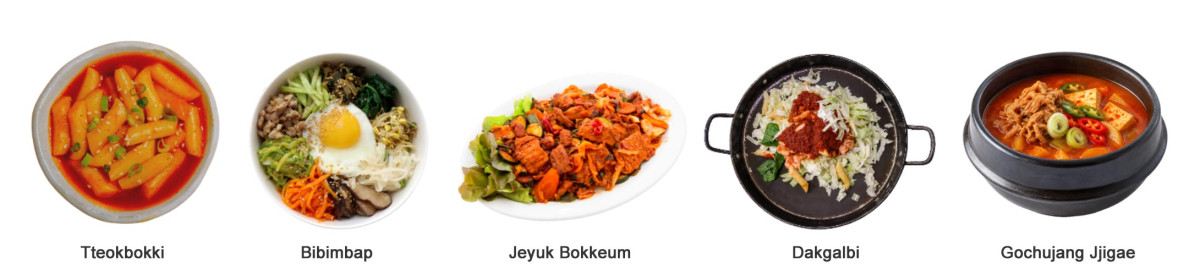
Some representative gochujang dishes include:
- Tteokbokki: Gochujang is combined with sweeteners and other seasonings to make a spicy-sweet sauce.
- Bibimbap: A small amount is mixed with rice and vegetables to add seasoning and heat.
- Jeyuk bokkeum: Pork and vegetables are stir-fried in a gochujang-based sauce.
- Dakgalbi: Chicken and vegetables such as cabbage are stir-fried together in a spicy sauce.
- Gochujang jjigae: Gochujang is dissolved in broth and simmered with ingredients such as meat, potatoes, and zucchini.
Using the same gochujang does not make all these dishes taste alike. The result changes depending on the ingredients and seasonings added, as well as whether the dish is stir-fried, simmered, or mixed without cooking. Gochujang is therefore closer to a foundational ingredient used to build the flavors of many Korean dishes than to a single finished sauce.
How Gochujang at Our Family Table Changed as My Children Grew Up
When my children were young, they could not handle spicy gochujang very well. Whenever I cooked a gochujang dish, I had to reduce the amount of seasoning in their portions or prepare their food separately.
Now that they are nearly adults, they enjoy gochujang dishes just as adults do. Seeing them share foods they once avoided because they were too spicy feels new to me and reminds me how much time has passed.
Not everyone raised in Korea is automatically good at eating spicy food. Even within the same family, people prefer different levels of heat, and their tastes may change as they grow older. Overseas cooks trying gochujang for the first time should also begin with a small amount and adjust it to suit their own preferences.
What Gochujang Means to Koreans
Gochujang is a common ingredient in Korean refrigerators. It is used not only in internationally familiar dishes such as bibimbap and tteokbokki, but also in stir-fries, seasoned salads, stews, and sauces served with lettuce wraps.
To me, gochujang is more than an ingredient that makes food spicy. It is connected to the jeyuk bokkeum I frequently ate in my twenties, the meals I made milder for my young children, and the gochujang dishes that my entire family can now enjoy together.
Every household uses different products and its preferred type and flavor of gochujang may also vary. Even when families use the same product, their food can taste different depending on how much vinegar, garlic, sugar, or syrup they add.
Gochujang is a traditional Korean fermented seasoning, but it does not belong only to the past. Today, very few households make their own gochujang. Most people buy commercially produced products, yet gochujang remains an essential ingredient on Korean tables. It continues to be used in everyday home cooking, connecting personal memories with each family’s preferred flavors. That is why I believe gochujang has a special meaning for Koreans.
What First-Time Gochujang Users Should Know
If you are using gochujang for the first time, start with a small amount. Because it contains saltiness and sweetness as well as heat, adding too much can make the overall flavor difficult to correct with other seasonings.
It is also better not to think of gochujang only as a ready-to-use dipping sauce. You can add it directly to bibimbap, but for stir-fries and seasoned salads, it is usually mixed with other ingredients to create the desired flavor and consistency.
Ingredients vary among gochujang products. If you have dietary restrictions or food allergies, check the ingredient list and allergen information printed on the package. When purchasing it overseas, look beyond the English product name and check the exact size, expiration or best-before date, seller, and shipping conditions.
After opening the container, use a clean spoon free from water and food residue, and follow the storage instructions printed on the package.
Who Might Like This Product—and Who Should Be Careful?
This product may suit people who want to make a range of Korean dishes at home, including bibimbap, tteokbokki, stir-fries, seasoned salads, and stews. It is also versatile for cooks who want to mix gochujang with other seasonings and adjust the flavor to their preferences.
People who are highly sensitive to spicy foods or need to manage their sodium or sugar intake should check the nutrition information and control the amount they use. If you do not cook with gochujang often, starting with a smaller container may also be more practical than buying a large one.
My Final Verdict
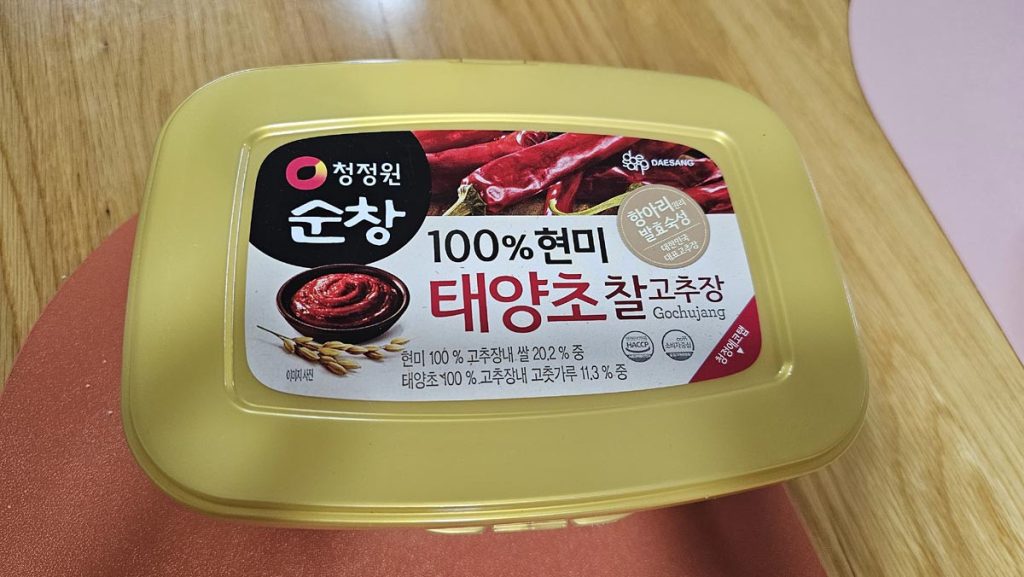
I consider Chung Jung One Sunchang Taeyangcho Gochujang a familiar and versatile gochujang that can be used not only for stir-fries such as jeyuk bokkeum, but also for bibimbap, seasoned salads, and stews.
To me, this product tastes less salty than some traditionally made gochujang I have tried, and I also like its bright red color.
In the whelk salad I made, its thick consistency gave the sauce more body and made it easier to coat the whelk and vegetables. However, I would not claim that it is the best gochujang for everyone. The ideal balance of sweetness and heat depends on individual preferences.
For me, this gochujang connects the jeyuk bokkeum I loved in my twenties with the foods I now share with my family. If you are trying gochujang for the first time outside Korea, I recommend beginning with a small container. Use a little in bibimbap or a simple seasoned salad, then gradually find the amount that suits your taste.