What Is a Kimchi Refrigerator and Why Do Koreans Love It?
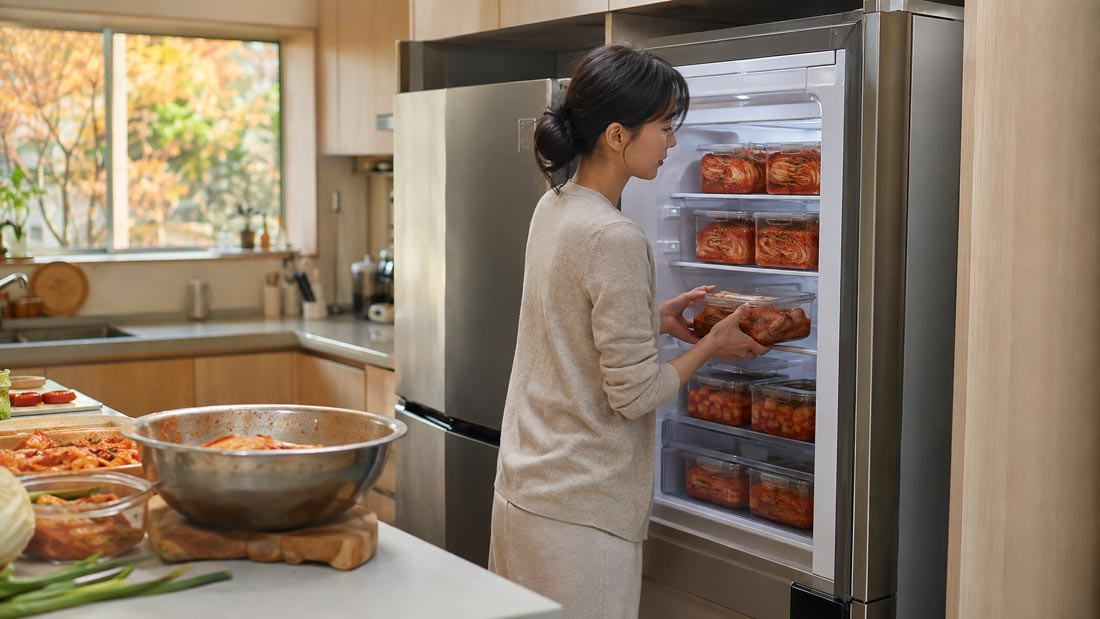
If you open the kitchen of a Korean home, you may find something that surprises first-time visitors: two refrigerators.
One looks completely ordinary. The other may be a tall cabinet with several compartments, or an older chest-style appliance with lids that open from the top. And when you ask what the second refrigerator is for, the answer can sound almost too specific.
“That one is for kimchi.”
Yes, Korea has a refrigerator designed around one food.
But that description is also a little unfair. A kimchi refrigerator is not simply extra cold storage with a culturally specific name. It grew out of a real problem: kimchi is alive with fermentation, and its flavor keeps changing even after it has been made. Temperature matters. Time matters. The way it is stored matters.
I’m K-papa, a creator living in South Korea, and I think this is one of those Korean household ideas that sounds excessive for about thirty seconds. Then you understand the problem it solves, and suddenly it feels perfectly logical.
This article is not a buying guide and it is not a list of unusual Korean kitchen gadgets. Instead, let’s look at why this appliance exists at all, how it differs from a regular refrigerator, and what its popularity tells us about everyday life in Korea.
So, What Is a Kimchi Refrigerator?
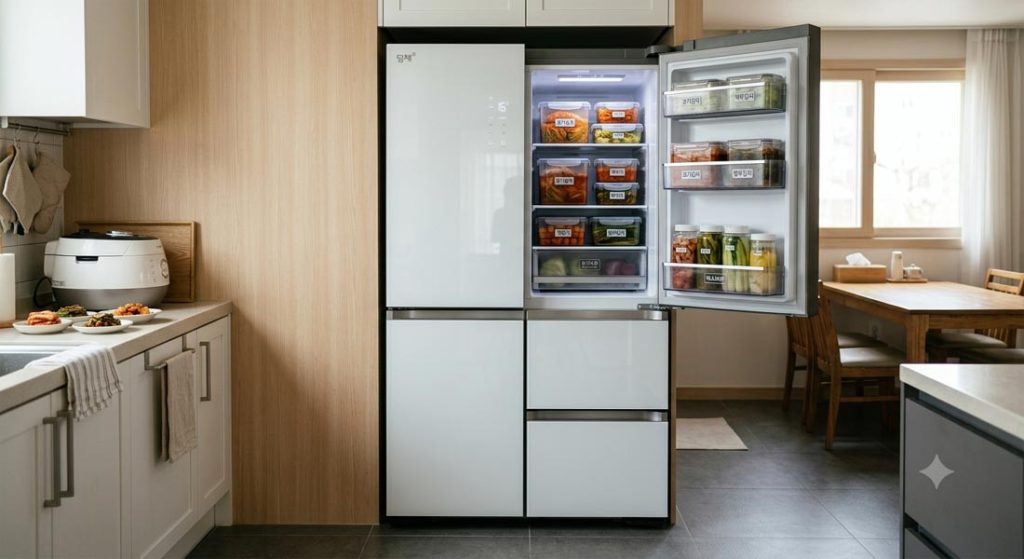
A kimchi refrigerator is a household appliance designed to store kimchi under tightly controlled conditions and, depending on the model, help manage its ripening process.
The short answer is simple: a regular refrigerator is designed to store many different foods, while a kimchi refrigerator is designed around the behavior of fermented food.
Kimchi does not become “finished” the moment it goes into a container. Fermentation continues. Fresh kimchi can gradually become tangier, softer, and more deeply fermented. Some people love that change. Others want to slow it down and keep a fresher flavor for longer.
That is where precise temperature management becomes important.
Modern kimchi refrigerators vary by brand and model, but many offer separate compartments and dedicated storage or ripening settings. Dimchae, the brand widely associated with popularizing the modern appliance, currently describes models with multiple fermentation modes and independently controlled cooling compartments.
That sounds technical. In a Korean kitchen, the idea is much more emotional: I want this batch to taste good next week, next month, and hopefully much later too.
Why Isn’t a Regular Refrigerator Good Enough?
This is usually the first question foreigners ask, and it is a fair one.
Of course you can store kimchi in a normal refrigerator. Koreans do that too. Nobody needs a special machine just to keep a small container of kimchi cold.
The difference becomes more meaningful when you store a lot of it or want to control how quickly it changes.
A family may have more than one kind of kimchi at home. Napa cabbage kimchi is the obvious example, but there may also be radish kimchi, young radish kimchi, water kimchi, or a seasonal batch from relatives. They do not all behave exactly the same way, and they are not necessarily eaten at the same speed.
Then there is the main refrigerator itself.
Kimchi containers take up space. Big ones take up a lot of space. Anyone who has tried fitting a large rectangular kimchi container next to milk, fruit, leftovers, sauces, eggs, and side dishes knows how quickly refrigerator geometry becomes a strange domestic puzzle.
A dedicated refrigerator solves two problems at once. It creates a more controlled place for kimchi, and it gives the everyday refrigerator some breathing room.
That second benefit is less glamorous than fermentation science, but honestly, it may be one of the reasons the appliance makes so much sense in real life.
The Kimchi Refrigerator Is Really a Modern Jangdokdae
The most interesting part of this story begins before refrigerators existed.
Traditionally, Korean families stored kimchi in earthenware jars, or onggi. During the cold season, jars could be kept in conditions that helped protect the kimchi from dramatic temperature changes. The traditional outdoor area where jars were kept is known as a jangdokdae.
Then Korean life changed rapidly.
Detached houses gave way to apartment living for millions of people. A modern apartment is convenient in many ways, but it is not exactly designed for burying fermentation jars in the ground.
According to a 2021 article from the Korean Culture and Information Service, the modern kimchi refrigerator emerged in 1995 as manufacturers tried to reproduce the stable storage conditions traditionally associated with buried kimchi jars. The article describes the appliance as a kind of “digital jangdokdae” – a modern technological answer to an old food-storage problem.
That is the part I find fascinating.
The kimchi refrigerator looks like a story about electronics, but underneath it is really a story about urbanization. Korean families moved into a new style of home, but they did not stop eating fermented food. Technology had to catch up with culture.
And it did.
Why Do Koreans Love Kimchi Refrigerators?
There is no single reason. The appeal is a combination of taste, convenience, space, and habit.
1. Kimchi can be kept closer to the flavor a family prefers
Ask several Koreans when kimchi tastes best and you may not get the same answer.
Some people love it very fresh, when the cabbage still has a crisp bite and the seasoning tastes bright. Others want a sharper, more fermented flavor. And some dishes actually benefit from older, sourer kimchi. Kimchi jjigae is the obvious example.
So the goal is not always to stop fermentation. Often, it is to manage it.
Dedicated modes and more controlled storage give households more influence over that process. It is a small form of control over something naturally changeable.
2. It makes large quantities less stressful
Kimchi is often stored in substantial containers, especially after gimjang, the traditional practice of preparing kimchi for the colder months.
Even though modern families may buy kimchi more often or make smaller batches than previous generations did, the habit of keeping a meaningful amount at home has not disappeared.
When several containers begin competing with the rest of the groceries, a second refrigerator stops feeling ridiculous.
It starts feeling like storage planning.
3. The main refrigerator becomes easier to live with
This benefit deserves its own point because it is wonderfully ordinary.
Move the large kimchi containers somewhere else and suddenly the main refrigerator has room for everything else. Fruit no longer has to perform a balancing act on top of leftovers. Drinks fit where drinks are supposed to fit. You can actually see the food hiding in the back.
Not every piece of Korean culture needs a grand explanation. Sometimes people love an appliance because Tuesday night becomes slightly less annoying.
4. It has grown beyond kimchi
Modern kimchi refrigerators are not necessarily used only for kimchi. Depending on the model and its settings, households may use available compartments for vegetables, meat, drinks, or other foods that benefit from dedicated storage conditions.
This matters because it changes the value calculation. An appliance that once sounded like a single-purpose machine can become flexible secondary cold storage.
That does not mean every food should be stored in every mode, of course. The manufacturer’s instructions still matter. But the appliance has evolved along with Korean eating habits.
The Two Main Shapes Tell Their Own Story
If you search for a kimchi refrigerator in Korea, you will notice two very different silhouettes.
Older and more traditional models often use a lid-type design. They sit lower, like a chest freezer, and open from the top. This arrangement reflects the early idea of storing kimchi containers in deep, separate spaces.
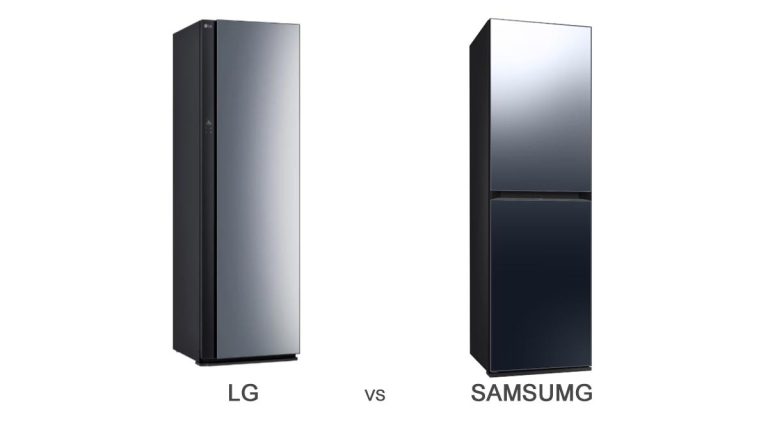
Then there are standing models, which look much closer to a conventional upright refrigerator. Doors and drawers make everyday access easier, especially when the appliance is being used for more than one type of food.
Neither design tells you which model is “best.” That depends on space, capacity, ergonomics, and how the household plans to use it.
But visually, the evolution is revealing. The appliance started by imitating an old method of kimchi storage and gradually became integrated into the modern kitchen.
That is design following lifestyle in real time.
K-papa’s Take: The Strange Part Is How Normal It Feels
From outside Korea, a refrigerator for kimchi can sound like peak specialization.
From inside Korea, it barely feels strange.
That contrast is what I enjoy about this topic. We often think “culture” means palaces, traditional clothes, festivals, or famous foods. But culture also hides inside appliance choices. It sits quietly in the corner of a kitchen and hums.
For me, the kimchi refrigerator says something simple about Korean life: people were willing to redesign a major household appliance around the way they actually eat.
I also do not think every household needs the biggest model just because larger appliances are tempting. Space, how much kimchi you keep, and whether you will use the extra compartments for other foods matter more than having the most impressive refrigerator in the kitchen.
That practical side is easy to forget. A cultural icon still has to fit through the door.
Does Every Korean Household Really Need One?
No.
That may sound surprising after everything above, but it is important not to turn a common Korean appliance into a stereotype.
A person living alone in a small studio, someone who buys kimchi in small packages, or a household that rarely cooks at home may be perfectly happy using a normal refrigerator. Younger households can also have very different food habits from their parents.
The more useful question is not “Are you Korean?”
It is: “How much fermented food do you keep, how long do you keep it, and how valuable is separate cold storage in your home?”
That is a much better way to understand why the appliance is loved without pretending every Korean kitchen works the same way.
Would a Kimchi Refrigerator Make Sense Outside Korea?
Possibly – but not automatically.
If you make kimchi frequently, ferment other foods, buy Korean side dishes in quantity, or simply need carefully controlled secondary refrigeration, the concept can be attractive. Dimchae, for example, currently markets kimchi refrigerators in the United States and promotes their use for both fermentation and other foods.
But for someone who buys one small jar of kimchi every few weeks, buying an entire appliance would be hard to justify.
There are also practical questions: kitchen space, electrical requirements, warranty coverage, service availability, and the cost of an imported or specialty appliance.
So no, loving kimchi does not automatically mean you need a kimchi refrigerator.
Sometimes the best cultural understanding is knowing why an object makes sense in its original environment – without immediately putting it in your shopping cart.
Kimchi Refrigerator FAQ
Is a kimchi refrigerator colder than a normal refrigerator?
It is better to think of it as differently optimized, rather than simply “colder.” Kimchi refrigerators are designed to manage the storage and ripening of fermented foods with tighter control, while a conventional refrigerator must safely accommodate many categories of everyday food.
Can you put other food in a kimchi refrigerator?
Many modern models provide compartments or modes that can be used for foods beyond kimchi, but the exact options depend on the appliance. Always follow the manufacturer’s storage guidance for the specific model.
Does a kimchi refrigerator make kimchi?
It does not replace the preparation process. You still need properly prepared kimchi. Depending on the model, however, dedicated ripening or fermentation modes can help manage how the kimchi develops after it is placed inside.
Why not just freeze kimchi?
Freezing is not the same as controlled refrigerated fermentation and can change texture. A kimchi refrigerator is intended to manage cold storage while preserving the qualities people expect from refrigerated kimchi.
Are kimchi refrigerators only used in Korea?
No. Specialty kimchi refrigerators are sold in overseas markets as well, particularly where there are Korean communities or consumers interested in fermented foods. Availability and service support vary by country.
A Small Appliance With a Surprisingly Big Story
A kimchi refrigerator makes sense once you stop thinking of it as a refrigerator “for one food.”
It is really a bridge between two versions of Korea.
On one side is an older food culture built around fermentation, seasonal preparation, earthenware jars, and carefully managed storage. On the other is modern apartment life, where convenience, limited space, and electrical appliances shape the kitchen.
The kimchi refrigerator connects them.
That may be why I like it as a subject so much. It is not flashy. Tourists rarely come to Korea excited to photograph one. Yet it explains daily Korean life in a way a famous landmark sometimes cannot.
If you ever visit a Korean home and notice that mysterious second refrigerator, you now know the real question is not, “Why would anyone need two fridges?”
The better question is, “What are they keeping in there – and how fermented do they like it?”
Sources and Further Reading
- Korean Culture and Information Service – A Uniquely Korean Appliance
- Dimchae USA – The Original Kimchi Refrigerator
About the Author
K-papa is a creator living in South Korea who writes about Korean products, kitchens, and everyday culture for international readers. His goal is to explain not only what Koreans use, but why those objects make sense in the rhythm of daily life.